
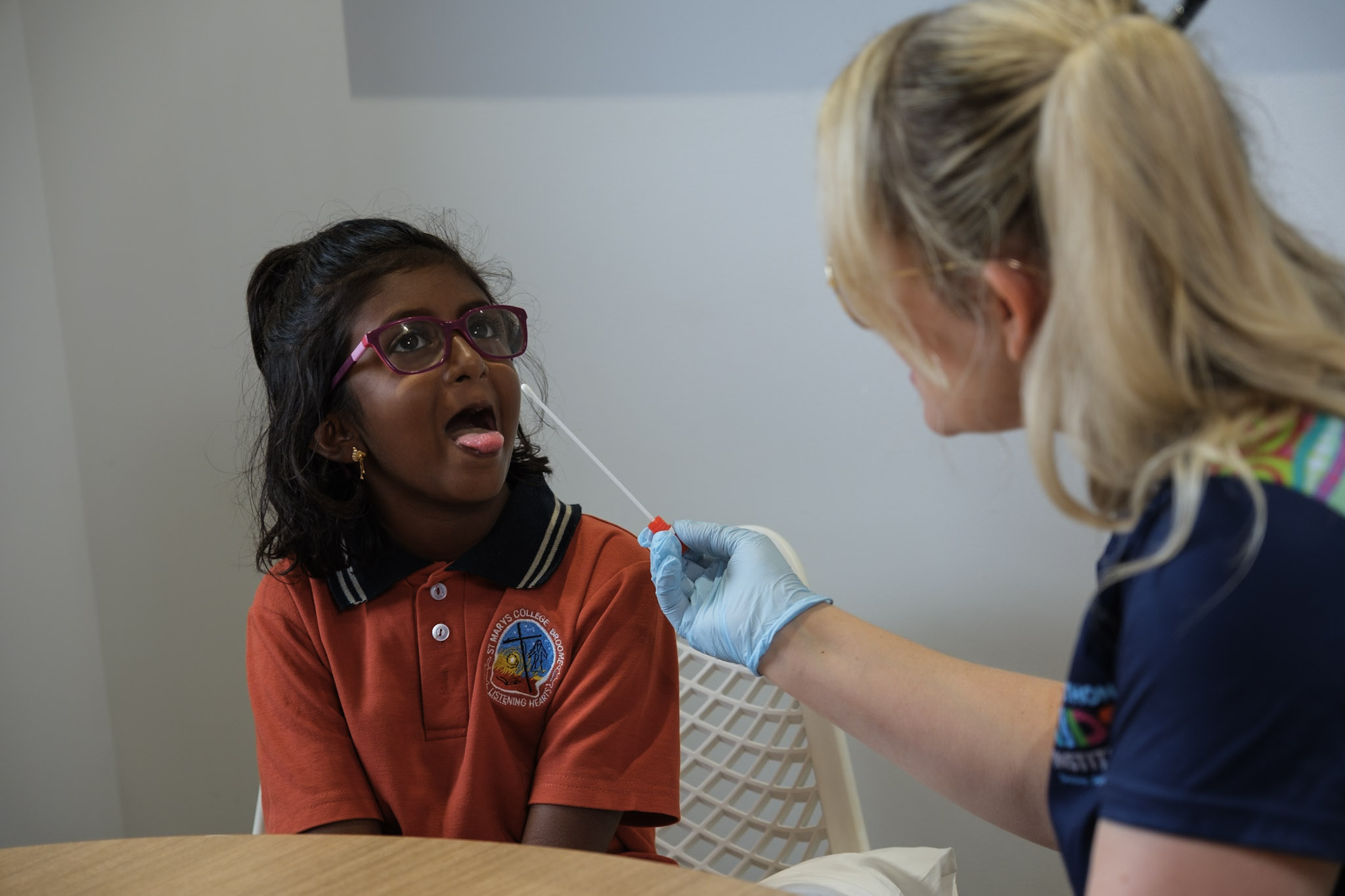
An alarming number of Strep A infections are going unnoticed throughout classrooms in Broome and Derby according to a major study by The Kids Research Institute Australia aiming to reduce the burden of acute rheumatic fever (ARF) and rheumatic heart disease (RHD).
Published today in PLOS Global Health, the Missing Piece Surveillance Study found that one in six kids living in Western Australia’s Kimberley region had Strep A detected at any one time in the throat or skin and, in more than half of cases, there were no noticeable symptoms.
Recurrent, untreated Strep A infections of the throat or skin can lead to ARF and RHD – life-threatening illnesses that disproportionately affect young Aboriginal and Torres Strait Islander people living in remote areas of Australia and can lead to a reduced life expectancy of around 40 years.
Professor Asha Bowen, Head of the Healthy Skin and ARF Prevention at the Wesfarmers Centre of Vaccines and Infectious Diseases, based at The Kids, Paediatric Infectious Disease Specialist at Perth Children’s Hospital and Professor at The University of Western Australia’s Medical School, said the study set out to learn more about the missing pieces in the prevention of ARF.
“We wanted to know whether it was skin sores or sore throats, or both, that were resulting in ARF, and we were also interested in finding out what symptoms kids were experiencing, what types of Strep A were causing infections, and what the antibody responses were to the infections,” Professor Bowen said.
Working in partnership with the Catholic Education Office of Western Australia, Broome Aboriginal Medical Service and Derby Aboriginal Health Service, we conducted weekly visits with 250 kids from St Mary’s Primary School in Broome and Holy Rosary School in Derby over a three-year period to check for sore throats or skin sores.
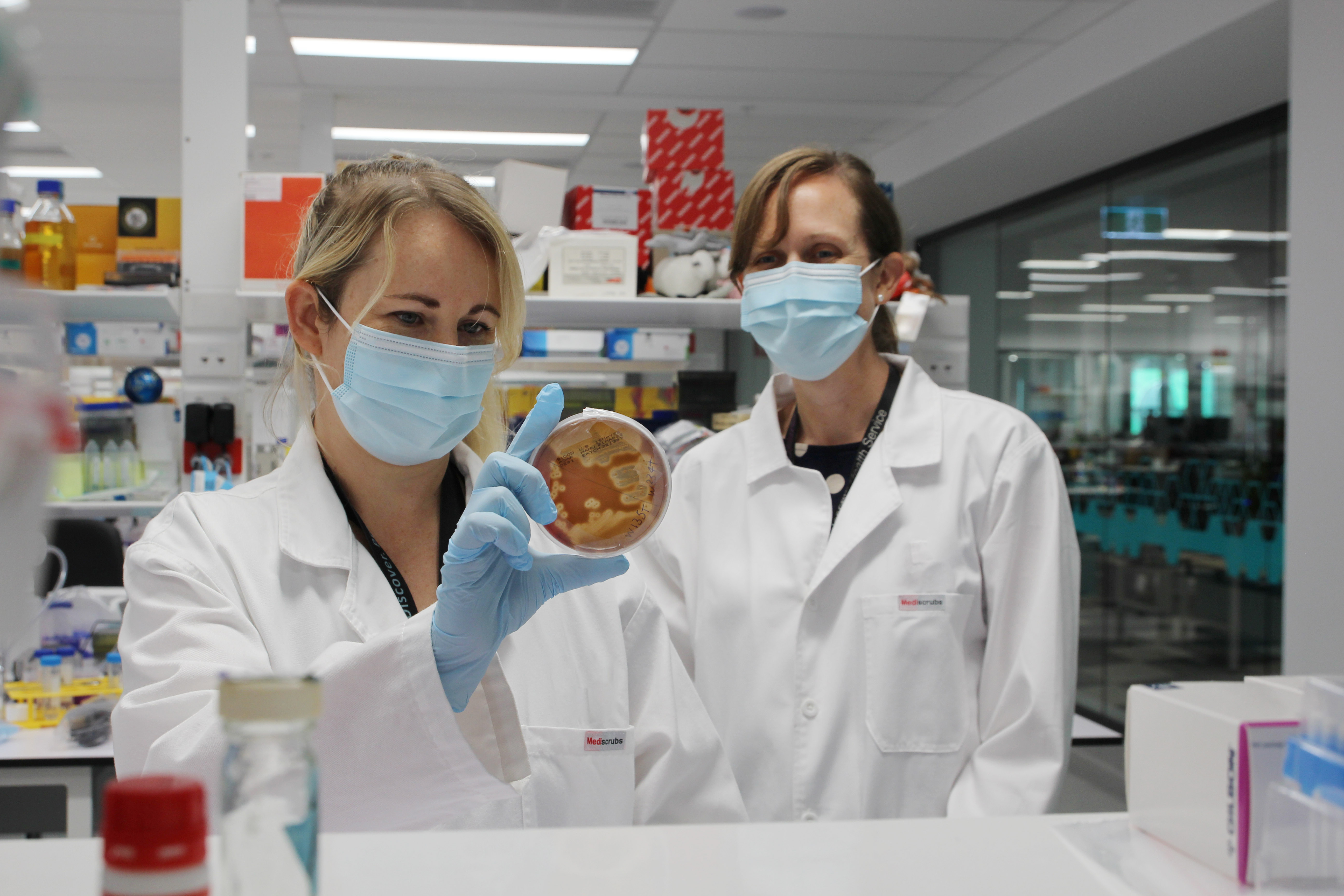
“After analyzing 1000 throat swabs, 200 skin swabs and 400 blood samples in our Perth laboratory, we discovered there were significantly more cases of Strep A circulating than first thought.
“Almost 30 per cent of children coming to school in the Kimberley reported one or more sore throat symptoms, using a sore throat checklist uniquely developed with Broome families for the Missing Piece Study, and around 15 per cent of kids had skin sores.
“The high rate of infection is certainly concerning, as we know when kids are at school, they pass Strep A around to each other, and we were also able to detect Strep A on some surfaces within the classroom.
“This information provides us with an important opportunity to intervene as there are many things we can do to prevent Strep A, including focusing on hygiene, ensuring children with sore throats are encouraged to go to the clinic for treatment and not sharing close spaces,” Professor Bowen said.
Dr Janessa Pickering, lead author and Research Fellow at the Wesfarmers Centre of Vaccines and Infectious Diseases, said the study highlighted that children with Strep A would most likely show no symptoms of infection.
“This is important as asymptomatic Strep A infections have been shown to be a key contributor to Strep A transmission and could be a vital missing link in the global conversation around RHD prevention,” Dr Pickering said.
“In addition, we identified that some kids carried the same type of Strep A infection for years, while others never got it at all, which provides us with a path forward for looking at the protective microbiome, or healthy bugs in the throat, that could be potentially guarding some kids against infection.”
Mrs Shelley Kneebone, Chief Executive Officer at Derby Aboriginal Health Service, said she was very concerned by the number of kids who tested positive but didn't have symptoms.
“The high number of asymptomatic infections is a clear indicator that we need more investment in RHD prevention – it certainly raises the question of how many bouts of Strep A kids are having without being treated,” Mrs Kneebone said.
I hope the true burden of infection discovered in the study will emphasise the need for greater focus on the social and environmental issues that affect our young children and make them such a high risk of RHD.
“The kids and their families who took part in the study were really supportive of this research, and while the results are worrying, we now have knowledge that can help us plan how we tackle RHD in our communities into the future,” she said.
First published Friday 19 December 2025.
View all news articles