
Search

An exciting study is investigating whether a new therapeutic treatment for asthma will protect young sufferers from ongoing lung damage and improve their long-term health outcomes.
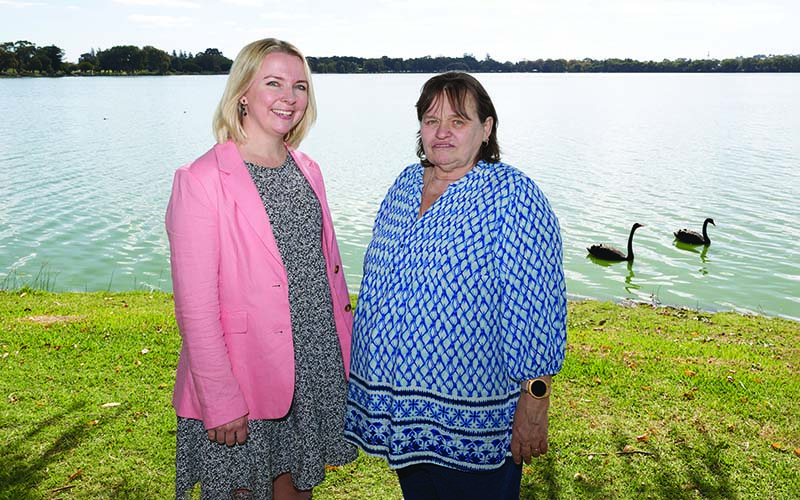
In Aboriginal culture, water is life, holding powerful spiritual and cultural significance and acting as a vital source of connection, food and medicine.
Anthropogenic activities are increasing the amount of carbon dioxide (CO2) in the atmosphere. There is mounting experimental evidence that lifetime exposure to these increasing atmospheric CO2 levels can negatively impact the normal physiology of organisms. However, directly assessing this in humans is very difficult.
Asthma affects more than 300 million people worldwide and is frequently associated with other medical conditions in adults, including chronic obstructive pulmonary disease, ischaemic heart disease, and stroke. Despite the huge burden, there has been little progress toward prevention and cure, possibly related to a one-size-fits-all approach.
Type 1 interferons (T1IFNs) are typically expressed in low concentrations under homeostatic conditions, but upon pathogenic insult or perturbation of the pathway, these critical immune signaling molecules can become either protectors from or drivers of pathology. While essential for initiating antiviral defense and modulating inflammation, dysregulation of T1IFN signaling can contribute to immunopathology, making it and its associated pathways prime targets for immune evasion and disruption by pathogens.
To better characterise prematurity-associated lung disease, adult spirometry phenotype classifications (obstructive lung disease, preserved ratio impaired spirometry and dysanapsis) have been applied to children born preterm. It is unknown how these phenotypes track over time.
Respiratory disease is a leading cause of hospitalisations in children with cerebral palsy (CP). Over 40% of individuals with CP are born preterm; however, the relationship between prematurity, CP and respiratory disease is unknown.
Anthony Kicic BSc (Hons) PhD Head, Airway Epithelial Research; WA Cystic Fibrosis Research Collaborative Program Fellowship; Stan Perron Charitable
Preterm birth is increasingly recognised as adversely influencing lifelong lung function. This Series paper on prematurity-associated lung disease reviews studies reporting longitudinal lung function measurements in individuals who were born preterm. Evidence suggests that preterm birth alters lung function trajectories from early life onwards, with implications for future respiratory morbidity. We propose that this population needs rigorous follow up that should include systematic monitoring of lung function across the lifespan, starting in childhood.
Children are particularly vulnerable to air pollution, but the effects of early life exposure to acute, high-intensity pollution on later lung function remain poorly understood. We assessed the association between prenatal or infant exposure to fire-related fine particulate matter (PM2.5) from a six-week coal mine fire and subsequent lung function.