
Search

Clinical Lead, Occupational Therapy
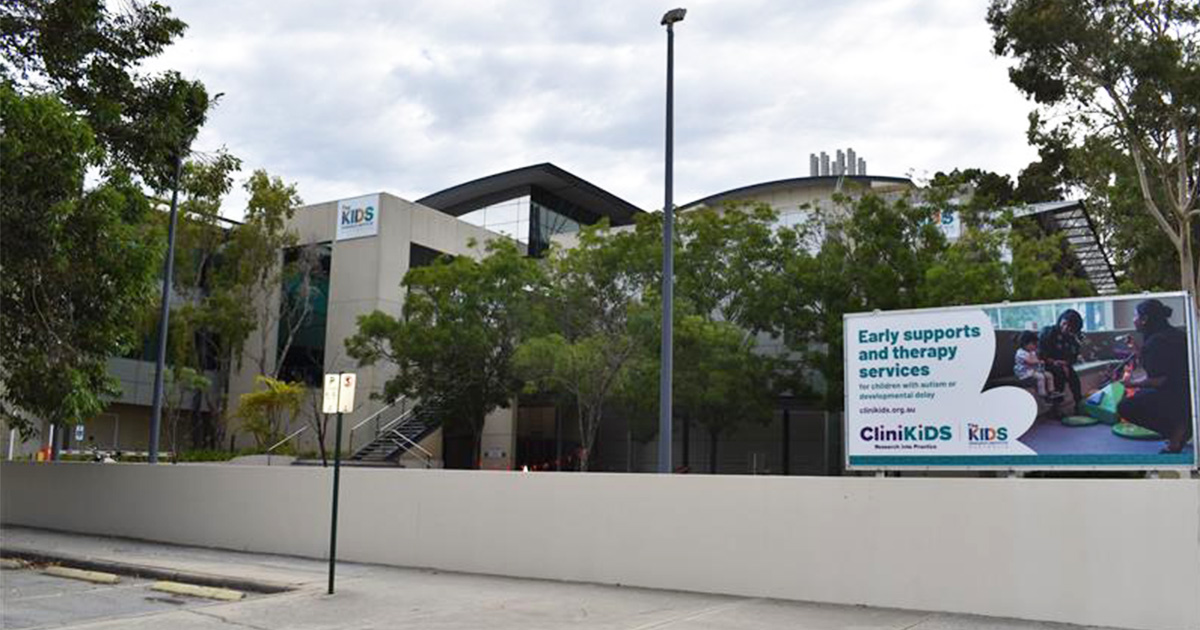
CliniKids has clinics in Subiaco and in Joondalup
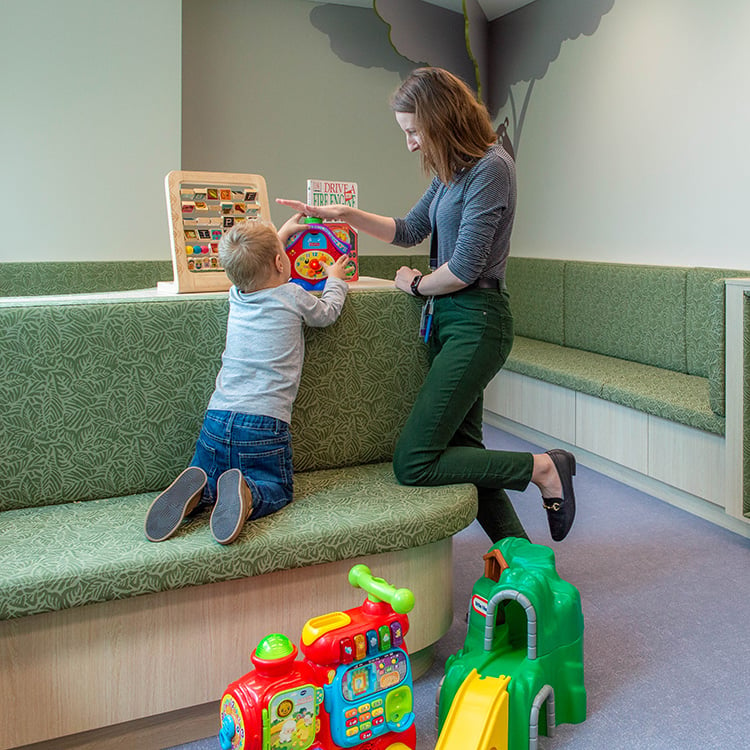
CliniKids provides therapy support and individualised programs to help children and families to reach their full potential.
Find out more about Paediatric Occupational Therapy services at CliniKids.
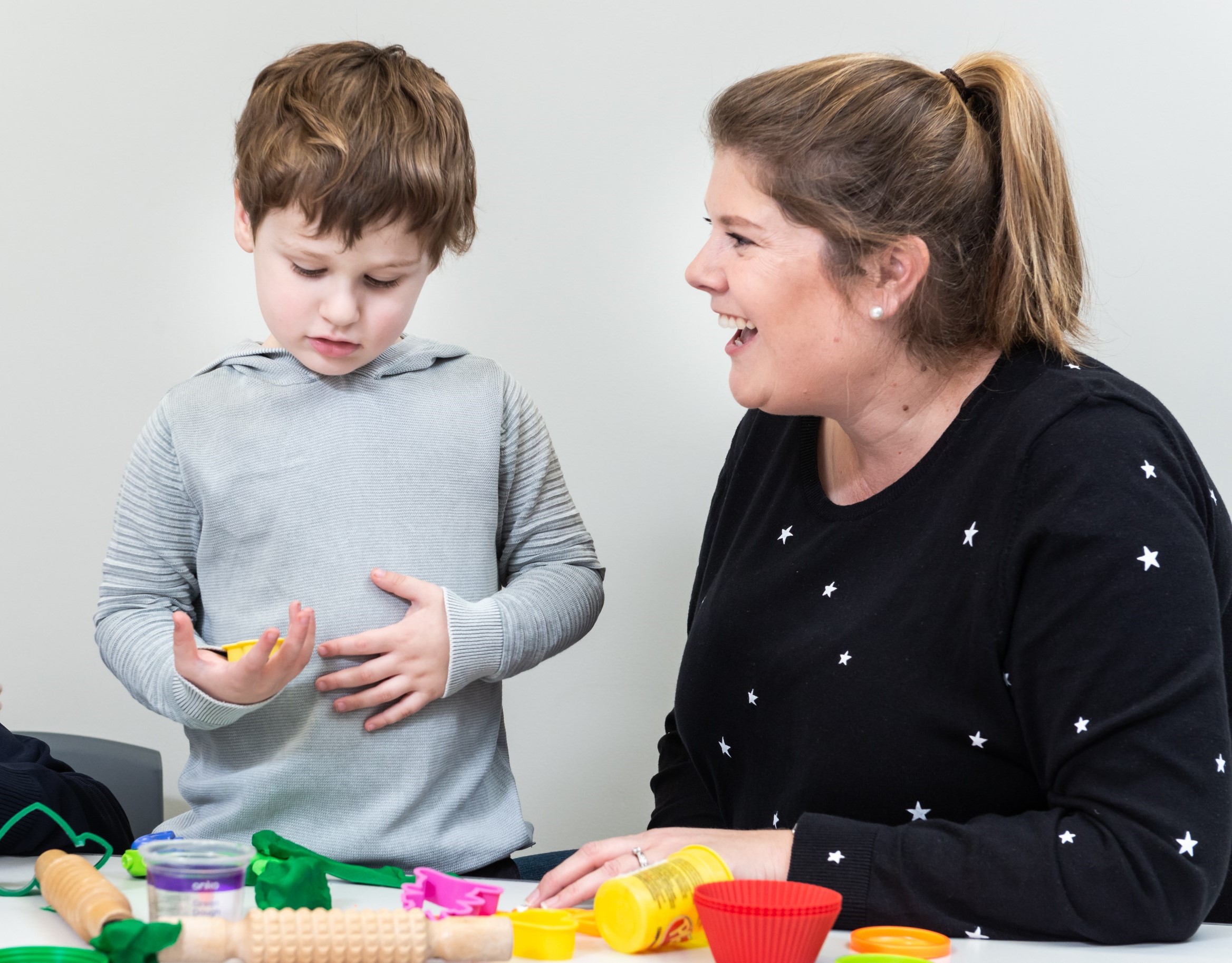
At CliniKids, we offer a communication therapy called PACT to caregivers of children who would like some additional support to understand their child’s communication.
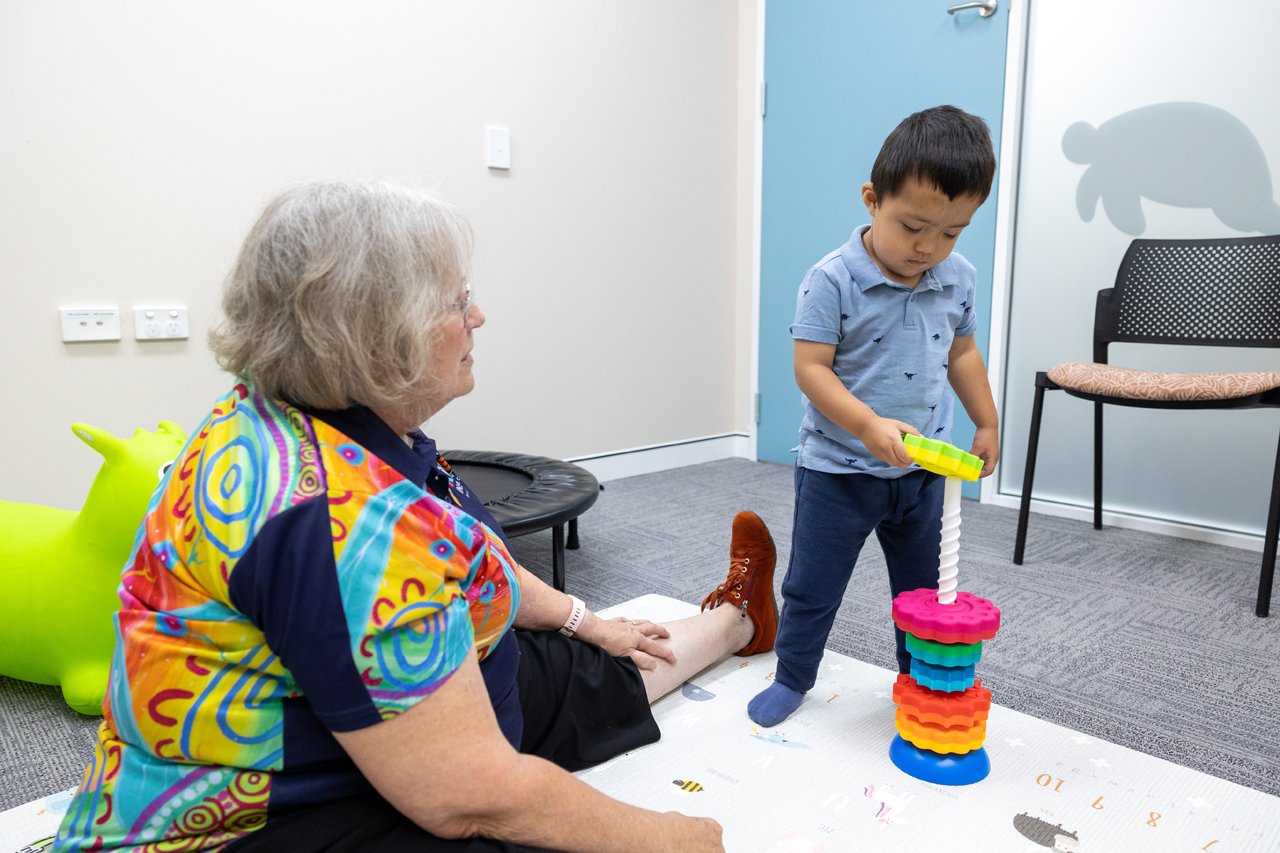
The CO-OP approach guides children to independently discover and develop cognitive strategies to perform the necessary tasks of everyday living.
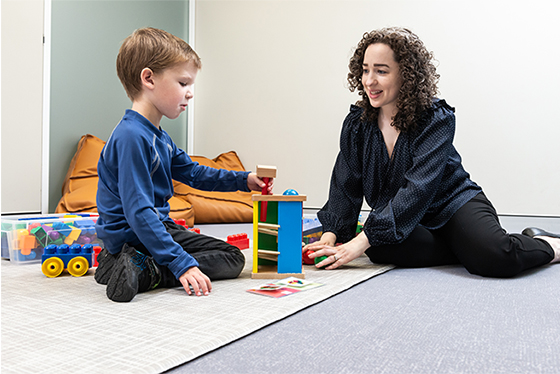
The ESDM aims to promote a child’s development across all domains, including language, joint attention, imitation, cognition, play and social skills, and fine and gross motor skills.
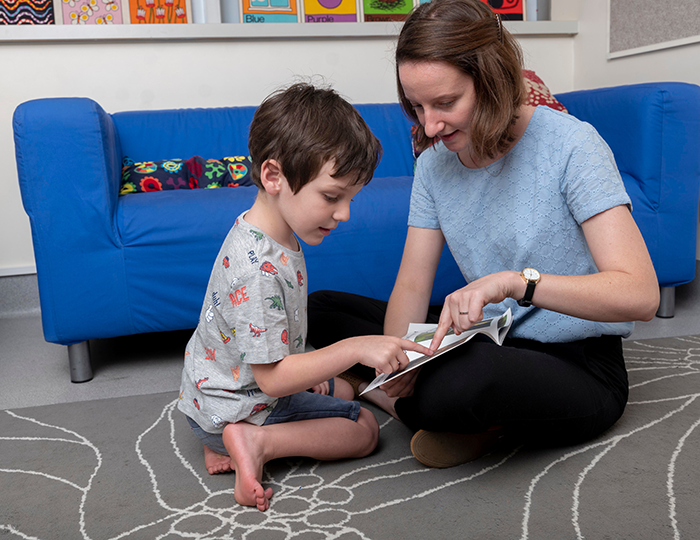
At CliniKids, the JASPER approach is for preschool and school-aged children who have differences in play and social communication skills.
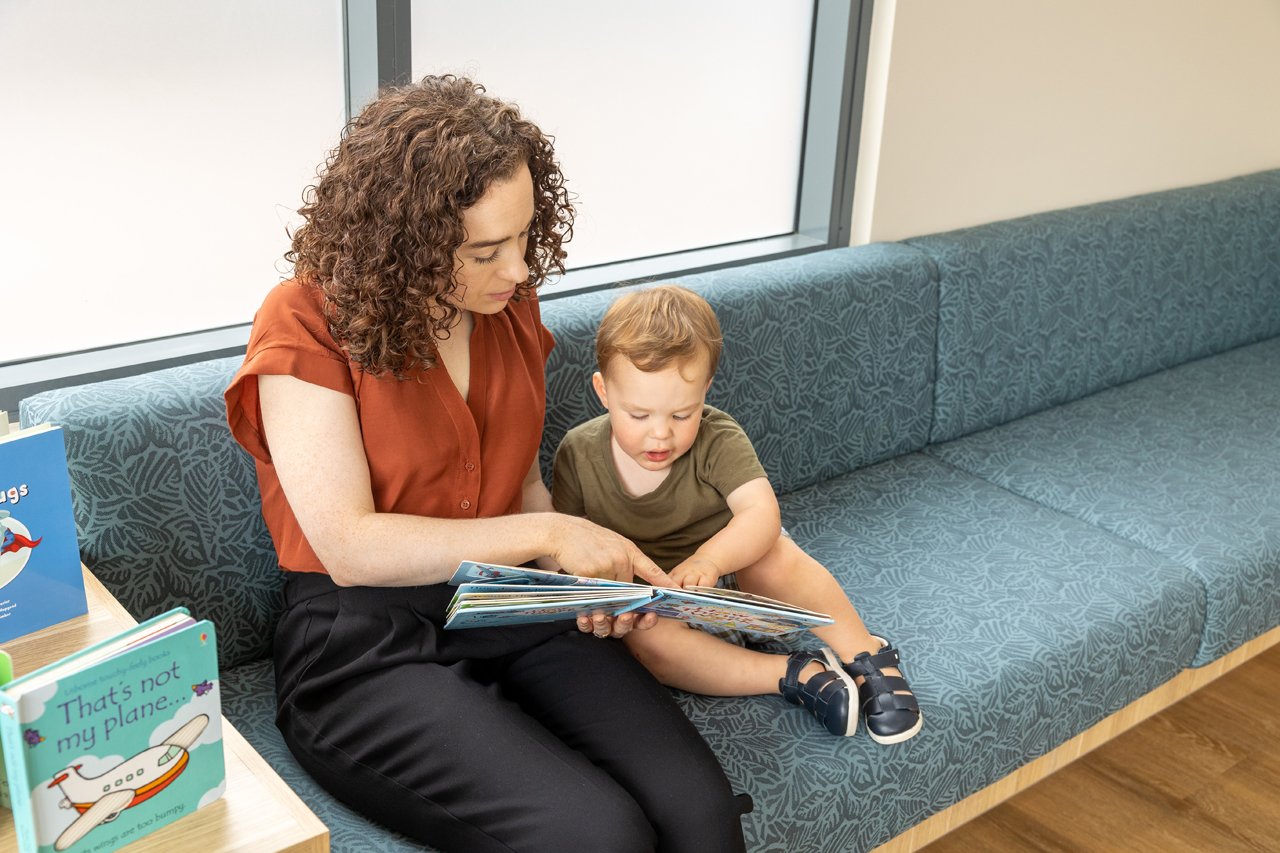
Find out more about CliniKids' new program which boosts early language skills through book sharing.
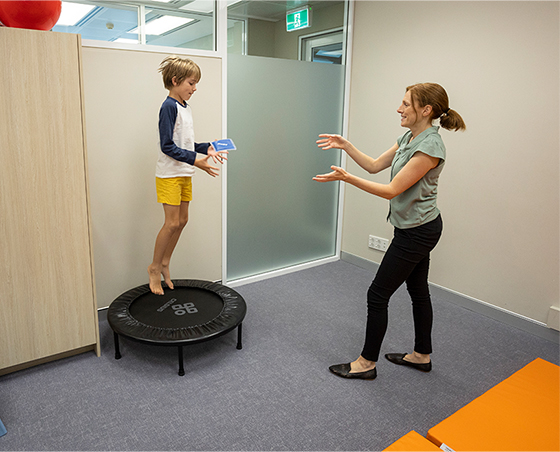
Developmental Coordination Disorder (DCD) is a neurodevelopmental condition that affects a child’s ability to learn and carry out everyday motor skills. An early and accurate assessment helps families and schools understand a child’s unique needs.