
Search

Research projects sharing in a $2.1 million funding boost will seek to translate research findings into changes that benefit patients and help the health system run more efficiently.
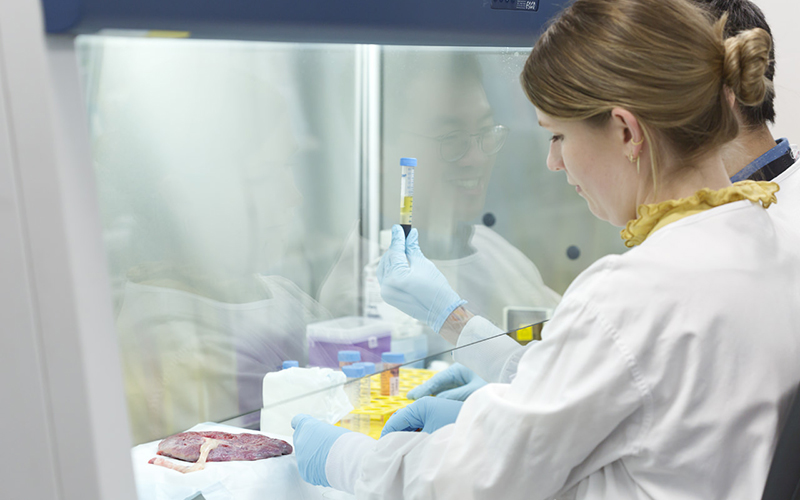
Four The Kids Research Institute Australia-based biobanks which underpin a range of cancer, respiratory and early life research have received more than $450,000 in funding.

The Kids Research Institute Australia researcher, Niamh Troy, has been named a joint winner of the Exxon Mobile Student Scientist of the Year award at the Premier’s Science Awards.

Perth’s north-east is under threat from an out-of-control bushfire.

Australian researchers who have conducted the first study looking at the direct health impacts of predicted carbon dioxide levels say the results are worrying and highlight the urgent need for more research into the issue.
National policies are essential for countries to adapt to the negative health impacts of climate change. Children are disproportionately affected by these impacts and must be at the heart of adaptation policies to address their vulnerabilities. Adaptation commitments worldwide are integrated into national adaptation plans, nationally determined contributions, national communications, and other multisectoral policies. We aimed to evaluate how effectively national climate change policies worldwide plan to protect child health, considering a range of determinants for successful child-health adaptation.
The high burden of peanut allergy underscores the need for treatment options that improve patient health-related quality of life (HRQL). However, the modifying effect of sex assigned at birth on treatment-related outcomes remains poorly understood. We sought to investigate whether sex modifies treatment effect on the change in overall and subdomain HRQL during the PPOIT-003 trial.
Respiratory infection and wheezing illness are leading causes of hospitalisation in childhood, placing a significant burden on families and healthcare systems. However, reliably distinguishing children at risk of developing persistent disease from those likely to outgrow their symptoms remains a clinical challenge. Earlier identification would allow clinicians to focus care and resources on those most likely to benefit from long-term management, while reducing anxiety and uncertainty about the future for families.
The earliest respiratory function assessments, within or close to the neonatal period, consistently show correlations with lung function and with the development of asthma into adulthood. Measurements of lung function in infancy reflect the in utero period of lung development, and if early enough, show little influence of postnatal environmental exposures.
Ensitrelvir, a 3C-like protease inhibitor, received emergency approval in Japan in November 2022 for treating non-hospitalized patients with mild-to-moderate COVID-19. However, confirmation of its real-world clinical effectiveness is limited.