
Search
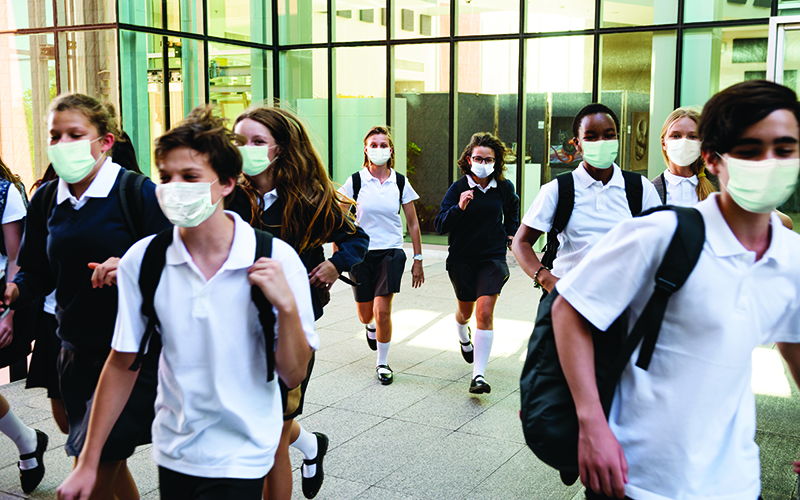
Researchers went into 79 WA primary and secondary schools in 2020 and found increased levels of emotional distress among students and families.
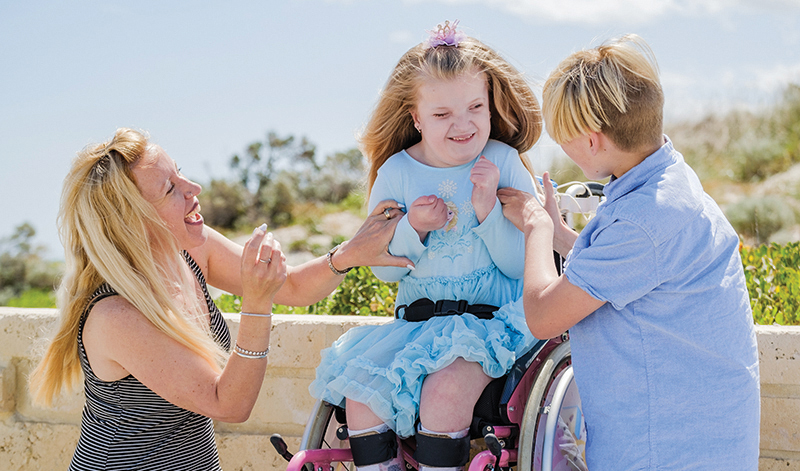
For thousands of WA children living with undiagnosed diseases, it’s hope.
Childcare centres have flocked to take up a new evidence-based policy to help ensure young children get more of the physical activity they need to be healthy and developmentally on track.
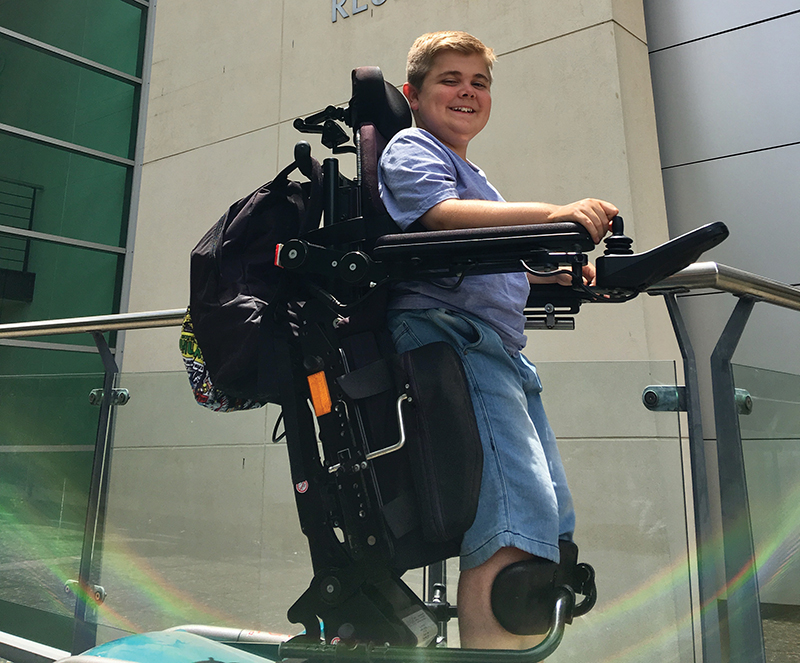
Klair Bayley knew her son Logan would eventually need a wheelchair.
The aim of this study was to test the hypothesis that exercise in cool water results in a greater decrease in blood glucose concentration than in thermoneutral water or on land in individuals with type 1 diabetes.
Family Day Care (FDC) is an essential service supporting Australian families requiring convenient, versatile, and quality education and care for their children. FDC educators’ mental wellbeing (MWB), often overlooked, is vital to ensure optimal education and care. This study aimed to gauge Australian FDC educators’ MWB and identify factors positively or negatively affecting MWB.
The majority of Australian children exceed the World Health Organization's recommended dietary intake of free sugar, particularly through the consumption of sugar-sweetened beverages. Front-of-pack nutrition labels increase perceived risk and deter the consumption of sugar-sweetened beverages.
Aboriginal and Torres Strait Islander (hereafter respectfully named Indigenous) Australians are diagnosed with some cancers substantially more frequently than non-Indigenous Australians implying a different risk factor landscape. Additionally, poorer outcomes for certain cancers are exacerbated by lower cancer screening rates and later diagnoses compared to non-Indigenous Australians.
Droughts have profound and far-reaching impacts on human health and well-being, but their influence on sexual violence among adolescent girls in low- and middle-income countries (LMICs) is underexamined.This study examines the association between drought and sexual violence against adolescent girls and young women globally, using cross-sectional, nationally representative data from the Violence Against Children and Youth Surveys (VACS) from 2013 and 2019.
The objective of this scoping review is to understand the nature of the published evidence on housing suitability, affordability, insecurity, and homelessness in relation to physical and mental health, domestic violence, and health service use among Indigenous people in high-income countries.