
Search
Community links and support services
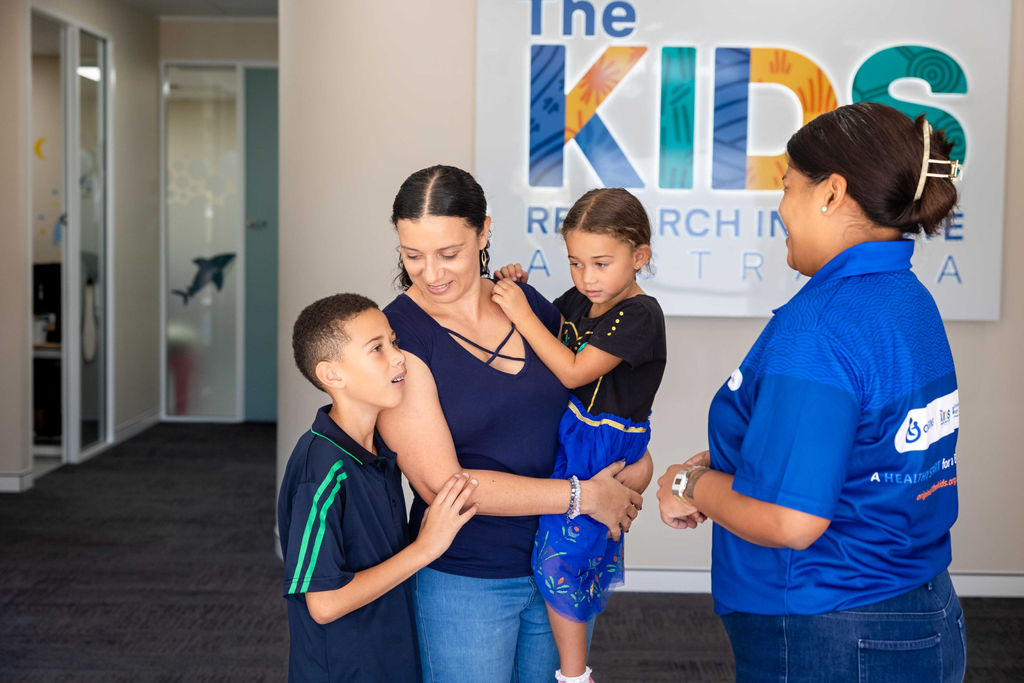
Our participants have the opportunity to join a variety of sub-projects ranging from allergy prevention to improving the mental health of families.
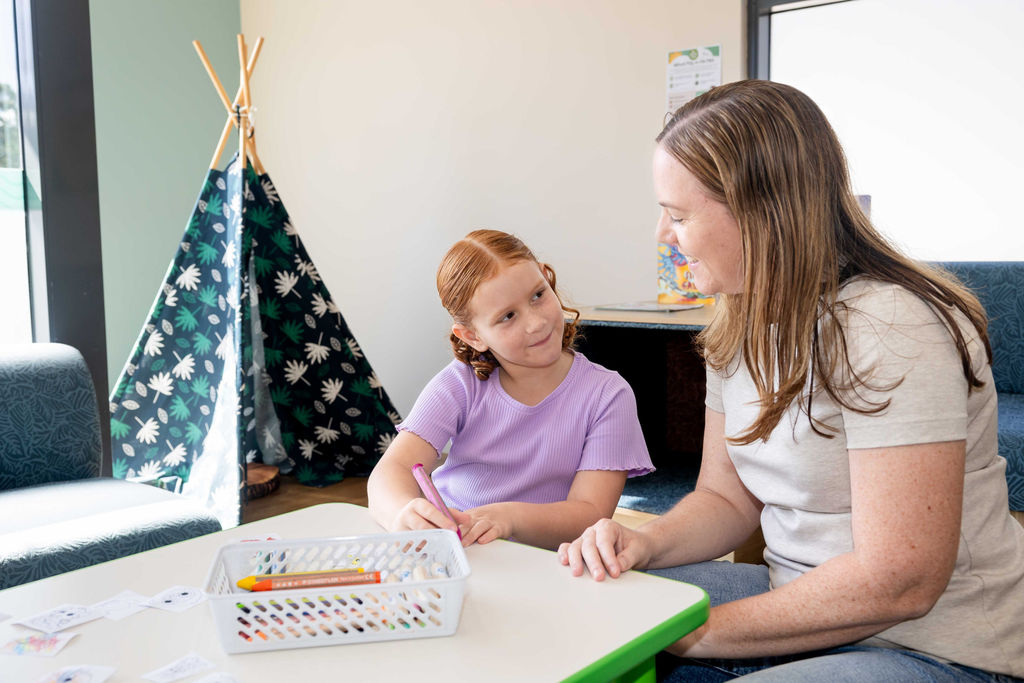
The ACE sub-project is investigating the impact of positive and negative maternal childhood experiences on pregnancy outcomes, and the health and wellbeing of children, with the aim to improve clinician screening and support available to families.
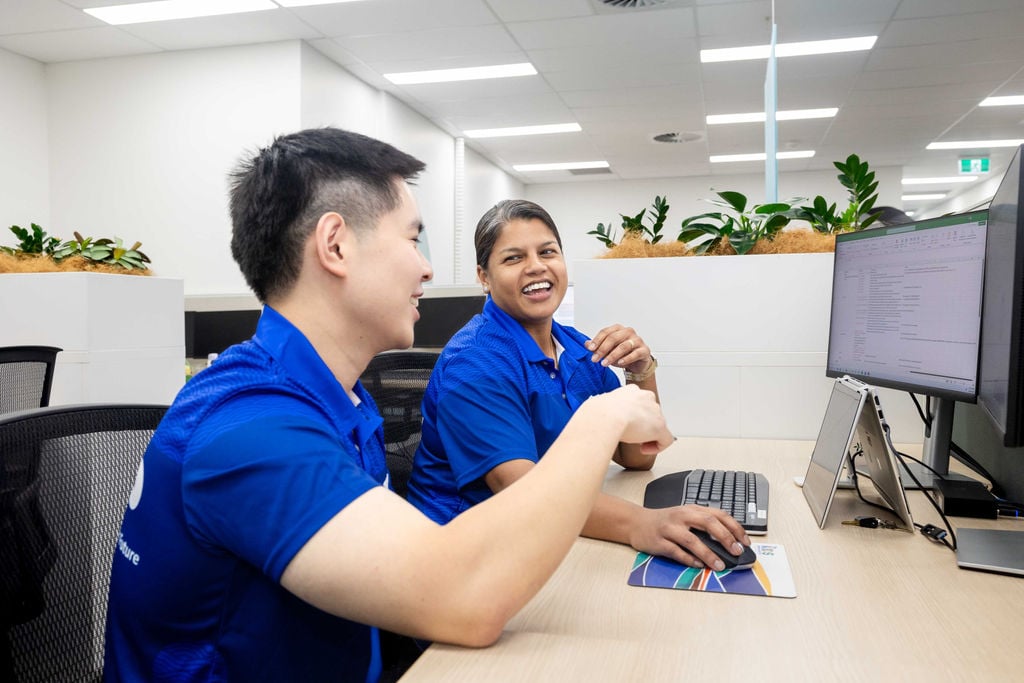
Access world-leading evidence from Australia’s largest longitudinal birth cohort study, uncovering how early environments influence the development of chronic disease across a generation.
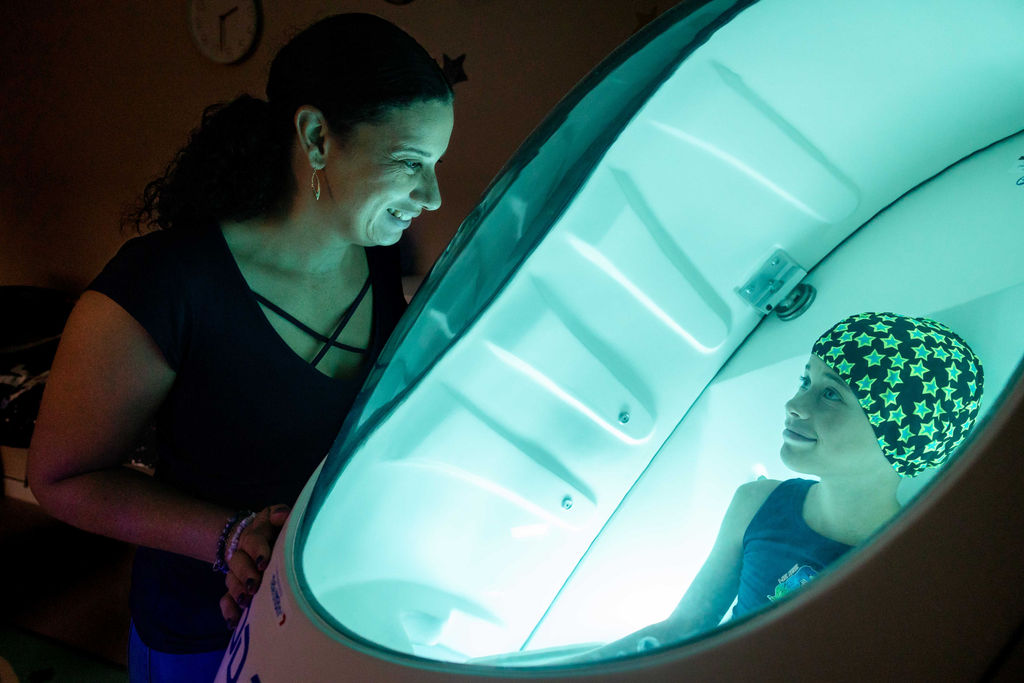
As well as ORIGINS long-term core research, there are a number of clinical trials, early interventions and shorter-term research studies that sit within ORIGINS. Known as sub-projects, these studies look at multiple aspects of child and family health and development.
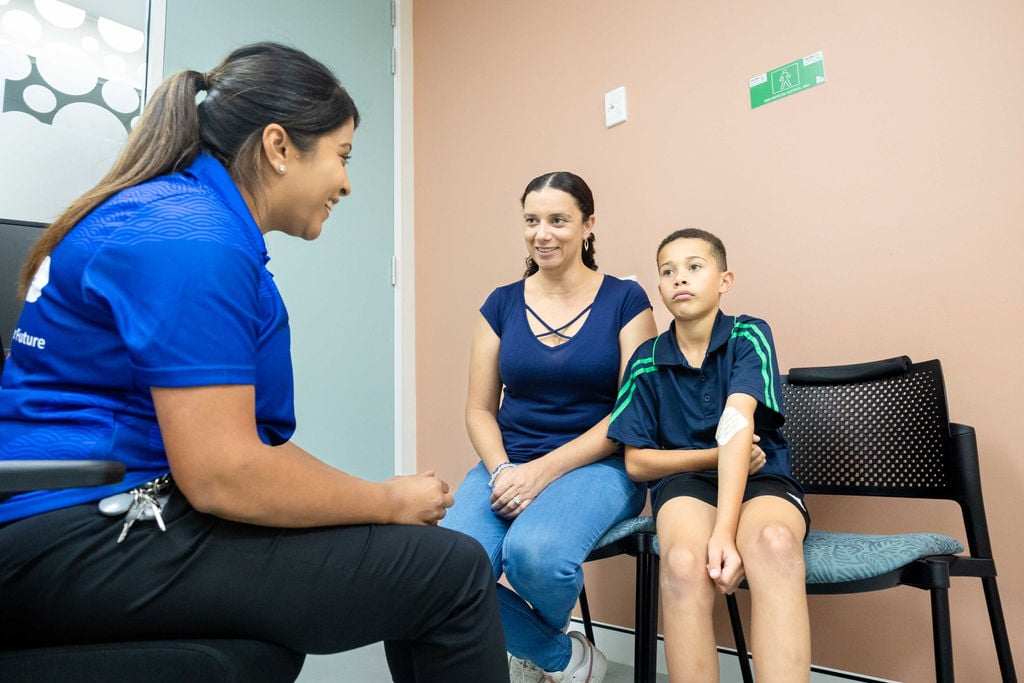
ORIGINS has several sub-projects exploring allergy development within the cohort, with a focus on respiratory conditions such as asthma and nutritional strategies for allergy prevention.
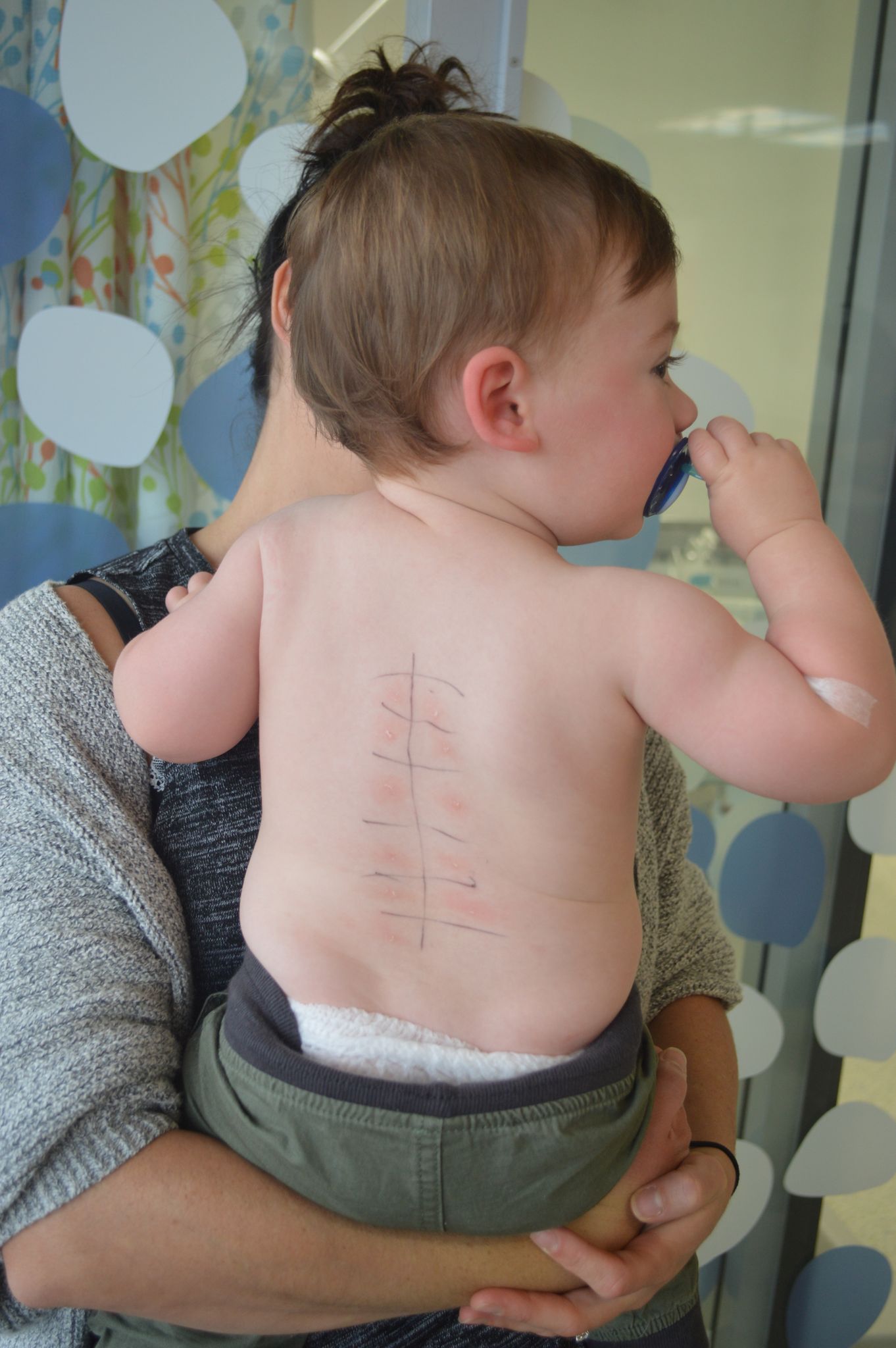
Comparing how mast cells are “programmed” in allergic and non-allergic children at one year of age.
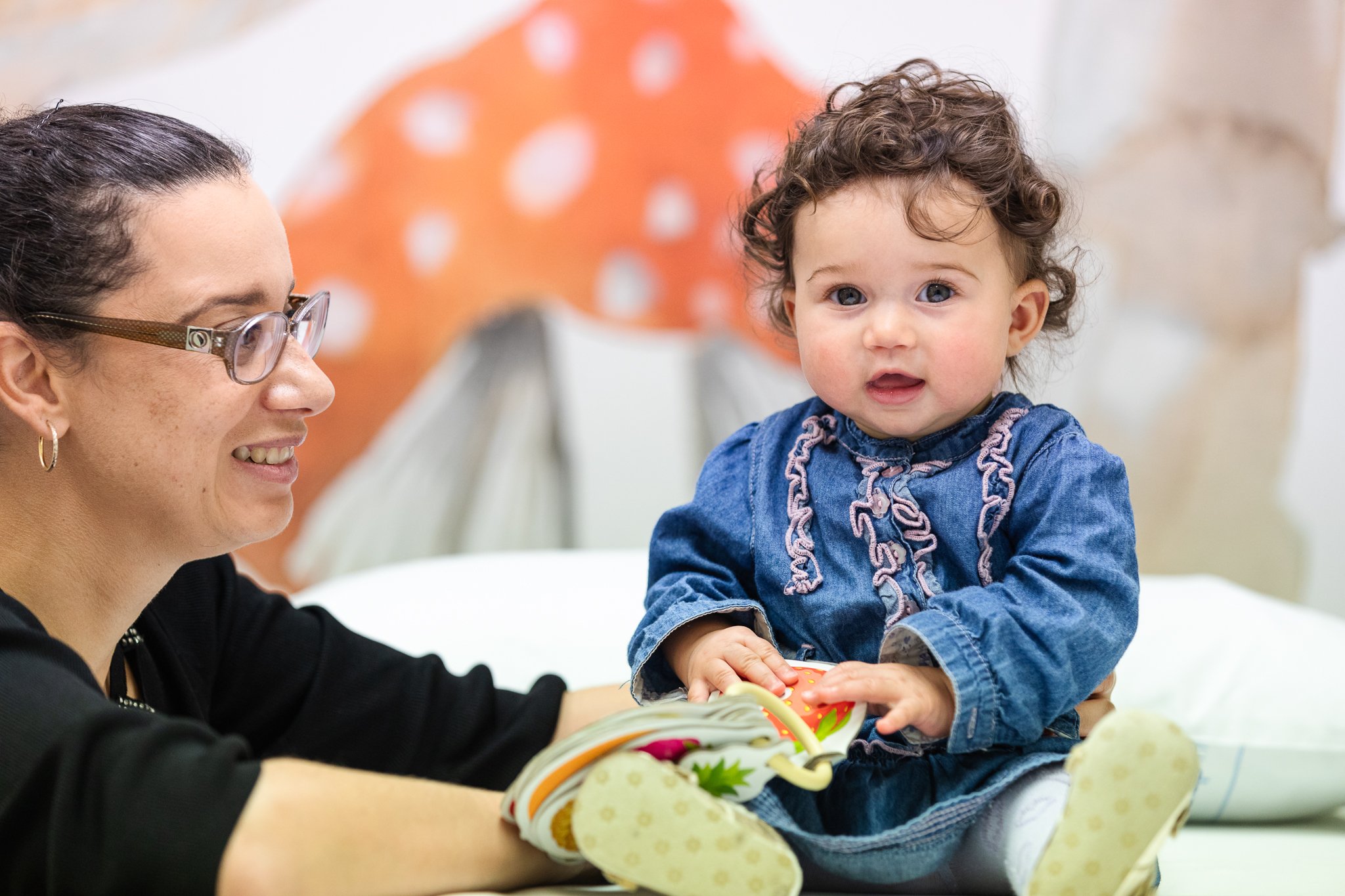
RHINO researchers from The Kids' Wal-yan Respiratory Research Centre, will analyse ORIGINS data and turn it into meaningful respiratory and allergy outcome data that can be used by researchers around the world.

PrEggNut is aiming to determine whether mothers regularly eating more eggs and peanuts during pregnancy and breastfeeding will reduce food allergies in their babies.

The Happy Parenting Program is investigating new ways to provide support to parents with young children from an early age.