
Search
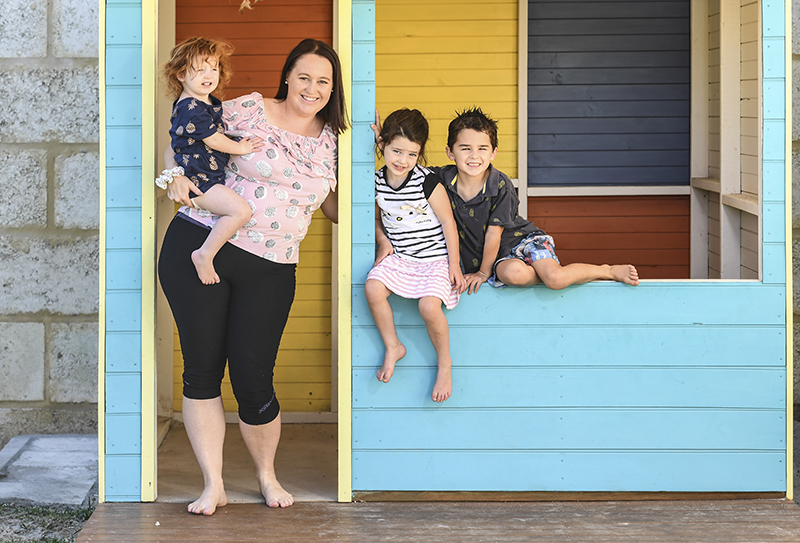
In an Australian-first study, researchers at The Kids Research Institute Australia are investigating the effects of COVID-19 on the wellbeing of more than 2,000 families in the northern suburbs of Perth, measuring their perceived stress, financial hardship and family functioning during the pandemic.
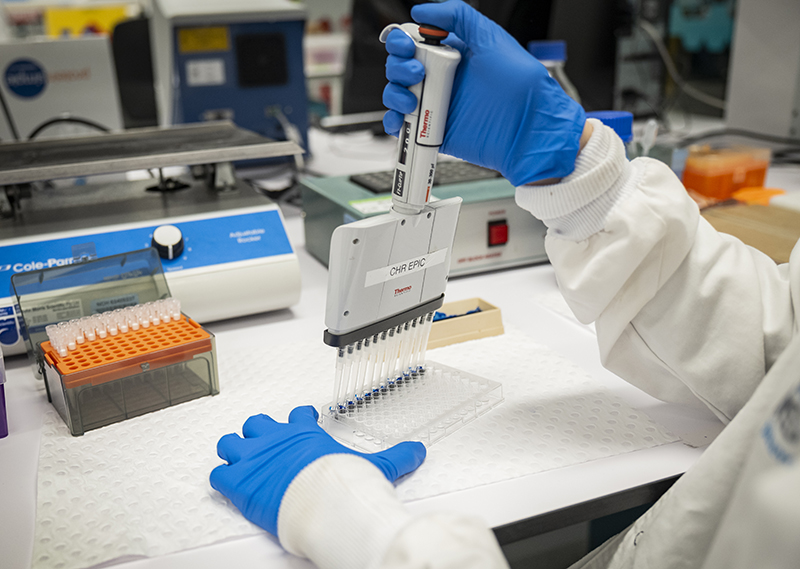
At least 2,000 WA healthcare workers will help test whether an existing tuberculosis vaccine can reduce their chance of COVID-19 infection, lessen the severity of symptoms and boost immunity.
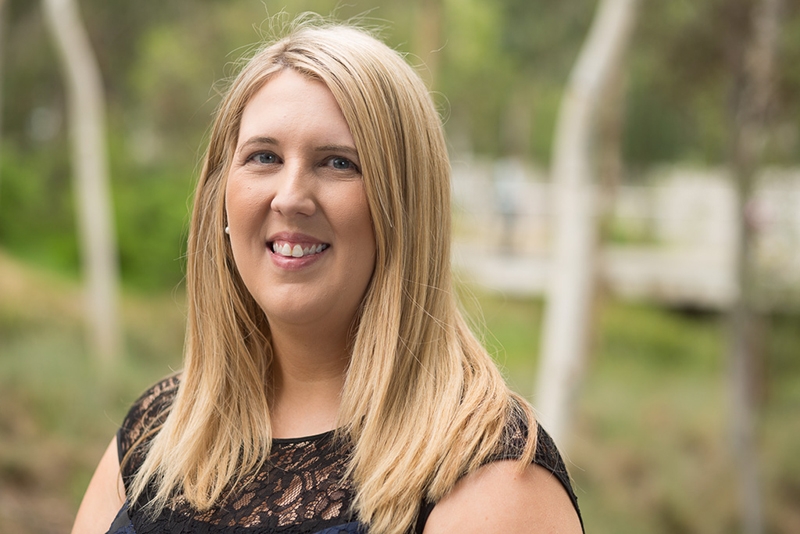
Like many of us, consumer and community advocate Catherine Hughes is worried about the impact of COVID-19. So she joined Australia’s first COVID-19 consumer reference group to be a voice for the community.
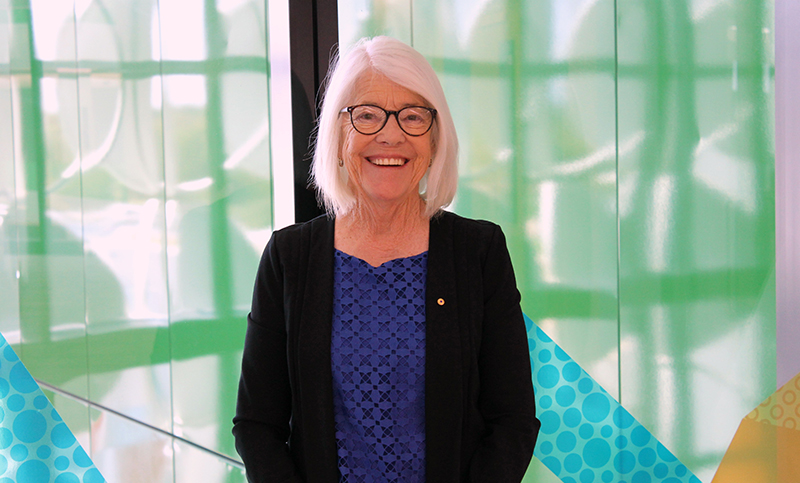
The speed with which research projects on the coronavirus have been put together has consumer advocates concerned that a vital voice will be missing – that of the community.

Many parents may be feeling anxious and confused about what COVID-19 means for pregnant women, babies and children.

Comparatively few children have tested positive for coronavirus (COVID-19). Here’s what we know so far about how children are affected.

The Kids Research Institute Australia is pleased to share in $490,000 in State Government funding designed to provide vital support to WA’s innovation sector in the wake of COVID-19.

Australia’s first needle-free, gene-based COVID-19 vaccine study will be spear-headed in WA by The Kids Research Institute Australia thanks to almost $6 million in Coronavirus Research Response funding announced by Health Minister Greg Hunt.
This study adapts the Multiple Streams Framework (MSF) to explore why COVID-19 vaccine mandates were applied at sectoral and subnational levels in Vietnam while the central government maintained that vaccination was voluntary. Document analysis reveals that these mandates arose from the effective coupling of the three streams—problem, policy, and politics—in a setting of authoritarian rule, where the streams function differently (and more uniformly) compared to democratic contexts.
Since the emergence of SARS-CoV-2 in 2019 through to mid-2021, much of the Australian population lived in a COVID-19-free environment. This followed the broadly successful implementation of a strong suppression strategy, including international border closures. With the availability of COVID-19 vaccines in early 2021, the national government sought to transition from a state of minimal incidence and strong suppression activities to one of high vaccine coverage and reduced restrictions but with still-manageable transmission.