
Search
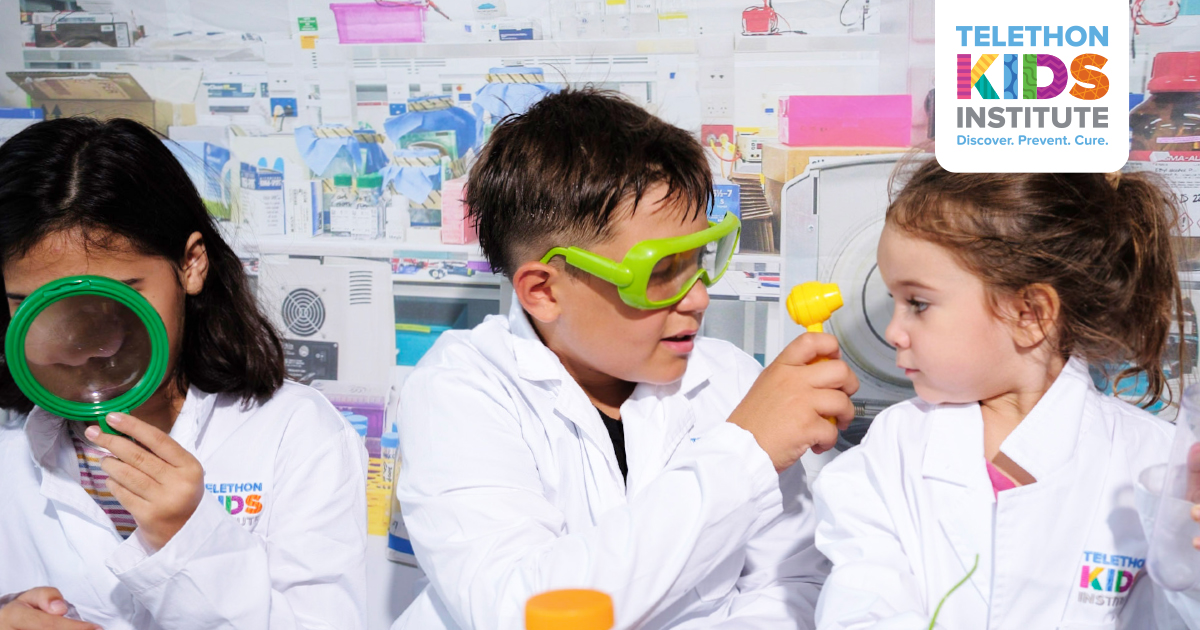
The Kids Research Institute Australia is bringing science to the Kimberley, with a series of free activities for children and families in Broome in the leadup to National Science Week.
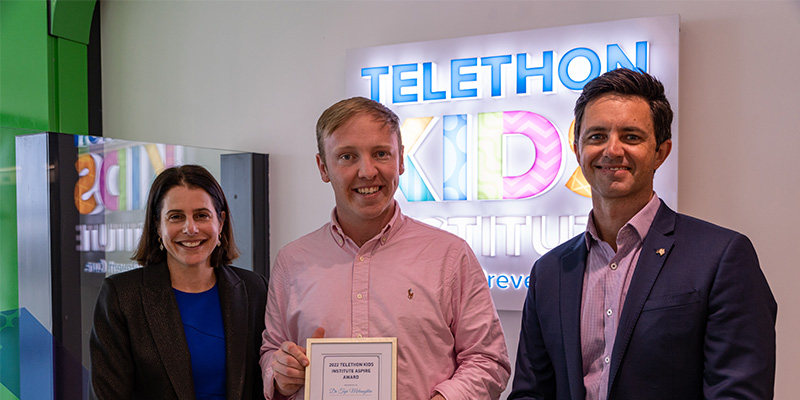
Dr Matthew ‘Tepi’ Mclaughlin is the 2022 The Kids Research Institute Australia Aspire Award winner - coordinated by Western Australia’s peak body for business events, Business Events Perth.
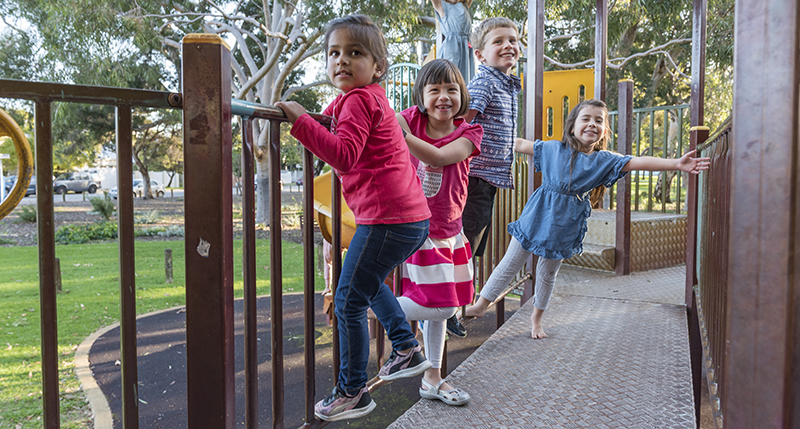
Eight The Kids Research Institute Australia-led projects will benefit from a Western Australian Government boost to health research for the State’s children and young people.
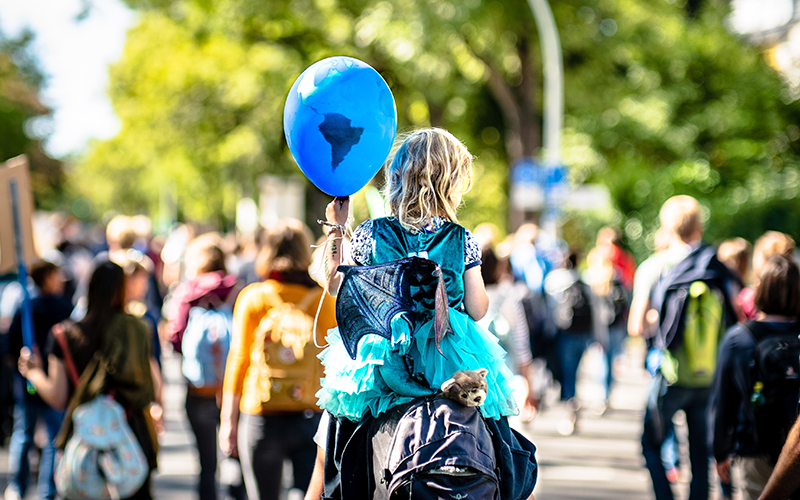
The Kids Research Institute Australia supports calls from the Intergovernmental Panel on Climate Change (IPCC) for transformational action if we are to secure a liveable future.
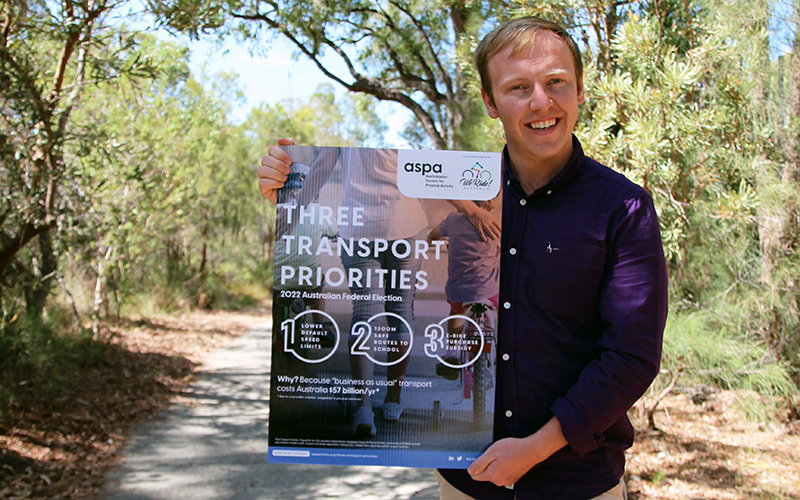
The Kids Research Institute Australia has backed a series of transport priorities to keep children safer on the roads, boost physical activity levels, and save the economy billions of dollars.

A new The Kids Research Institute Australia-led report into the impact of state and national policy on children’s health has called for kids and families to have more say when it comes

A The Kids Research Institute Australia PhD student has been awarded Western Australia’s only 2022 postgraduate scholarship by the National Health and Medical Research Council
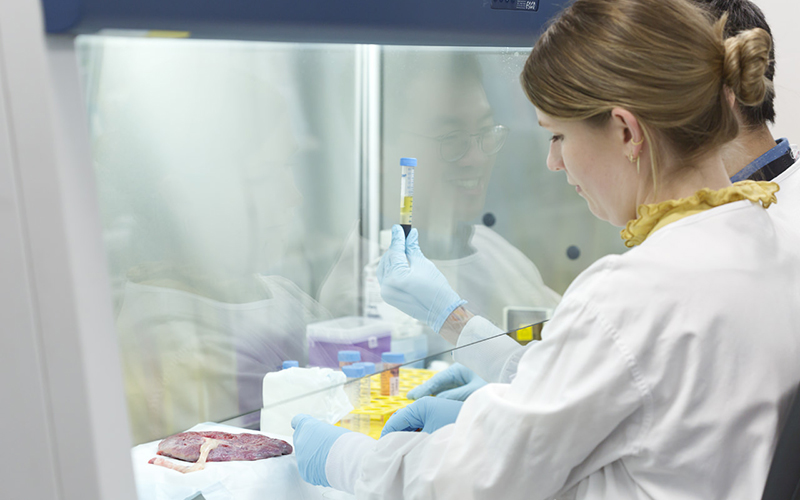
Four The Kids Research Institute Australia-based biobanks which underpin a range of cancer, respiratory and early life research have received more than $450,000 in funding.
Otitis media with effusion (OME) affects hearing, speech development, and quality of life (QoL) in children. The 'Blow, Breathe, Cough' (BBC) intervention promotes nasal, respiratory, and middle ear clearance through nose blowing, deep breathing, coughing, and hand hygiene. It shows promise in resolving OME but lacks randomized-controlled trial (RCT) evaluation. This paper presents a RCT protocol evaluating BBC's effect on OME resolution, hearing, speech, and QoL in children aged two to seven years.
National policies are essential for countries to adapt to the negative health impacts of climate change. Children are disproportionately affected by these impacts and must be at the heart of adaptation policies to address their vulnerabilities. Adaptation commitments worldwide are integrated into national adaptation plans, nationally determined contributions, national communications, and other multisectoral policies. We aimed to evaluate how effectively national climate change policies worldwide plan to protect child health, considering a range of determinants for successful child-health adaptation.