
Search
the association between infant LRTI and risk for persistent wheeze/asthma in this cohort is generally stronger for fLRTIs than for other infection categories
Asthma is a chronic disease of the airways, most commonly driven by immuno-inflammatory responses to ubiquitous airborne antigens.
The hallmark of atopic asthma is transient airways hyperresponsiveness (AHR) preceded by aeroallergen-induced Th-cell activation.
Asthma is a chronic inflammatory disease of the small and large conducting airway mucosa characterised by Th2 cell immunity.
This chapter describes the preparation of respiratory tract tissue from both mice and rats for the isolation of respiratory tract dendritic cells (RTDC).
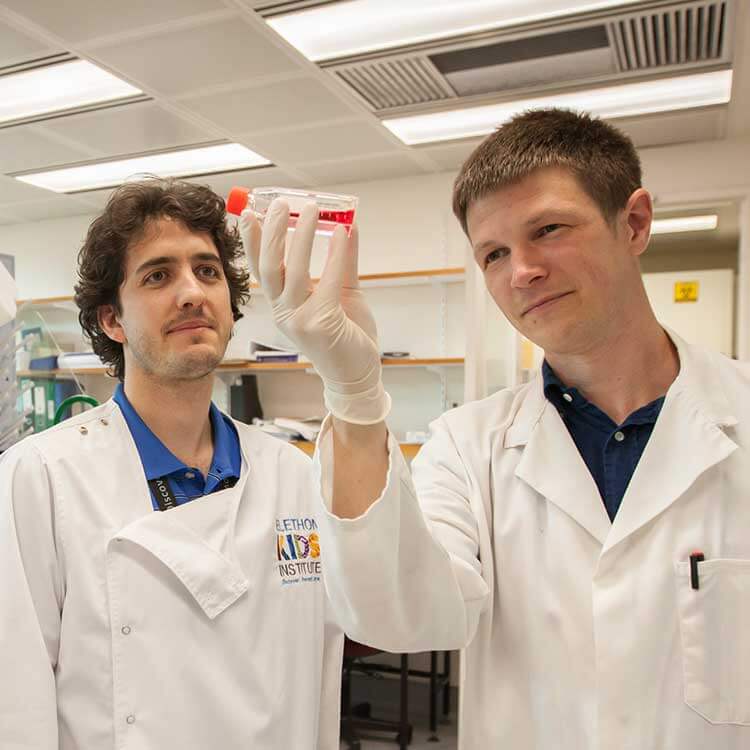
The Pregnancy and Early Life Immunology team's overall research vision is targeted towards understanding immunological development during early life.
This study aims to investigate the cellular and molecular profiles of the immune system in infants at high/low risk for Autism, as determined through clinical assessment.
We are studying immune cells from identical twins of which one suffers and one does not suffer from allergic disease to identify specific mechanisms that may play important roles in disease development.

This study is designed to identify the specific unique immune cell response that occurs in these children with recurrent disease.
Studies in Europe show exposure of pregnant women to high levels of microbial products stimulate immune function maturation in their offspring