
Search
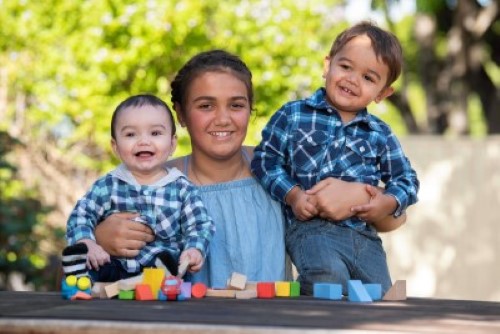
A new partnership between The Kids Research Institute Australia, Dr George Sim and St John of God Murdoch Hospital will offer essential surgery at no cost for a group of Aboriginal children suffering severe ear infections.
Streptococcus pneumoniae is a key contributor to childhood morbidity and mortality in Papua New Guinea (PNG). For the first time, whole genome sequencing of 174 isolates has enabled detailed characterisation of diverse S. pneumoniae causing invasive disease in young children in PNG, 1989-2014.
Contemporary data for the global burden of sore throat and group A Streptococcus (Strep A) pharyngitis are required to understand the frequency of disease and develop value propositions for Strep A vaccines.
Chris Deborah Tamara Brennan-Jones Lehmann Veselinovic PhD AO, MBBS, MSc BSc(Hons) MClinAud PhD Head, Ear and Hearing Health Honorary Emeritus Fellow
Invasive meningococcal disease (IMD) causes significant morbidity and mortality worldwide with serogroup B being the predominant serogroup in Australia and other countries for the past few decades. The licensed 4CMenB vaccine is effective in preventing meningococcal B disease. Emerging evidence suggests that although 4CMenB impact on carriage is limited, it may be effective against gonorrhoea due to genetic similarities between Neisseria meningitidis and Neisseria gonorrhoeae.
Citation: Reid A, Bowen AC, Brennan-Jones CG, Kuthubutheen JB. Congenital cytomegalovirus: the case for targeted infant screening in Australia. Med J
BCG vaccination modulates immune responses to unrelated pathogens. This off-target effect could reduce the impact of emerging pathogens. As a readily available, inexpensive intervention that has a well-established safety profile, BCG is a good candidate for protecting healthcare workers (HCWs) and other vulnerable groups against COVID-19.
Papua New Guinea (PNG) introduced the 13-valent pneumococcal conjugate vaccine (PCV13) in 2014, with administration at 1, 2, and 3 months of age. PCV13 has reduced or eliminated carriage of vaccine types in populations with low pneumococcal carriage prevalence, carriage density and serotype diversity.
To generate a conceptual framework describing what is done to reduce the impact of chronic tinnitus on the lives of children and adolescents.
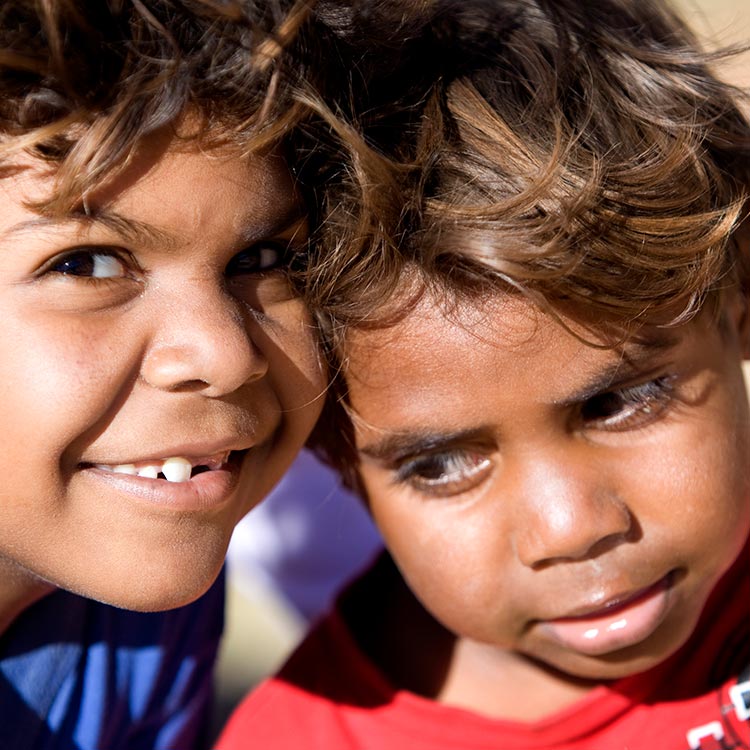
A $6 million commitment from Wesfarmers to Telethon will fund vital research to reduce the impact of chronic ear infections and other serious diseases.