
Search
The placebo effect is established in clinical trials, but for paediatric research, questions remain about how to best manage its influence. Within the autism field, data on these issues is sparse. This is particularly important in the oxytocin field where placebo responses are thought to play an important role. This study reports on data from the single-blind, placebo lead-in phase of a randomised controlled trial to investigate the placebo response and its relationship to treatment response in autistic children.
Autistic children demonstrate an increased likelihood of self-injurious behaviours (SIB). To support autistic individuals who exhibit SIB and understand the factors that contribute to SIB, we examined several child and family characteristics associated with the severity of SIB.
This study aimed to identify guiding principles to underpin assessment and diagnosis of autism to improve the quality, consistency and accuracy of services provided to individuals and their families. An online survey and focus groups were used to capture community perspectives of members of the Australian autistic and autism communities.
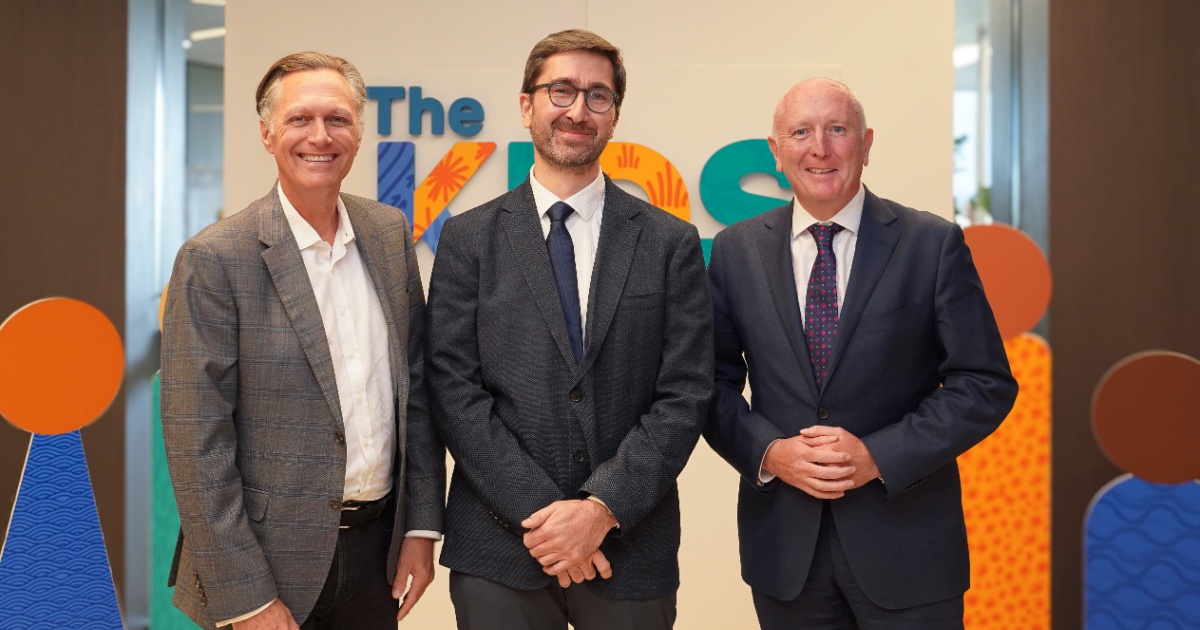
A leading autism scientist has relocated to Perth to take up a new appointment at The Kids Research Institute Australia, thanks to a program designed to attract world-class health researchers to Western Australia.
We do not know much about what support services people think are okay for young autistic children. This study was a survey of 253 people. We asked autistic adults, parents, and professionals from Australia and New Zealand whether they thought it was okay to provide support services to autistic children.
Andrew Videos Whitehouse Watch and listen to Andrew PhD Deputy Director (Research); Angela Wright Bennett Professor of Autism Research at The Kids
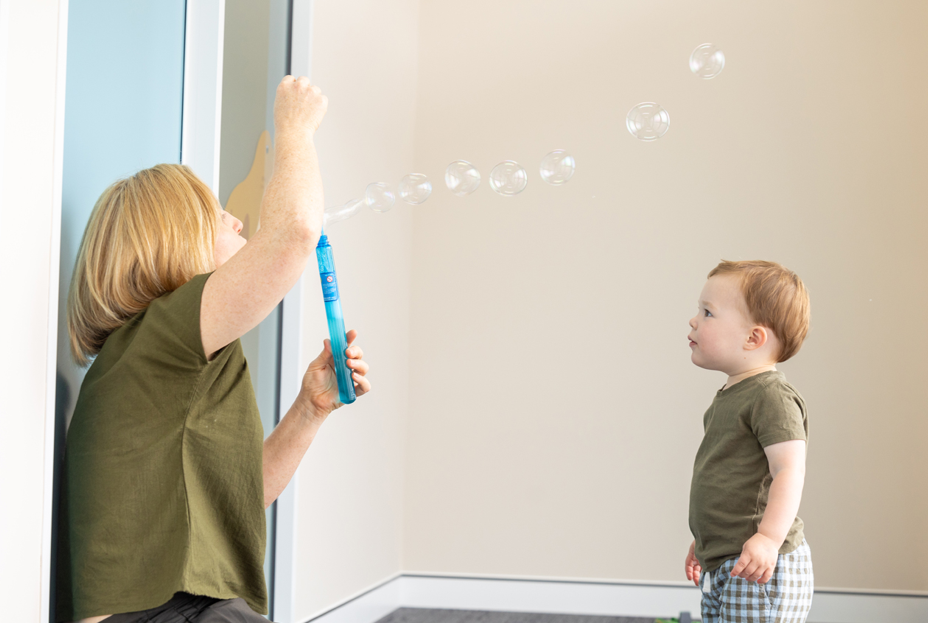
Deputy Director Andrew Whitehouse and Head of Autism / Senior Principal Research Fellow, David Trembath explore how the evolving definition of autism may affect the identification and support of autistic people, particularly those with the highest support needs. Published by The Conversation on the 14th May 2026.
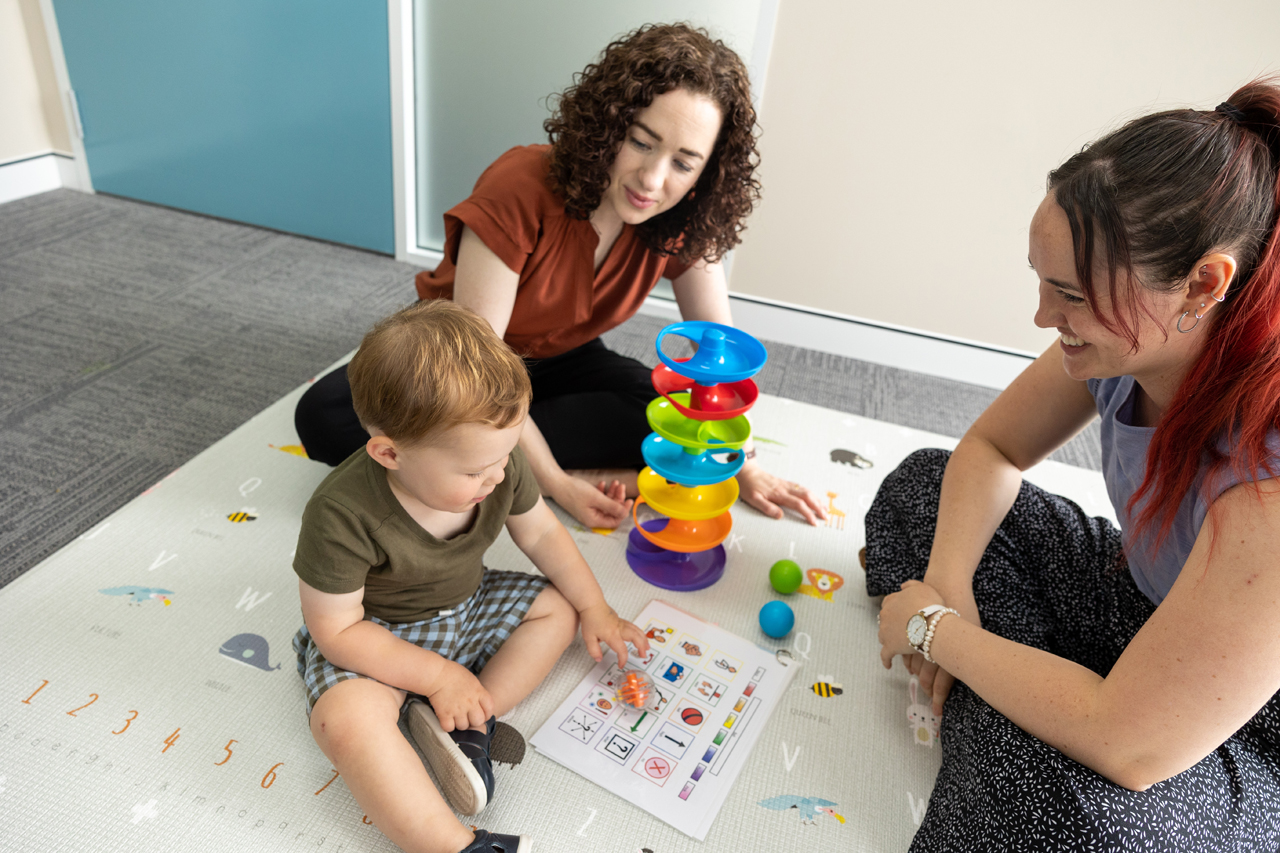
This series aims to provide some practical and evidence-based ideas to support your child and family.

News you can use - Travelling with an ear infection
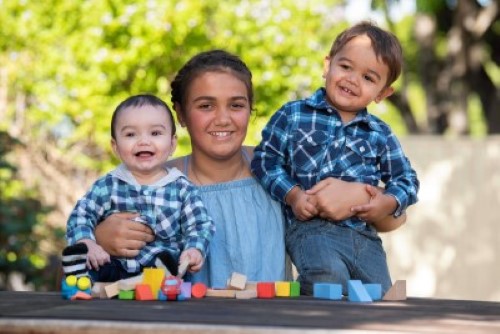
A new partnership between The Kids Research Institute Australia, Dr George Sim and St John of God Murdoch Hospital will offer essential surgery at no cost for a group of Aboriginal children suffering severe ear infections.