
Search
Living with a long-term medical condition is associated with heightened risk for mental health and psychosocial difficulties, but further research is required on this risk for children and adolescents with a rare disease in the educational setting. The aim of this study is to describe parents’ perceptions of the psychosocial impact of rare diseases on their school-aged children in Western Australia.
Adolescents and young adults with chronic medical conditions report higher distress and lower wellbeing than their physically healthy peers. Previous research suggests that self-compassion is negatively correlated with distress and positively correlated with wellbeing among healthy young people, as well as adults with chronic medical conditions.
Self-regulation is a modifiable protective factor for lifespan mental and physical health outcomes. Early caregiver-mediated interventions to promote infant and child regulatory outcomes prevent long-term developmental, emotional and behavioural difficulties and improve outcomes such as school readiness, educational achievement and economic success. To harness the population health promise of these programmes, there is a need for more nuanced understanding of the impact of these interventions.
There is a need for effective and youth-friendly approaches to suicide prevention, and social media presents a unique opportunity to reach young people. Although there is some evidence to support the delivery of population-wide suicide prevention campaigns, little is known about their capacity to change behaviour, particularly among young people and in the context of social media. Even less is known about the safety and feasibility of using social media for the purpose of suicide prevention.
Alcohol-related harm in emergency departments: linking to subsequent hospitalizations to quantify under-reporting of presentations.To quantify the proportion of emergency department (ED) presentations that could be identified as alcohol-related when linking to a patient's subsequent hospitalization, compared with using ED data alone, and to assess that comparison according to the change in alcohol harm rates over time and potential variations within subpopulations.
The health disadvantages faced by Australian Aboriginal peoples are evidenced in early life, although few studies have focused on the reasons for population-level inequalities in more severe adverse outcomes. This study aimed to examine the scale of disparity in severe neonatal morbidity (SNM) and mortality between Aboriginal and non-Aboriginal births and quantify the relative contributions of important maternal and infant factors.
Mainstream Australian mental health services are failing Aboriginal young people. Despite investing resources, improvements in well-being have not materialised. Culturally and age appropriate ways of working are needed to improve service access and responsiveness. This Aboriginal-led study brings Aboriginal Elders, young people and youth mental health service staff together to build relationships to co-design service models and evaluation tools.
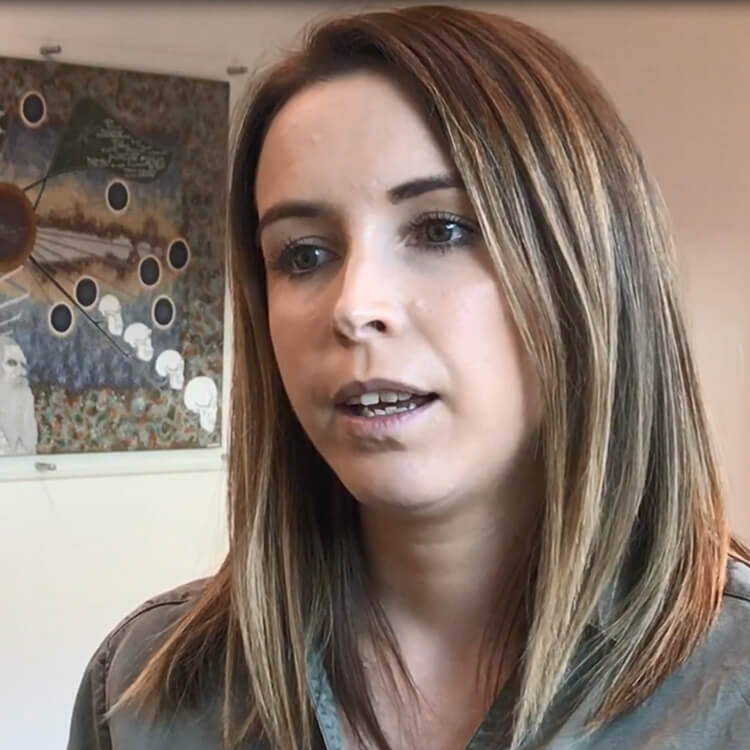
A study by The Kids has found children with a parent who has gone to prison are significantly more likely to have poor development outcomes.

The need for a WA Youth Health Policy has been evident for years. Now, with The Kids Research Institute Australia helping to drive the project, it is coming to fruition.

All parents want their children to be happy. But in our rapidly changing modern world what does that actually mean? Prof. Stephen Zubrick provides his top tips.