
Search
Rheumatic heart disease (RHD) is responsible for a significant burden of cardiovascular morbidity and mortality, and remains the most common cause of acquired heart disease among children and young adults in low-income and middle-income countries. Additionally, the global COVID-19 pandemic has forced the emergency restructuring of many health systems, which has had a broad impact on health in general, including cardiovascular disease.
Britta Regli-von Ungern-Sternberg AM FAHMS MD, PhD, DEAA, FANZA Chair of Paediatric anaesthesia, University of Western Australia; Consultant
Western Australian laboratory data demonstrated a decrease in human metapneumovirus detections through 2020 associated with SARS-CoV-2-related non-pharmaceutical interventions, followed by a subsequent surge in metropolitan region in mid-2021. We aimed to assess the impact of the surge in hMPV on paediatric hospital admissions and the contribution of changes in testing.
The COVID-19 pandemic has highlighted personal protective equipment (PPE) supply, distribution, and disposal issues worldwide. Calls to conserve PPE stocks and increase supply resulted in the rapid development of potential disinfection methods, with the possibility of improvements in medical waste reduction. However, how receptive health-care workers are to PPE reuse remains unknown. We aimed to examine the views of health-care workers who used PPE during the first COVID-19 wave in Aotearoa New Zealand, in relation to acceptability of PPE disinfection and reuse.
We investigated the effects of cause of death and the presence of prolonged grief disorder on eliciting public stigma toward the bereaved.
Culturally and Linguistically Diverse (CALD) groups within high-income countries are at risk of being left behind by the COVID-19 vaccination rollout. They face both access and attitudinal barriers, including low trust in government and health authorities.

A number of organisations have created COVID-19 resources specifically developed for Aboriginal and Torres Strait Islander people.
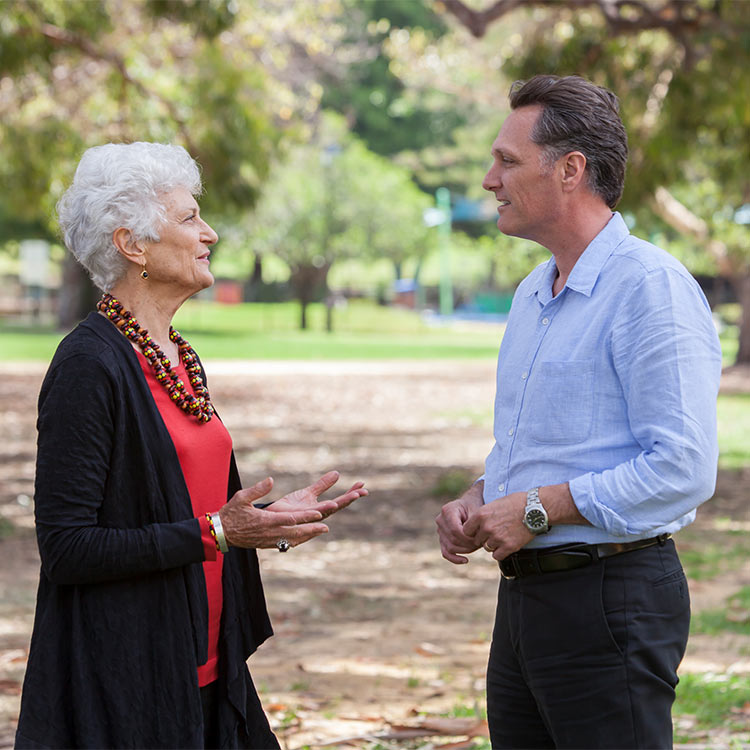
A letter to the WA public from Jonathan Carapetis and Fiona Stanley.
The Kids Research Institute Australia position on schools and COVID-19 in Western Australia
Engaging the community in COVID-19 rapid research