
Search

The WA Youth Awards 2023
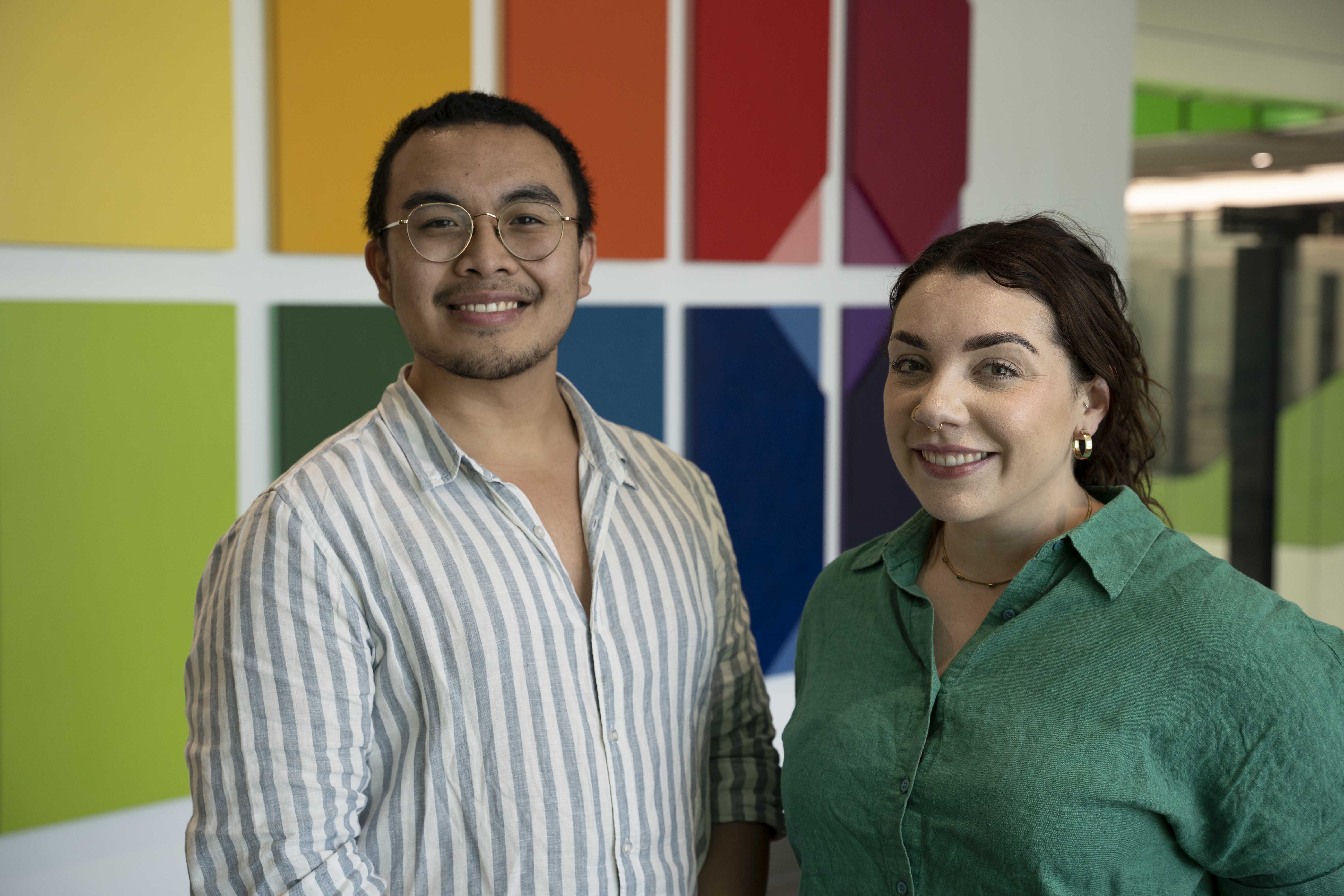
New research from Embrace @ The Kids Research Institute Australia's childhood trauma team Rigel Paciente and Alix Woolard reveals TikTok's benefits to LGBTQIA+ community
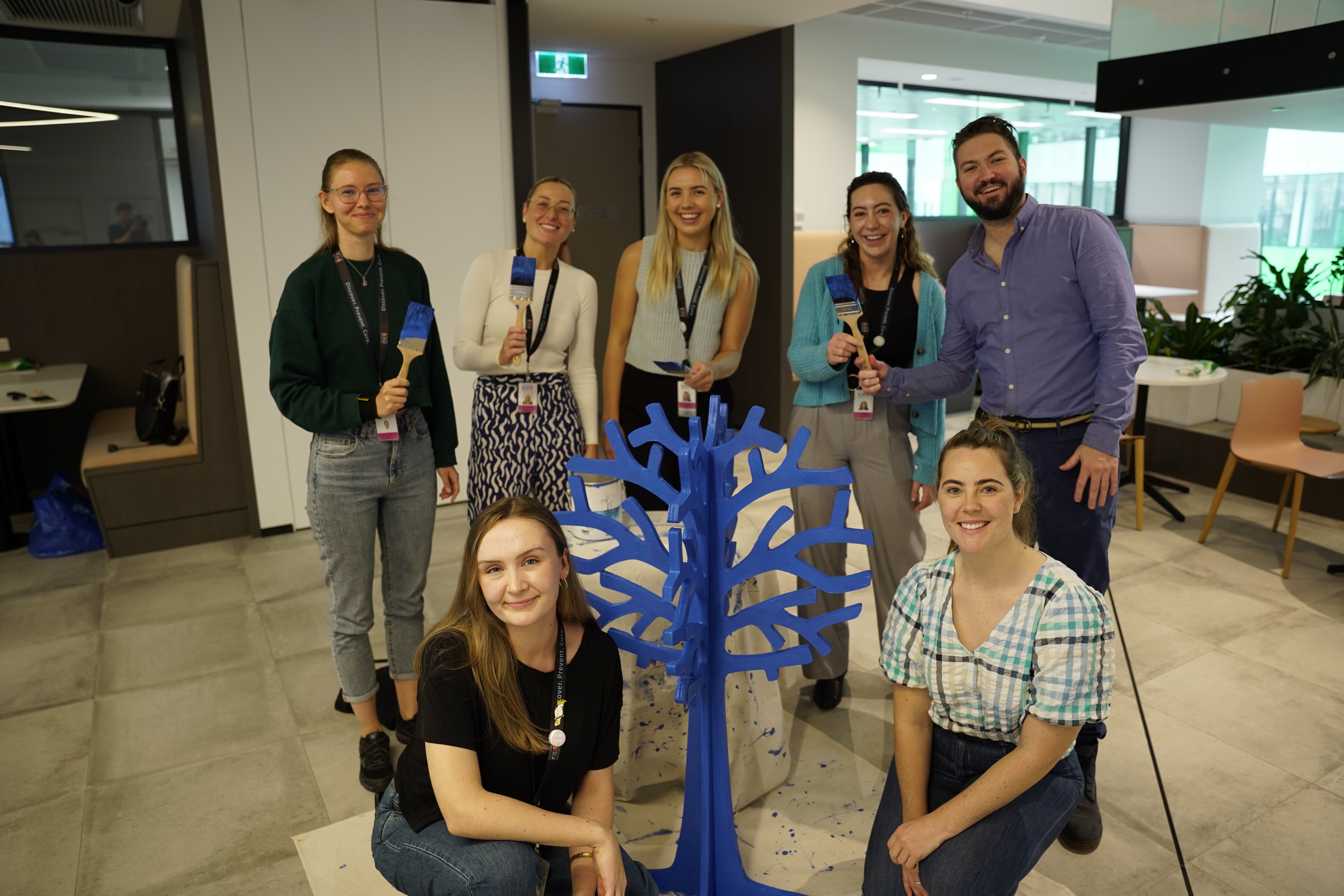
Blue Tree Project founder Kendall Whyte (bottom right) with staff at an event held with Embrace @ The Kids Research Institute Australia.
Embrace @ The Kids Research Institute Australia celebrates Wear It Purple Day with Rio Tinto
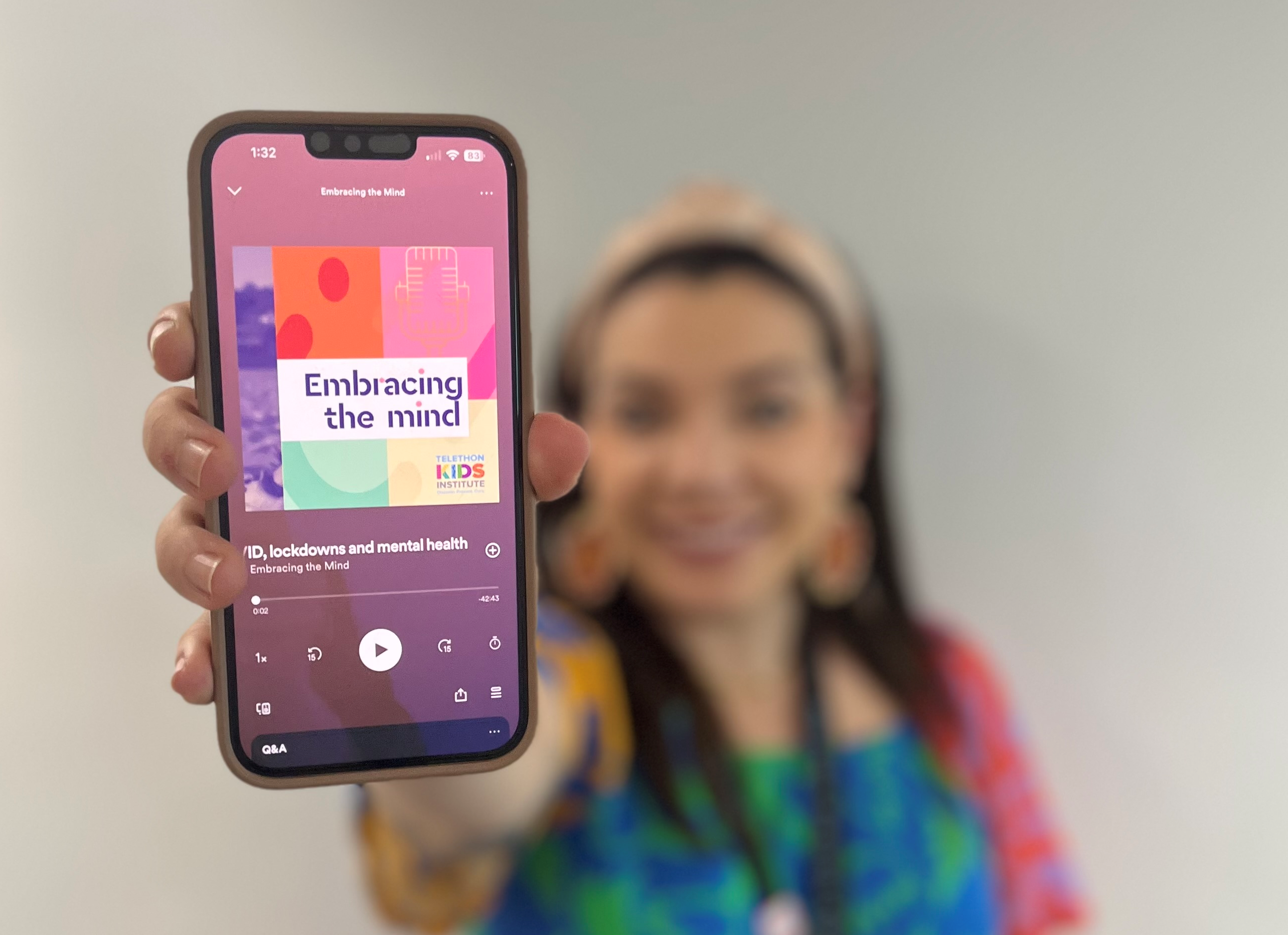
Embracing the Mind host Dr Alix Woolard.
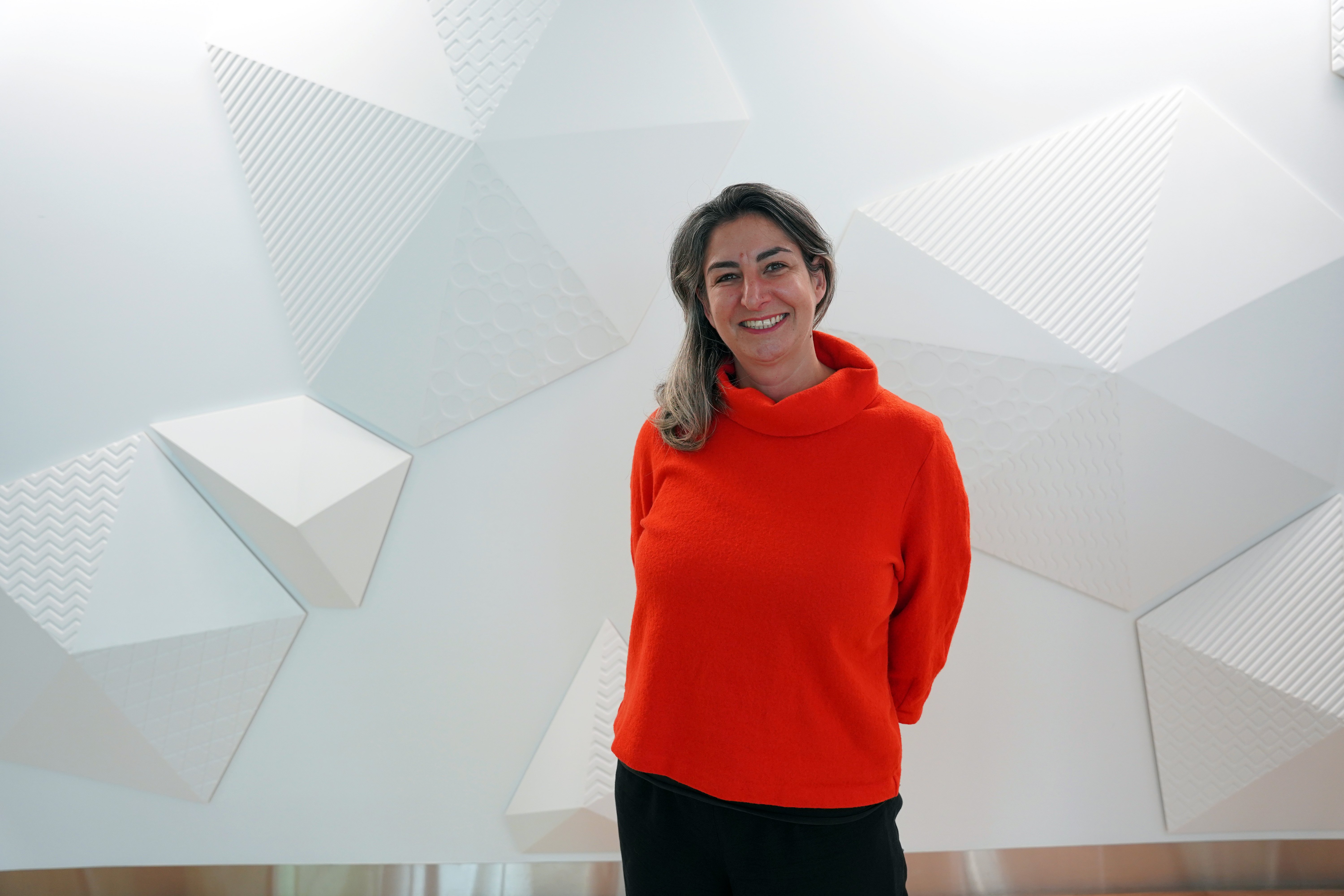
Professor Ashleigh Lin was nominated for the Mid-Career Scientist of the Year.
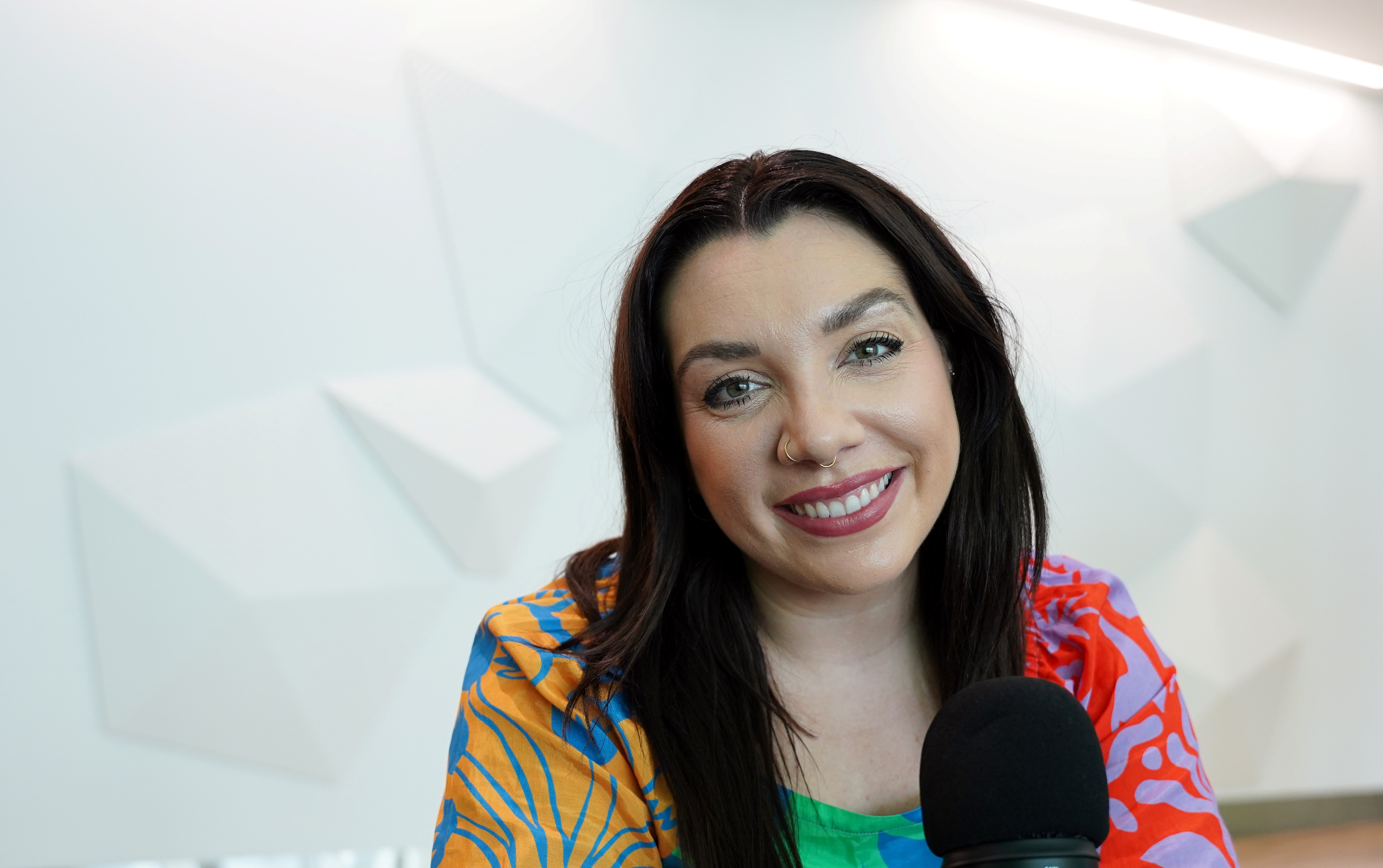
Embrace @ The Kids Research Institute Australia's Dr Alix Woolard is hosting our new podcast, Embracing the Mind
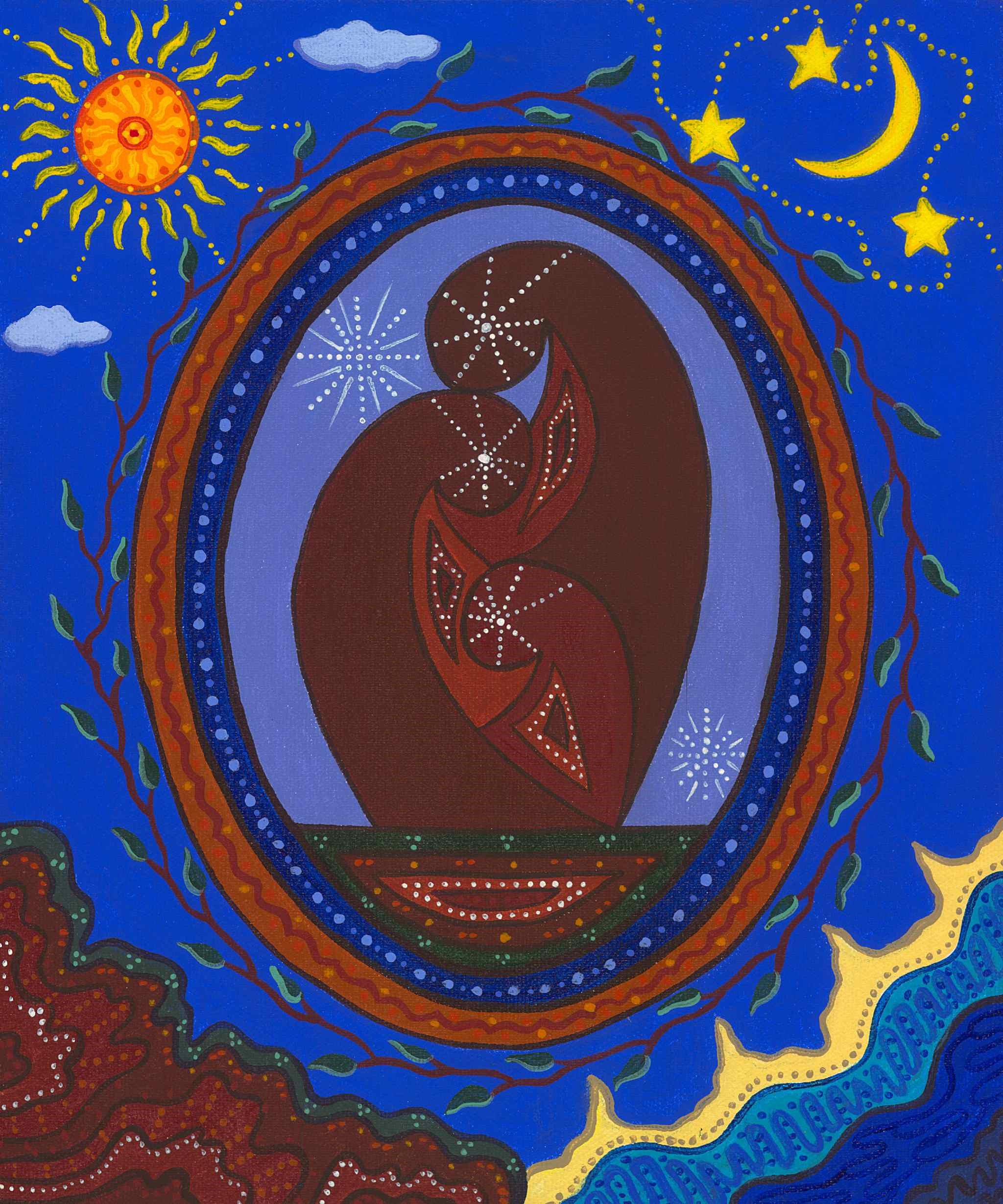
Family: Children are a gift, born from country into a family, ancestry and culture as enduring as the universe.
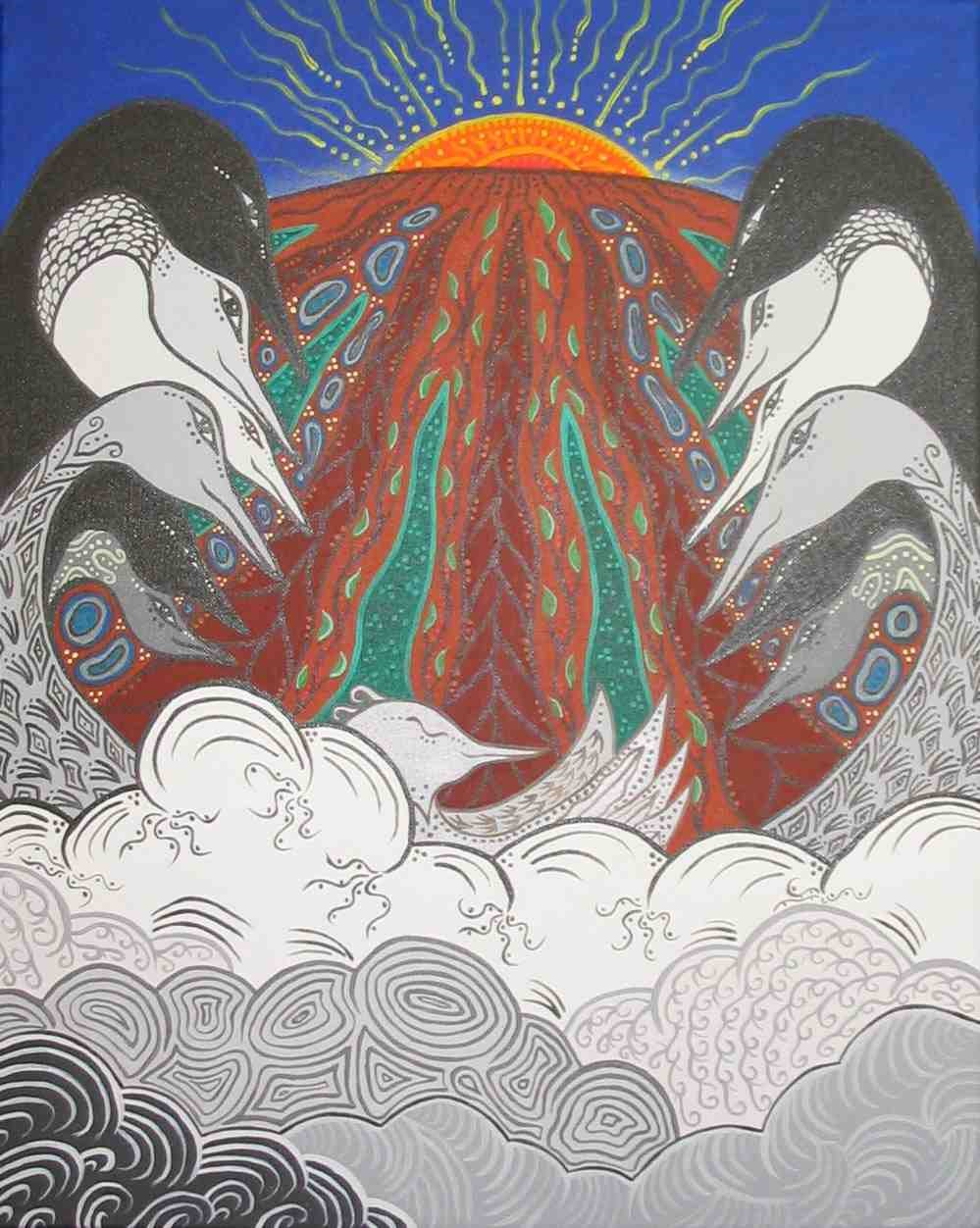
Embrace @ The Kids Research Institute Australia recognises Mental Health Awareness Week, running until June 18, with the theme of ‘bonding before birth’.
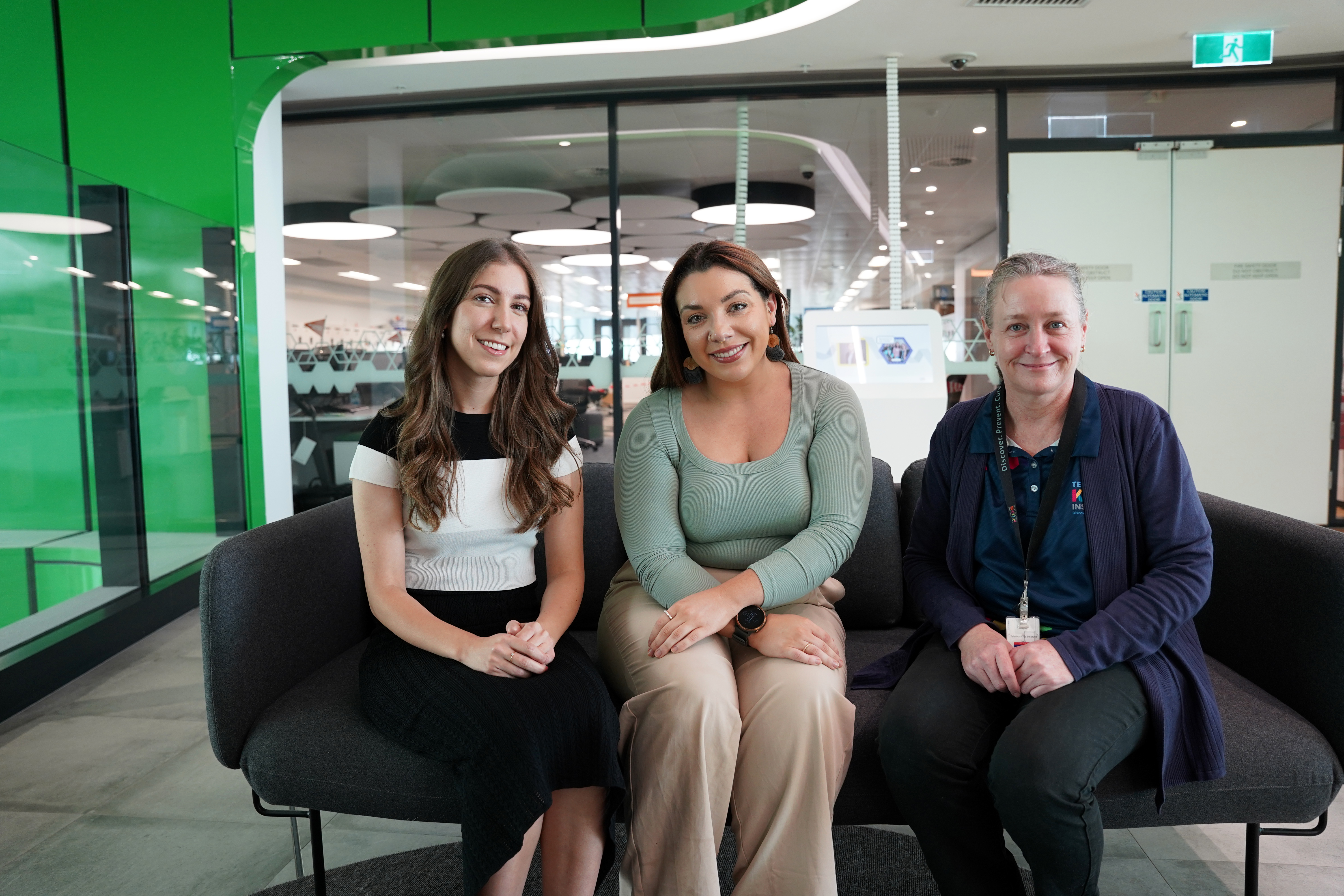
Three of the four 2023 Embrace Seeding Grant winners.