
Search
We aimed to assess and identify any gaps in antimicrobial stewardship resources and activities for all hospitalised children in Australia pre- and post- the COVID-19 pandemic
Obesity was a risk factor for severe COVID-19 in children during early outbreaks of ancestral SARS-CoV-2 and the Delta variant. However, the relationship between obesity and COVID-19 severity during the Omicron wave remains unclear.
This paper examines whether a Vitamin D deficiency during pregnancy affects the child's lung function predisposition towards lung disease such as asthma.
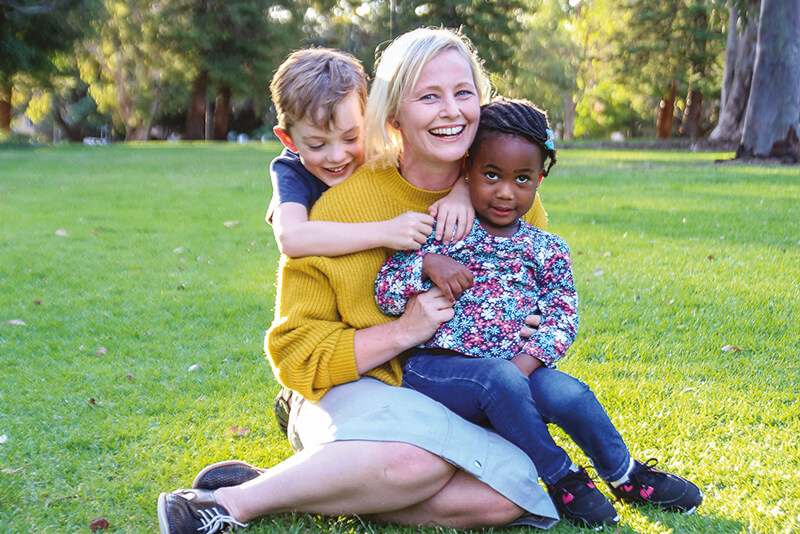
A lung function study carried out by Dr Shannon Simpson provided the most comprehensive follow-up of very pre-term children of any study so far carried out on the lung health of this vulnerable group.
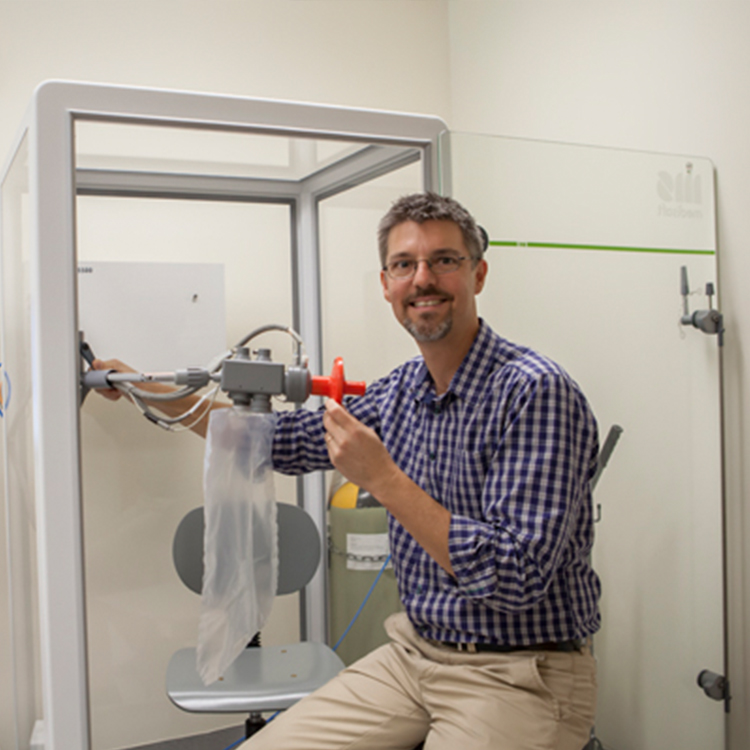
A global research network has taken another step towards standardising the way doctors interpret commonly used lung function tests.
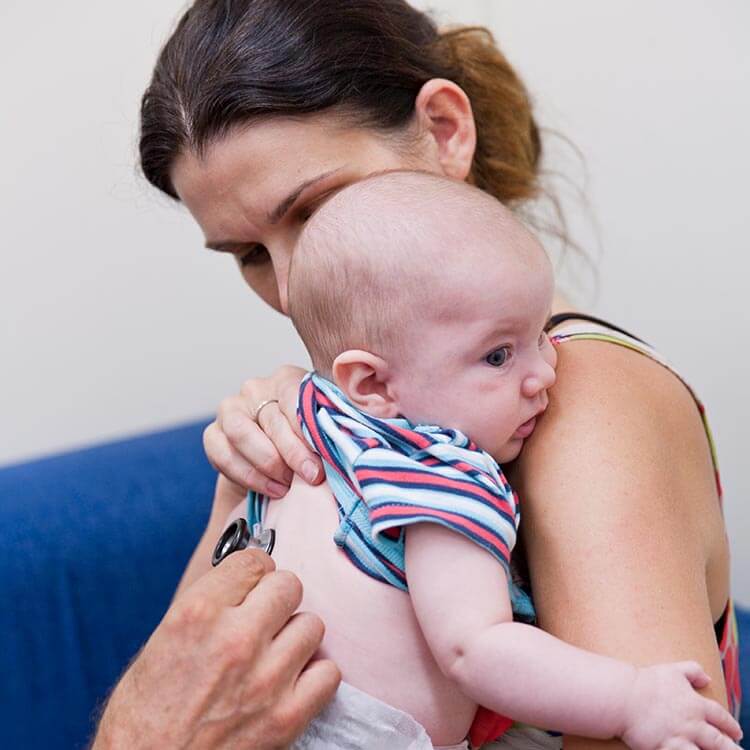
A groundbreaking WA trial, published in The Lancet, has determined that a laryngeal mask for babies is preferred over endotracheal tube during minor surgeries
This prospective, longitudinal cohort study will examine airway sputum, lung function, and clinical surveillance data of children with bronchiectasis attending Perth Children’s Hospital.
This research project will investigate the traits of preterm lung disease, looking into the long-term lung health of children born preterm, aiming to identify traits that could help guide better treatments in the future.
The PELICAN (Prematurity’s Effects on the Lungs in Children and Adults Network) Clinical Research Collaboration was launched by the European Respiratory Society (ERS) in 2020
Cystic fibrosis is an inherited condition that results in chronic lung disease. In recent years, a new type of medication called CFTR modulators has become available.
Clinical utility of home polysomnography in children with neuromuscular disorders is limited by lack of evidence that sleep-disordered breathing can be reliably identified and inability to diagnose hypoventilation because carbon dioxide is not measured.
There is no published information on preterm children's activities and participation during middle childhood, a time when growth and development are characterised by increasing motor, reasoning, self-regulation, social and executive functioning skills. This study explored the health, activities and participation of children born very preterm during middle childhood (6-9 years) from the perspectives of their parents.