
Search
The Western Australia (WA) Respiratory Infections Linked Data Platform is a population-based cohort established to investigate the epidemiology of RSV and other respiratory infections in children aged 0-10 years, incorporating microbiological testing patterns, hospital admissions, emergency department presentations, and socio-demographic data.
Invasive fungal disease (IFD) occurs less frequently during treatment for solid compared to hematological malignancies in children, and risk groups are poorly defined. Retrospective national multicenter cohort data (2004-2013) were analyzed to document prevalence, clinical characteristics, and microbiology of IFD.
From 1 January 2020 to 31 December 2021, thirty-eight institutions across Australia submitted data to the Australian Group on Antimicrobial Resistance (AGAR) from patients aged < 18 years (AGAR-Kids). Over the two years, 1,679 isolates were reported from 1,611 patients. This AGAR-Kids report aims to describe the population of children and adolescents with bacteraemia reported to AGAR and the proportion of resistant isolates.
Despite vaccination, influenza and otitis media (OM) remain leading causes of illness. We previously found that the human respiratory commensal Haemophilus haemolyticus prevents bacterial infection in vitro and that the related murine commensal Muribacter muris delays OM development in mice. The observation that M muris pretreatment reduced lung influenza titer and inflammation suggests that these bacteria could be exploited for protection against influenza/OM.
Skin scar formation following Bacille Calmette-Guérin (BCG) or smallpox (Vaccinia) vaccination is an established marker of successful vaccination and 'vaccine take'. Potent pathogen-specific (tuberculosis; smallpox) and pathogen-agnostic (protection from diseases unrelated to the intentionally targeted pathogen) effects of BCG and smallpox vaccines hold significant translational potential.
Early in the coronavirus disease 2019 (COVID-19) pandemic, evidence emerged that individuals with chronic and immunocompromising conditions faced increased risk of severe infection, including death. The Australian Government and public health authorities prioritised these citizens' access to vaccines, including them in phase 1b of the rollout from 22 March 2021.
Bacille Calmette-Guérin (BCG) vaccine has immunomodulatory effects that may provide protection against unrelated infectious diseases. We aimed to determine whether BCG vaccination protects adults against COVID-19.
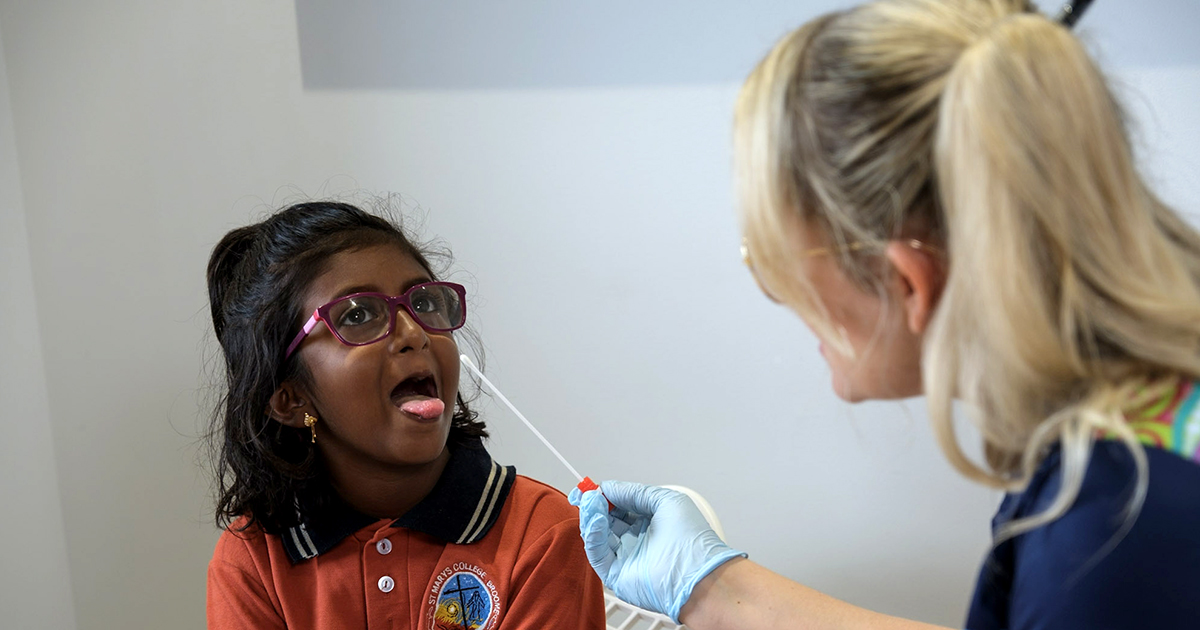
New research has revealed that molecular point-of-care testing (POCT) can significantly improve detection of Group A Streptococcal (Strep A) pharyngitis compared to laboratory culture – particularly in remote communities, where results can take up to seven days – unlocking a major opportunity to prevent rheumatic
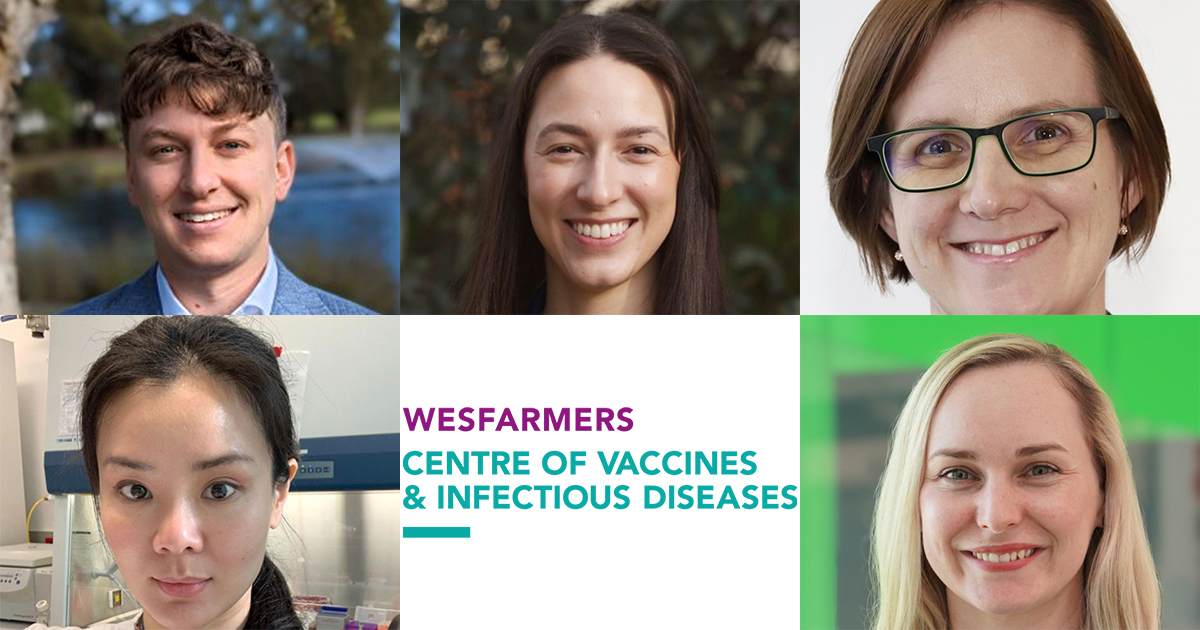
Congratulations to Alec Truswell, Tamara Veselinović, Anastasia Phillips, and Wenna Lee for being awarded Seed Funding through the Wesfarmers Centre of Vaccines & Infectious Diseases, each valued at up to $25,000, and to Sonia McAlister, the recipient of the 2026 Riley Hughes Memorial Award in Pertussis Research.
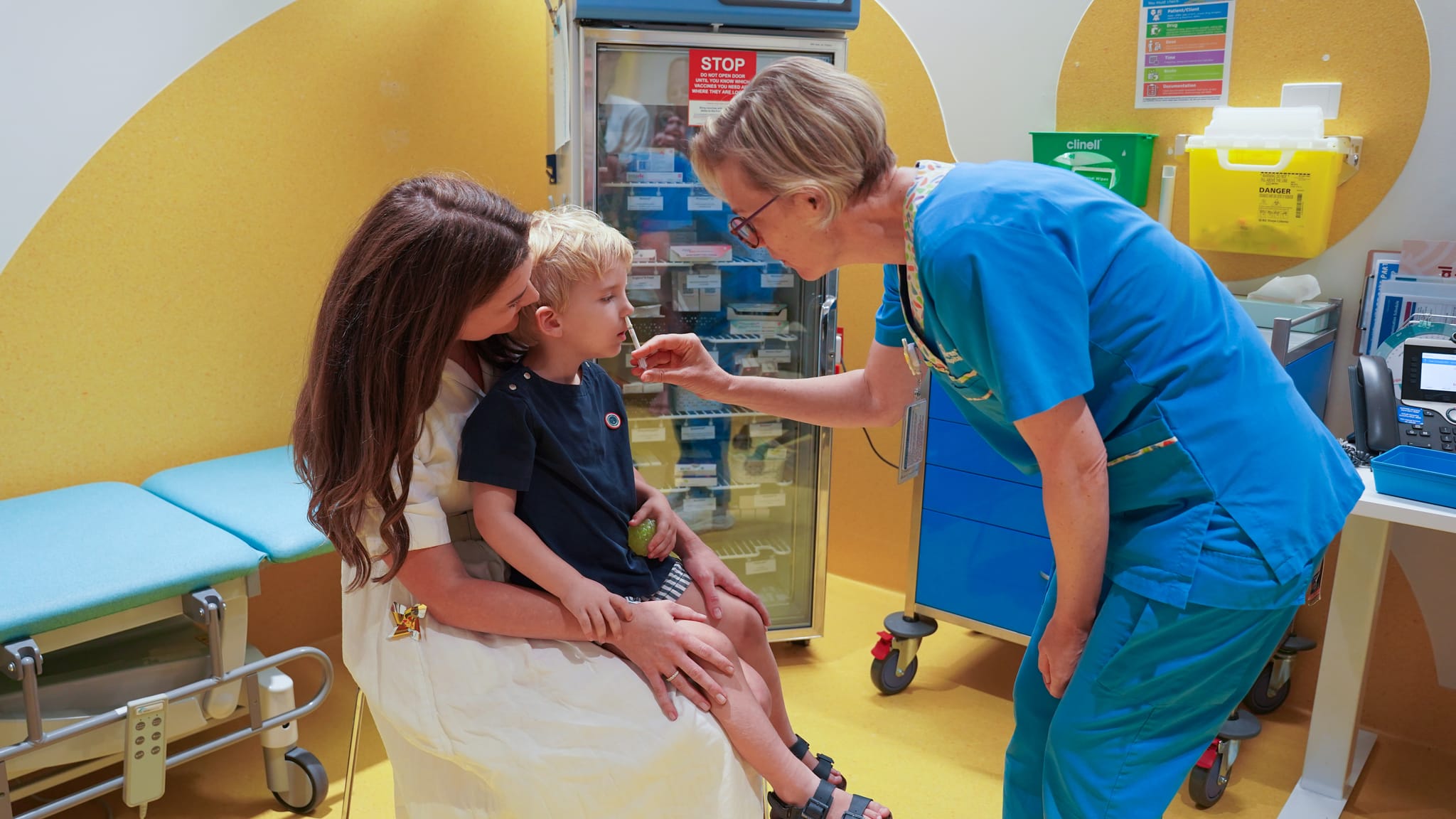
Researchers at The Kids Research Institute Australia hope an Australian-first nasal spray vaccine for two to 11-year-olds will boost flu vaccination this winter.