
Search
Medulloblastoma (MB) is the most common type of malignant childhood brain tumour.
Medulloblastoma (MB) is the most common malignant brain tumor in children and a leading cause of cancer-related mortality and morbidity.
Medulloblastoma (MB) is the most common malignant brain tumor in children and a leading cause of cancer-related mortality and morbidity.
With improvement in leukemia therapy, central nervous system (CNS) tumors are the leading cause of cancer mortality in children and the most expensive...
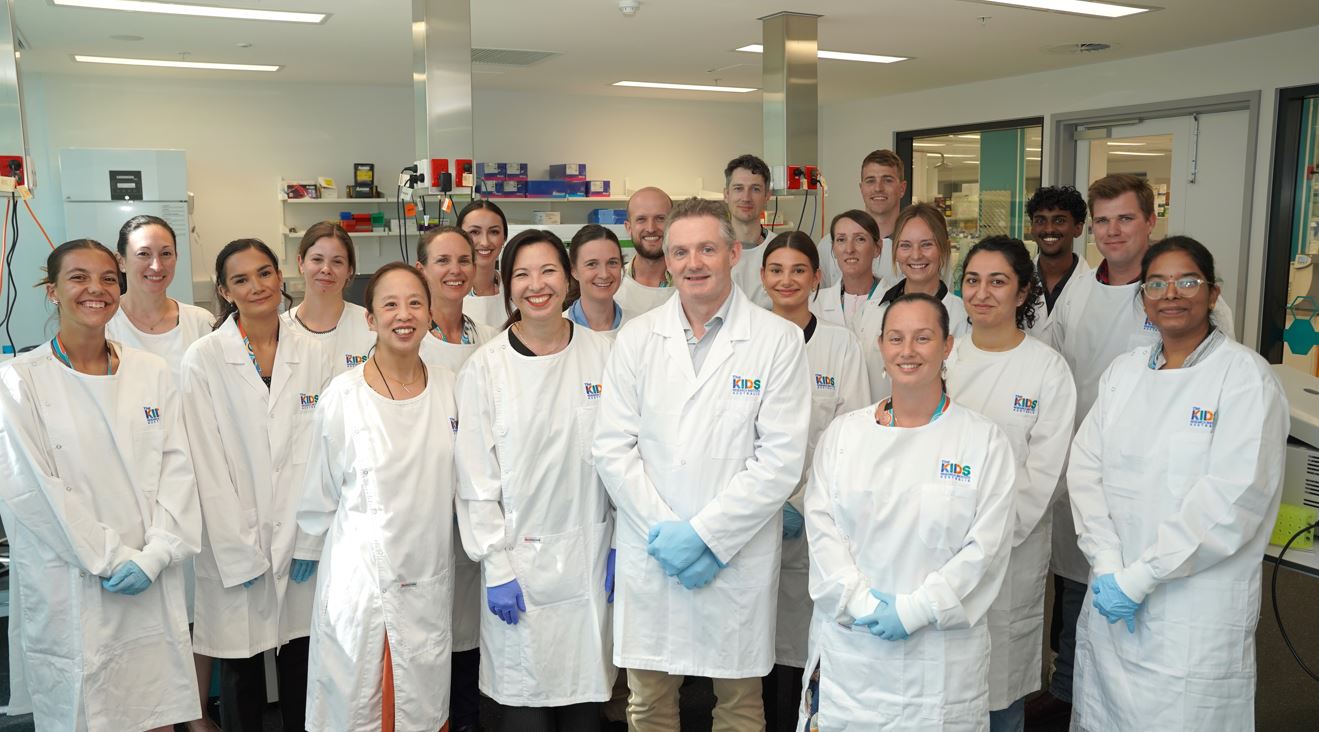
We strive for a future where no child will die from brain cancer because we have developed new therapies that will cure their disease.
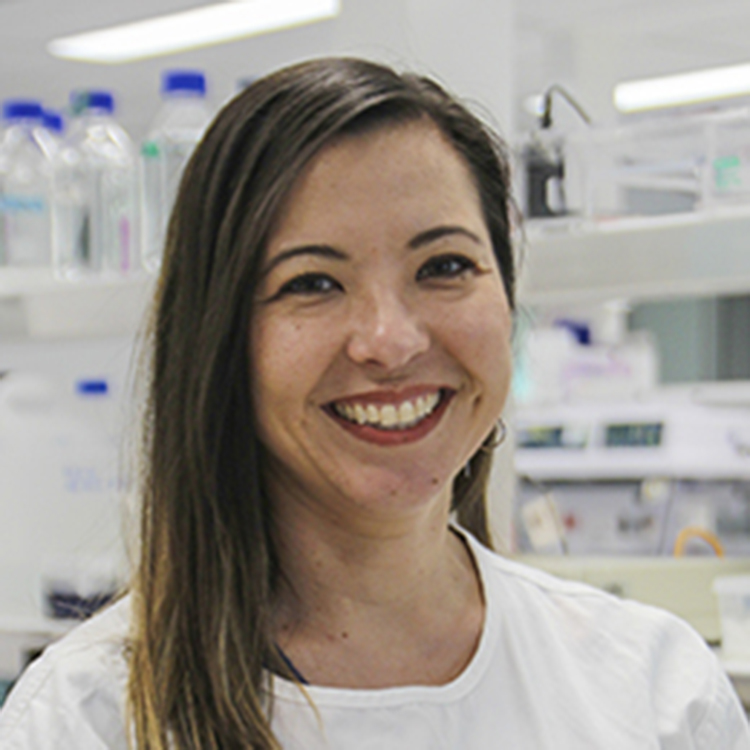
Co-Head, Brain Tumour Research

Head of Paediatric and Adolescent Oncology and Haematology, Perth Children’s Hospital; Co-head, Brain Tumour Research Program, The Kids Research Institute Australia
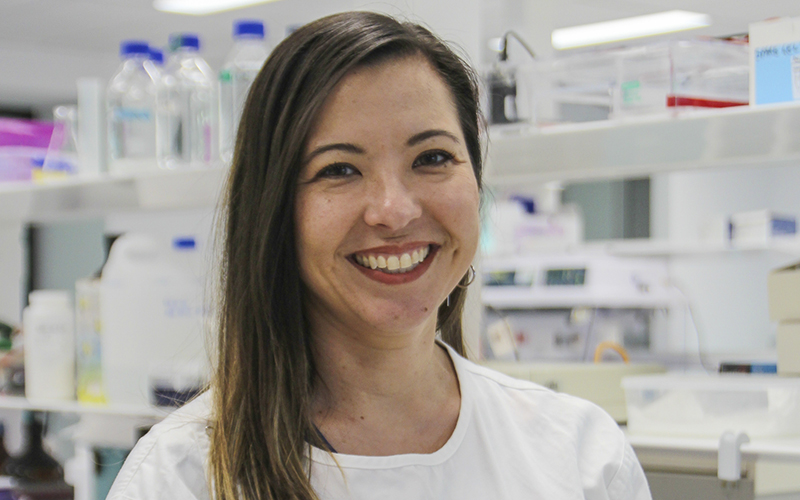
The Kids Research Institute Australia researcher, Dr Raelene Endersby, will work to develop less toxic treatments for children with brain cancer, thanks to support from Cancer Council WA.
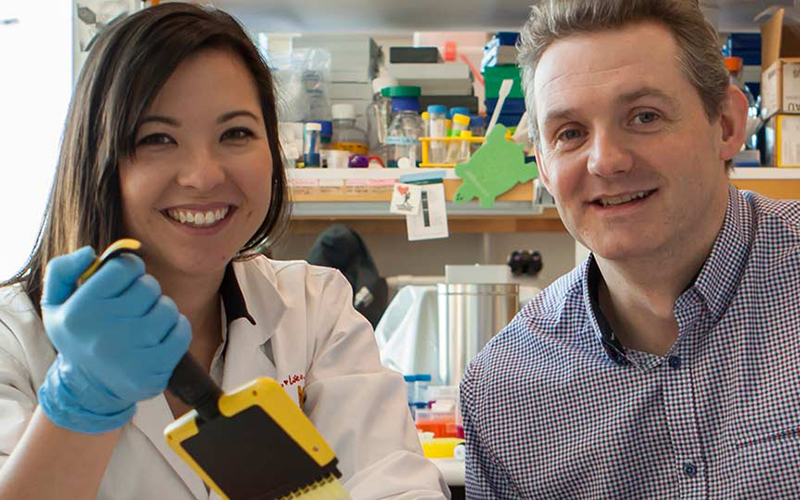
A new combination of drugs could help to increase survival rates with fewer side effects for some children with one of the most aggressive forms of childhood brain cancer.
While profound treatment responses have been realised using immunotherapy for some cancer types, this is yet to be seen for paediatric brain cancer patients.