
Search
Nasal epithelial cells from very preterm infants have a functional defect in their ability to repair beyond the first year of life, and failed repair may be associated with antenatal steroid exposure.
Children with asthma face serious mental health risk, but the pathways remain unclear. This study aimed to examine bullying victimisation and perpetration in children with asthma and a comparison sample without a chronic health condition, and the role of bullying in moderating psychosocial adjustment outcomes for those with asthma. A sample of children with and without asthma, and their parents, were recruited from hospital clinics.
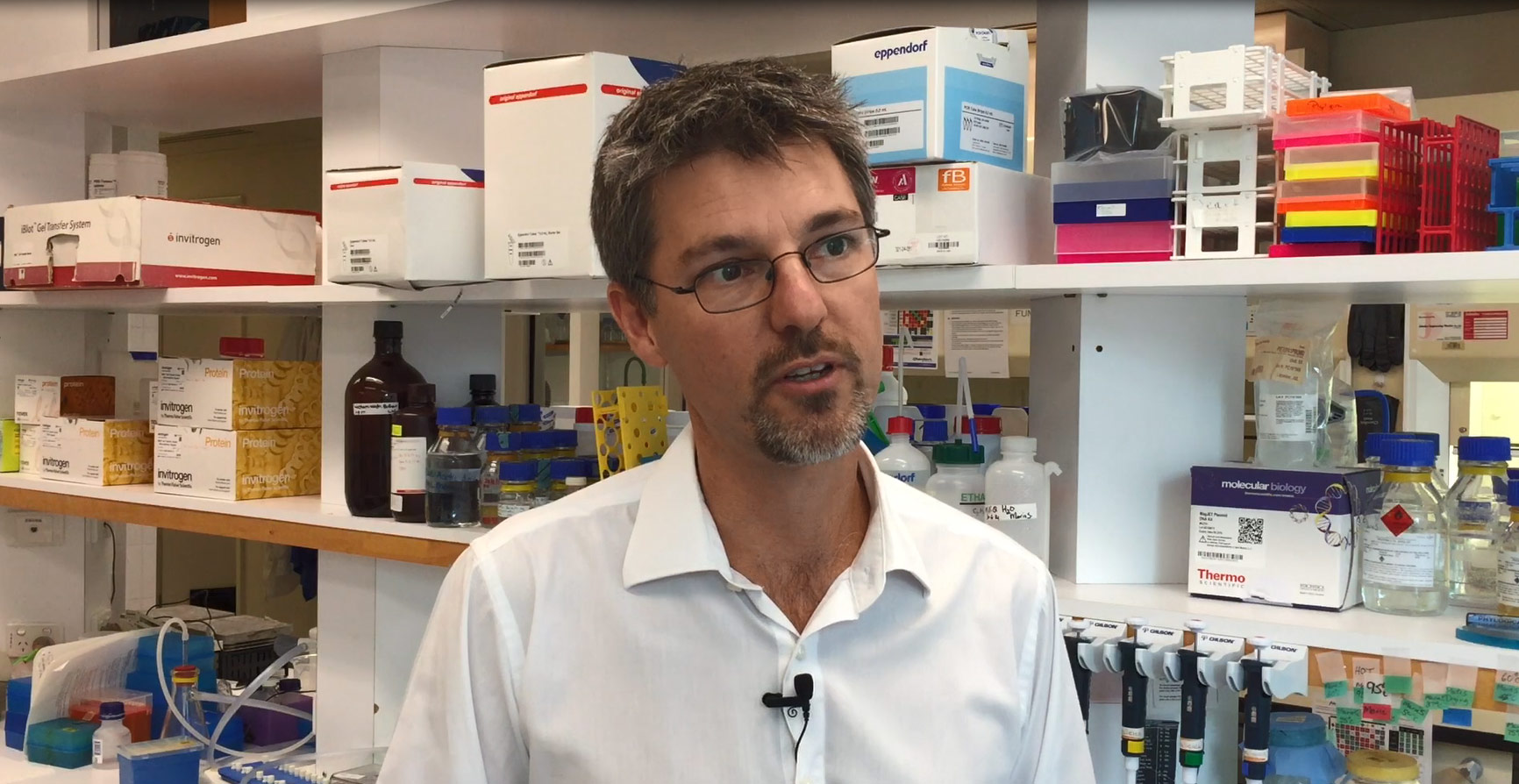
Asthma affects about half a million Australian children and is one of the most common reasons why kids need to see a doctor or go to emergency.
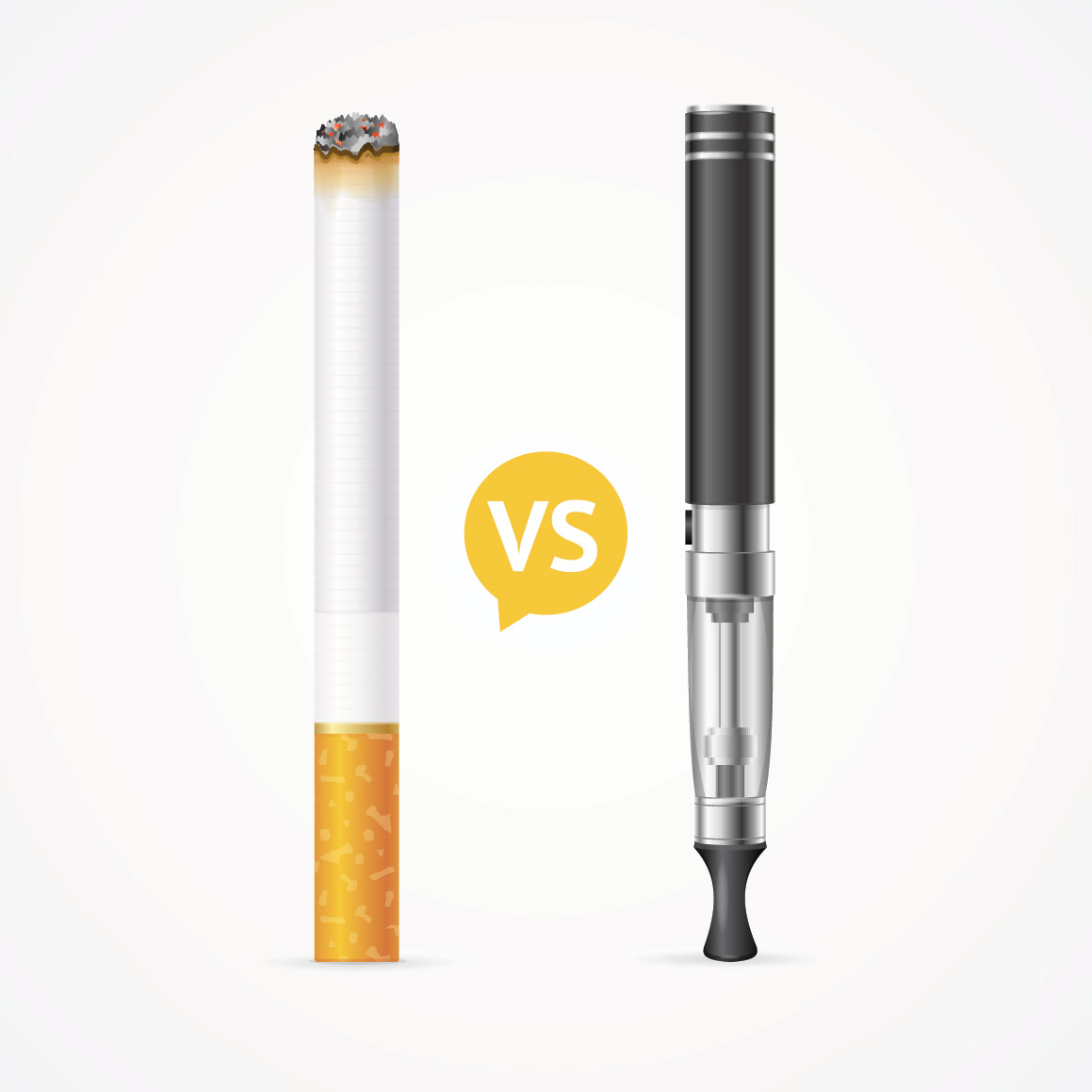
A study led by researchers at The Kids Research Institute Australia has shown that electronic cigarettes can cause lung damage.

New research from Perth’s The Kids Research Institute Australia shows that babies born premature continue to have lung problems well into childhood.
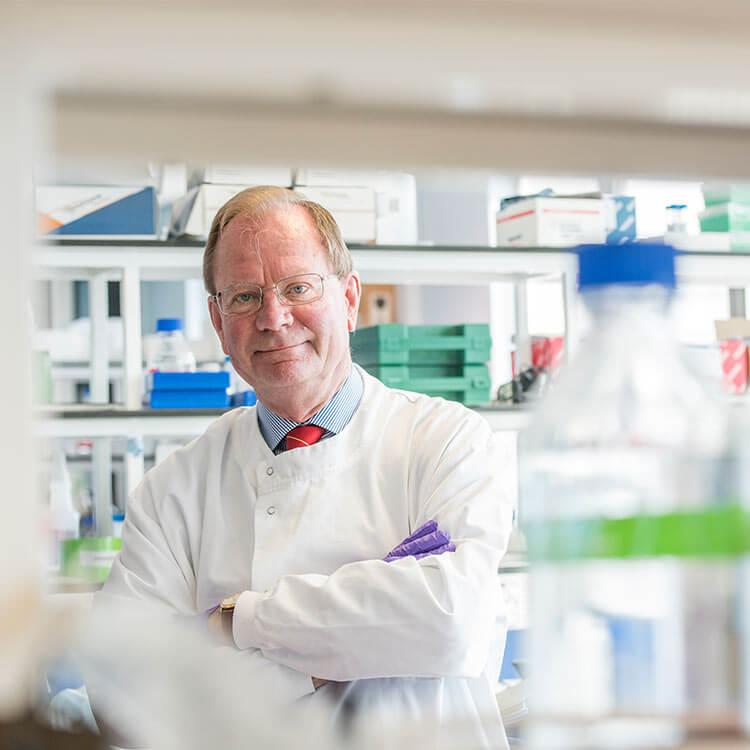
Join us for our Annual Community Lecture entitled "You Are What You Breathe" with Professor Stephen Holgate.
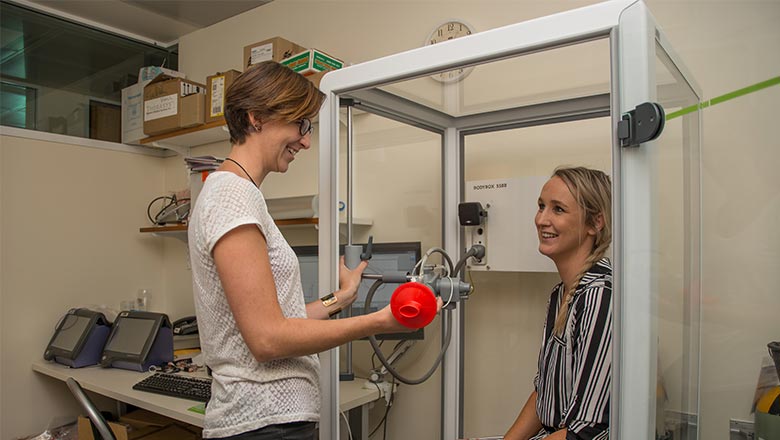
Researchers are urging caution in the use of a widely accepted test for diagnosing asthma, after their study found it may not be accurate in some settings.
The AIRWAY-Preterm cohort is one of the most robust, well-studied cohorts in the world!
Acinar ventilation inhomogeneity measured by single-breath washout was not associated with structural lung disease on CT
Spacer device was not associated with clinically important differences in lung function following bronchodilator inhalation in children with asthma