
Search
It's normal for children and teenagers to experience a range of emotions, including sadness, however childhood depression is more than just feeling sad.
Each day of school missed makes a difference, with the effect on learning accumulating over time. From an early age, if children are taught that they need to 'show up' for school and make a commitment, this positive mentality aids academic and career success and brings benefits in adulthood.
A lifelong auto-immune condition that can affect anyone, but is most commonly diagnosed in childhood.
Food allergies have become more common in our community, with up to one in ten young children now affected. Reactions can range from mild hives to life threatening anaphylaxis and breathing difficulties. The most common food allergies are to egg, peanut, tree nuts, cow’s milk, fish, shellfish, sesame, wheat and soy.
Convenient, readily available and helping create a close and loving bond between baby and mother, breastfeeding is highly regarded for optimising infant health and preventing chronic disease in adulthood.
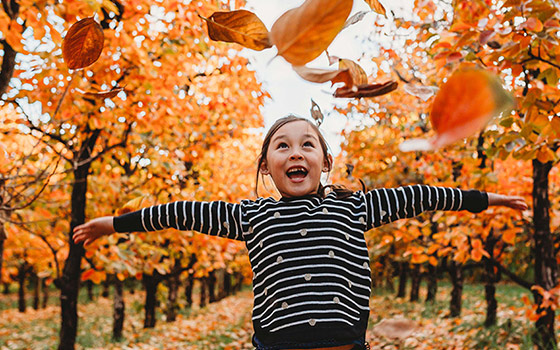
Tourette syndrome is a neurodevelopmental disorder characterised by uncontrollable movements and vocalisations known as tics.
Our skin, the body’s largest organ, protects us and maintains overall health. Untreated recurring skin infections like impetigo and scabies severely impact children. The Kids is at the forefront of combatting skin infections, particularly within remote Aboriginal communities experiencing some of the world’s highest rates.
Middle ear infections are one of the main reasons that children visit a GP, are prescribed antibiotics and need surgery. Aboriginal children are particularly susceptible and commonly suffer from hearing loss which can affect speech and learning.
In a sunny country such as Australia, it’s important to identify how to achieve the right amount of sun exposure for good health. We need to be able to harness the benefits of vitamin D and sunlight while remaining protected from the proven dangers of too much UV radiation.
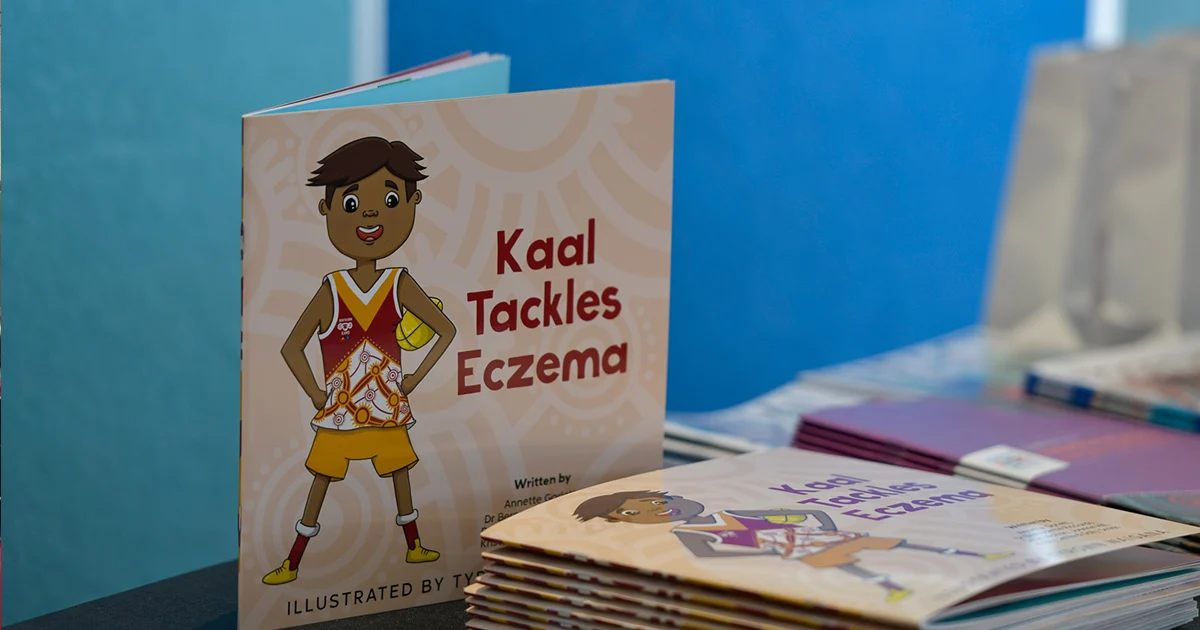
In close partnership with Aboriginal Elders and community members in Western Australia's south-west, we created ‘Kaal Tackles Eczema’, a children’s book to help Aboriginal families manage eczema. Our research showed a high prevalence and need for culturally relevant resources. The book uses Noongar language and art to educate and reduce infections, and is available online and in schools.