
Search
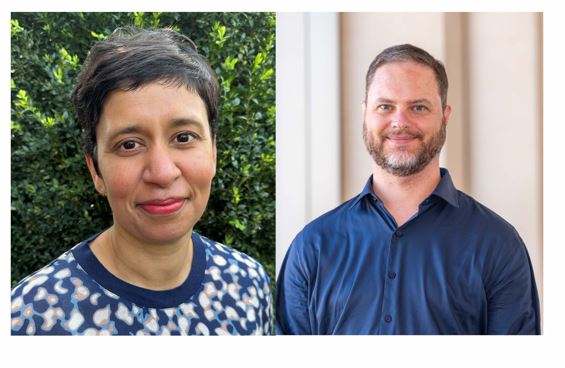
Read about the management staff of the Children's Diabetes Centre, Dr Charles Czank and Nirubasini Paramalingam.
with Leah Pascoe
To celebrate International Clinical Trials Day, we are highlighting some of the current trials underway at the Children's Diabetes Centre at the Kids Research Institute Australia and Perth Children's Hospital and thanking all the diabetes community who have said yes to diabetes research.
It’s hard to believe that the DiabHQ app has been available to WA families living with T1D for over 6 months already! Since the launch in November, 2025, the DiabHQ team have been adding new features and making the app even better.
We’re looking for more community members to help with our exciting next phase of the DiabHQ mobile app
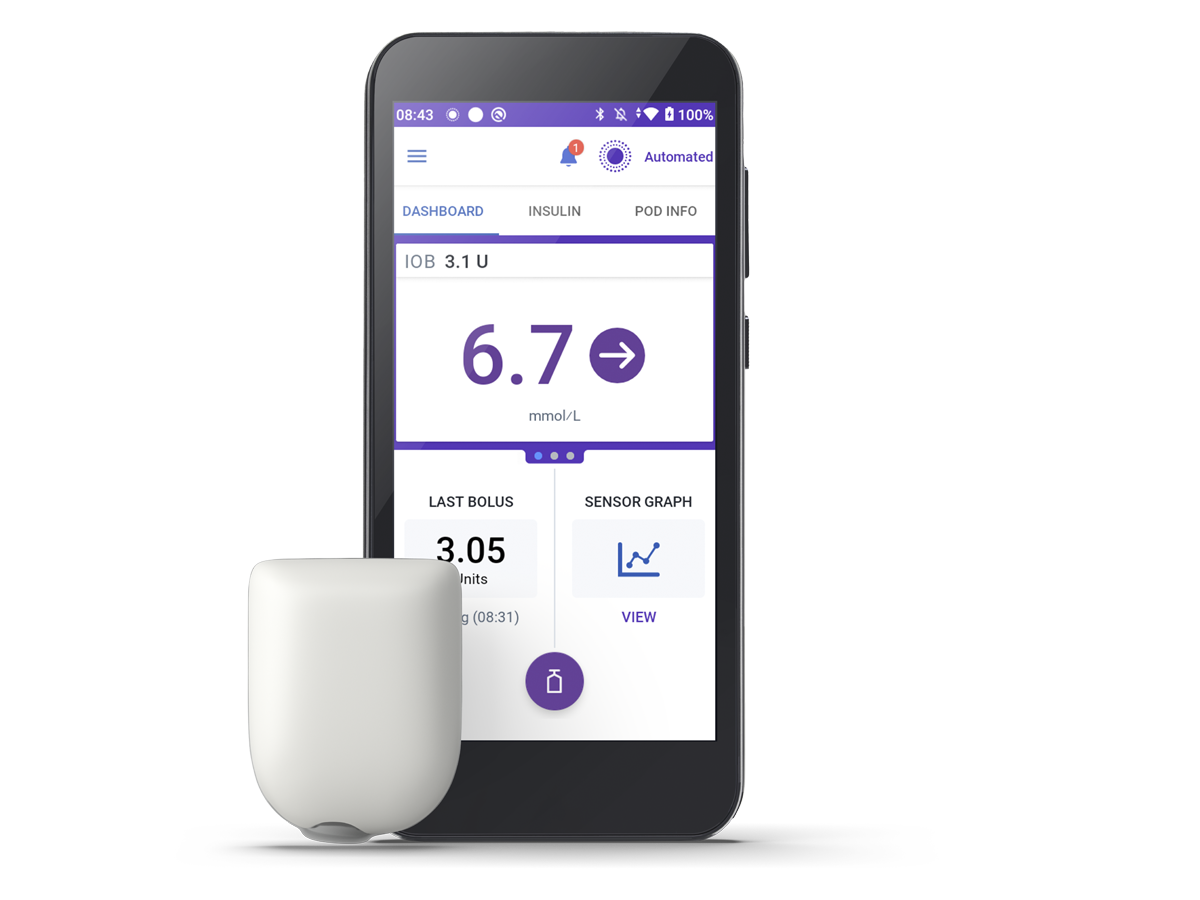
The research team at Perth Children's Hospital and the Children's Diabetes Centre are looking for participants to be involved in the new Omnipod 5 study
The Rio Tinto Children’s Diabetes Centre; a Breakthrough T1D Centre of Excellence announces $40,000 in new round of seed grants for researchers dedicated to type 1 diabetes (T1D).
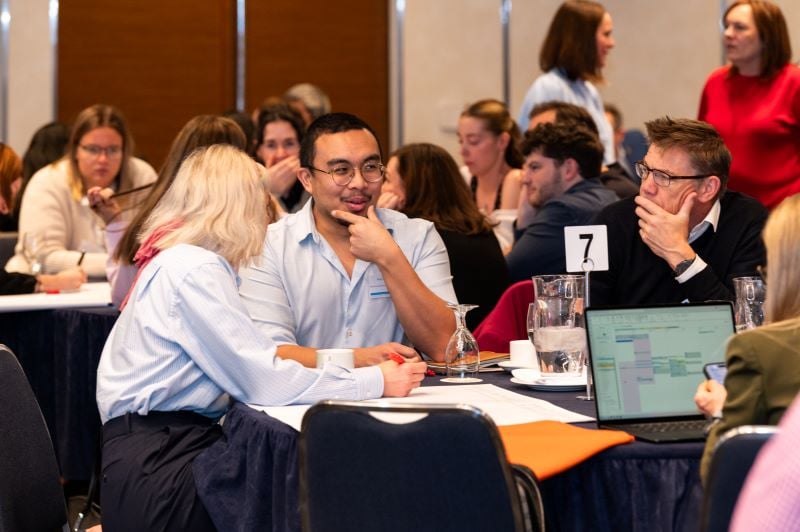
The Rio Tinto Children's Diabetes Centre; a Breakthrough T1D Centre of Excellence is excited to announce that the Capacity Building Grants are now open to all staff, students and collaborators across the Centre.
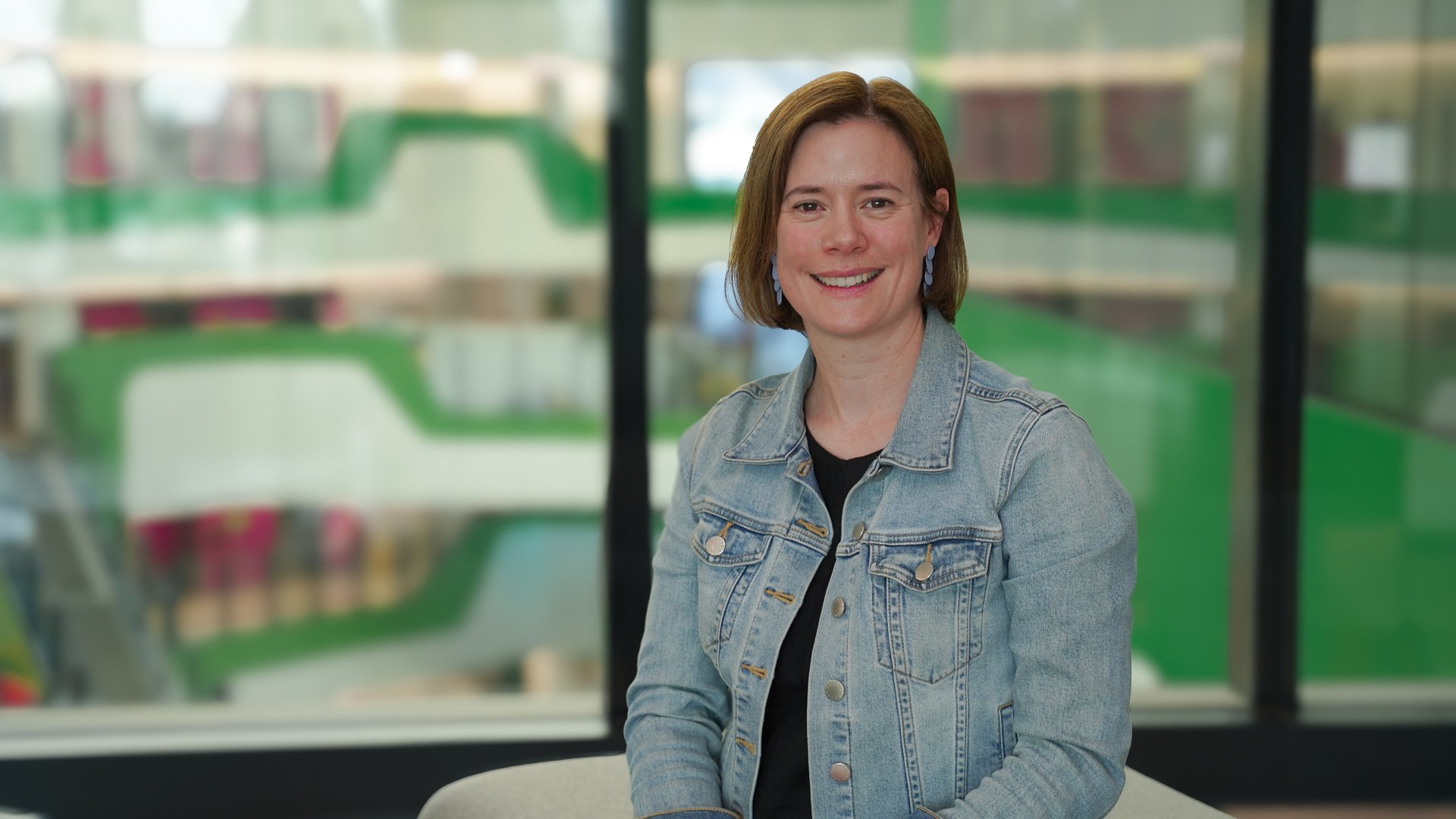
This fellowship is for her research that aims to improve mental health and wellbeing outcomes for young people and their families living with type 1 diabetes (T1D).

Did you know that we now have a 'triage' section on the DiabHQ app with useful documents and a FAQs page.