
Search
Tuberculosis (TB) is the leading global cause of death from a single infectious agent. Recent reductions in global health funding have threatened TB control, making comprehensive assessment of TB, HIV-related TB, and drug-resistant TB burdens before these disruptions essential for shaping effective responses.
Detailed, comprehensive, and timely reporting on population health by underlying causes of disability and premature death is crucial to understanding and responding to complex patterns of disease and injury burden over time and across age groups, sexes, and locations. The availability of disease burden estimates can promote evidence-based interventions that enable public health researchers, policy makers, and other professionals to implement strategies that can mitigate diseases.
Future trends in disease burden and drivers of health are of great interest to policy makers and the public at large. This information can be used for policy and long-term health investment, planning, and prioritisation. We have expanded and improved upon previous forecasts produced as part of the Global Burden of Diseases, Injuries, and Risk Factors Study (GBD) and provide a reference forecast (the most likely future), and alternative scenarios assessing disease burden trajectories if selected sets of risk factors were eliminated from current levels by 2050.
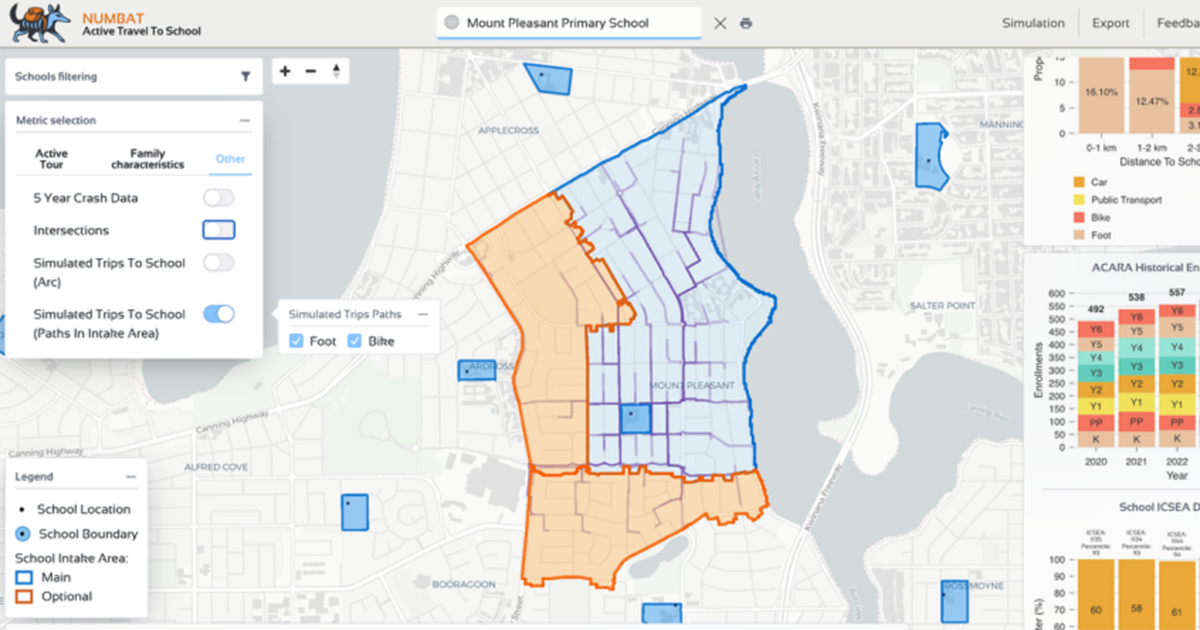
A powerful new digital modelling tool is helping tackle an emerging challenge in children’s health – the dramatic decline in walking and cycling to school.
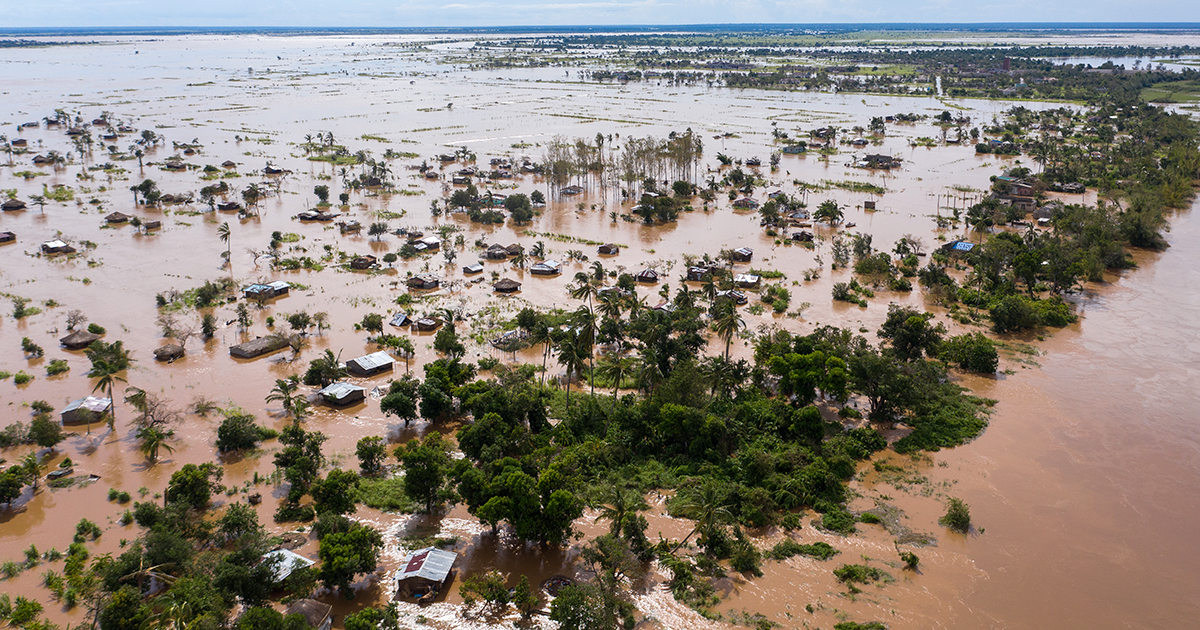
World-first research from The Kids Research Institute Australia and Curtin University predicts climate change could trigger more than 100 million additional malaria cases and 500,000 additional deaths in Africa by 2050, including substantial impacts on children.
Since its inception in 2005, the US President's Malaria Initiative (PMI) has played a major role in the reductions in malaria morbidity and mortality observed across Africa. With the status of PMI funding and operations currently uncertain, we aimed to quantify the impact that a fully functioning PMI would have on malaria cases and deaths in Africa during 2025.
Knowing when and where infected mosquitoes bite is required for estimating accurate measures of malaria risk, assessing outdoor exposure, and designing intervention strategies. This study combines secondary analyses of a human behaviour survey and an entomological survey carried out in the same area to estimate human exposure to malaria-infected Anopheles mosquitoes throughout the night in rural villages in south-eastern Tanzania.
Although most people born this century will be educated in African schools, these schools often lack basic infrastructure, such as electricity and/or lighting. In the face of a rapidly growing school-age population in Africa, the electrification of educational facilities is not just an infrastructural challenge but also a pivotal investment in the continent’s future workforce.
Namibia, a low malaria transmission country targeting elimination, has made substantial progress in reducing malaria burden through improved case management, widespread indoor residual spraying and distribution of insecticidal nets. The country's diverse landscape includes regions with varying population densities and geographical niches, with the north of the country prone to periodic outbreaks.
The implications of climate change for malaria eradication this century remain poorly resolved. Many studies focus on parasite and vector ecology in isolation, neglecting the interactions between climate, malaria control and the socioeconomic environment, including disruption from extreme weather. Here we integrate 25 years of African data on climate, malaria burden and control, socioeconomic factors, and extreme weather.