
Search
Previous studies have suggested that clear HbA1c target setting by the diabetes team is associated with HbA1c outcomes in adolescents. The aim of this study was to evaluate whether this finding is consistent in a larger cohort of children from centers participating in the SWEET international diabetes registry. A questionnaire was sent out to 76 SWEET centers, of which responses from 53 pediatric centers were included (70%). Descriptive outcomes were presented as median with lower and upper quartile.
To examine if skin autofluorescence differed in early adulthood between individuals with type 1 diabetes and age-matched controls and to ascertain if sAF aligned with risk for kidney disease.
In individuals with type 1 diabetes, chronic hyperglycaemia impairs aerobic fitness. However, the effect of acute marked hyperglycaemia on aerobic fitness is unclear, and the impact of insulin level has not been examined. In this study, we explored if acute hyperglycaemia with higher or low insulin levels affects [Formula: see text] and other exercise performance indicators in individuals with type 1 diabetes.

"This system definitely helped with my diabetes management, especially overnight, and helped to keep my blood sugars as stable as possible which was fantastic,"
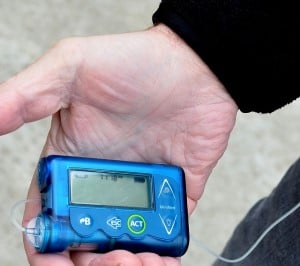
The study involved screening young people to learn more about the development of long-term kidney, eye and cardiovascular complications in adolescents with T1D.
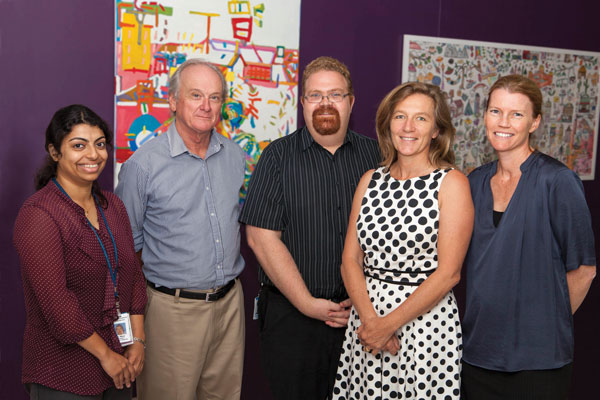
Researchers led by the team at the Children’s Diabetes Centre at The Kids have taken a key step to a fully automated closed-loop insulin delivery system.
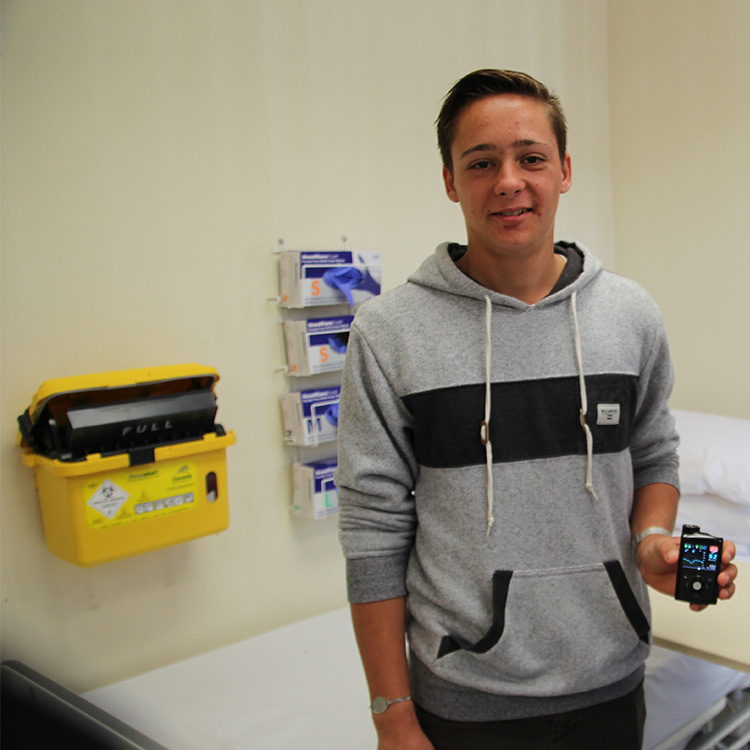
The Children’s Diabetes Centre at The Kids Research Institute Australia is leading the longest and largest at-home trial of a hybrid closed-loop insulin pump system.
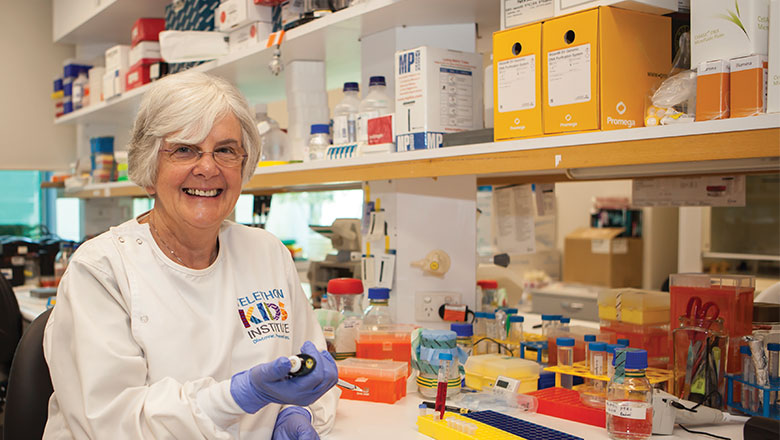
Winning the support of a remote Aboriginal community paved the way for a pioneering genetics study.
The Kids Research Institute Australia have shown that genetic variations that influence BMI and diabetes are similar to those in non-Aboriginal populations.
New research from Perth's The Kids Research Institute Australia has shown the local relevance of a worldwide pattern of increased risk of childhood type 1 diabetes.