
Search
The Australian National Healthy Skin Guideline summarises evidence-based treatment of impetigo, scabies and fungal infections in high burden settings
The Group A β-hemolytic Streptococcus pharyngeal carriage rates seen in Uganda (15.9%) are higher than the most recent pooled results globally, at 12%
Health service utilisation in this setting may be enhanced by improving general awareness of the significance of childhood skin infections
There is low coverage of the multivalent M protein vaccine in our setting, emphasizing the need to reformulate the vaccine to improve coverage
Skin infection burden in remote Aboriginal communities can be reduced by the See, Treat, Prevent (SToP skin sores and scabies) trial
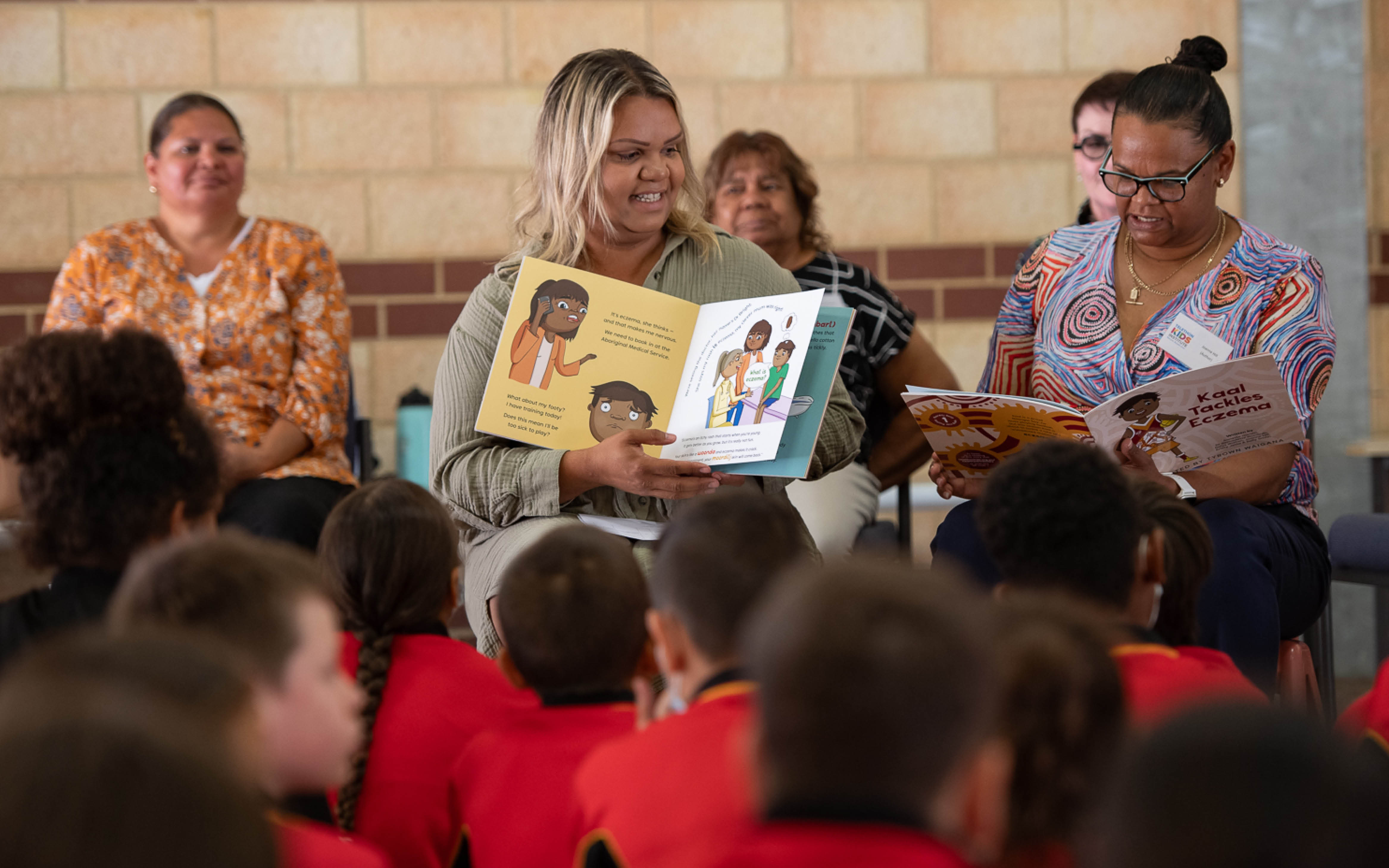
Our aim is for all kids to have healthy skin. We work with communities to reduce the burden of Strep A skin sores and sore throats to prevent rheumatic fever.
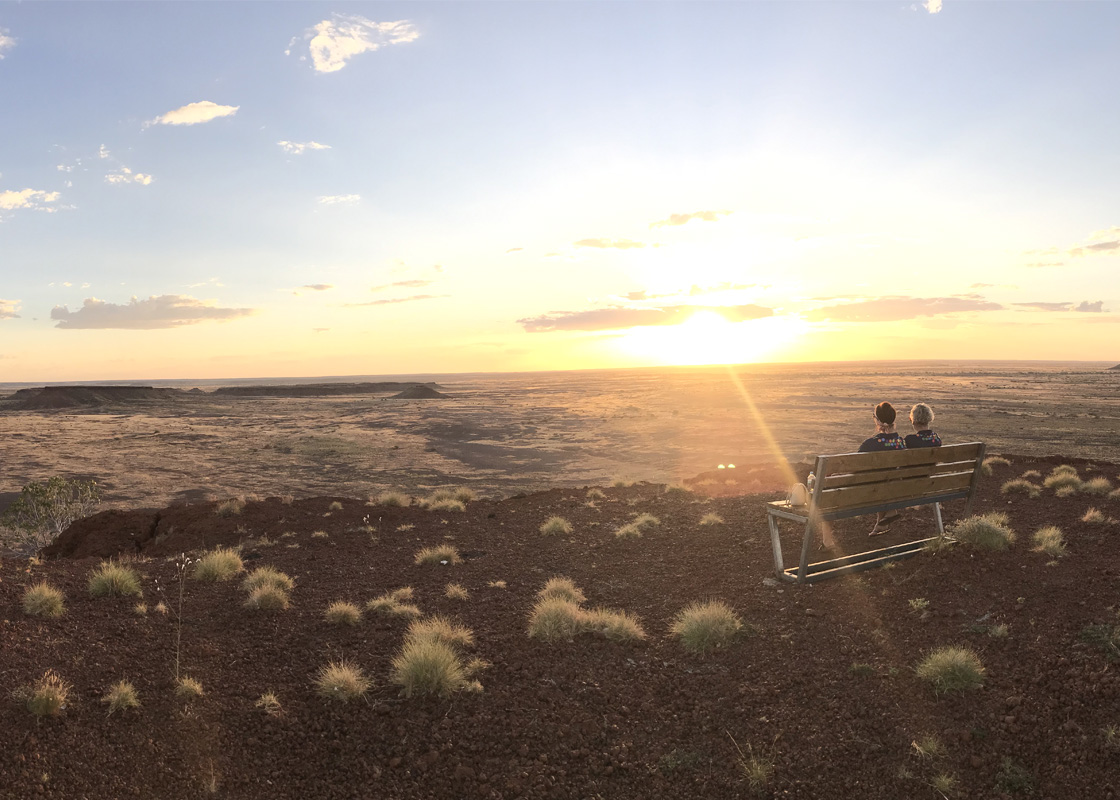
Working alongside the Healthy Skin & ARF Prevention team, clinicians and other researchers; Elder researchers and community members have driven the co-design of healthy skin promotion resources localised to their community.
Designed by community for community, the Strong Skin App is a go-to resource to support your skin health.
Asha Tom Bowen Snelling BA MBBS DCH FRACP PhD GAICD FAHMS OAM BMBS DTMH GDipClinEpid PhD FRACP Head, Healthy Skin and ARF Prevention Head, Infectious
Indigenous Australian children suffer the highest rates of impetigo (skin sores) in the world, which can result in serious immune complications including chronic kidney and possibly rheumatic heart disease.