
Search
Caregivers of individuals with neurodevelopmental and chronic health conditions require health literacy (HL) skills for the long-term management of these conditions. The aim of this rapid review was to investigate the efficacy of HL interventions for these caregivers.
Although up to 89% of autistic children experience feeding difficulties, little is known about the impact of these difficulties on mealtime participation. The aim of this study was to explore the impact of feeding difficulties on the mealtime participation of autistic children and their families based on caregiver experiences.
Parent involvement strongly correlates with children's educational attainment. Sociocultural shifts in parenting roles and shared responsibilities have driven an increase in the need for involvement of fathers in activities to support their children's educational development. Several factors are thought to influence father involvement in children's education; however, the most salient factors remain unclear.
Research suggests there is considerable opportunity to improve children's movement behaviors while they are being cared for by their grandparents. An understanding of the extent to which grandparent practices facilitate children's engagement in physical activity is critical to the development of health interventions targeting grandparent caregivers.
Noroviruses are one of the most common causes of gastroenteritis in all age groups, including children. However, little has been reported on the transmission of norovirus within childcare facilities and the subsequent impact at the household level.

In celebration of World Breastfeeding Week (August 1-7), we're thrilled to share our latest research that's revolutionising our understanding of breast milk and supporting breastfeeding mothers.
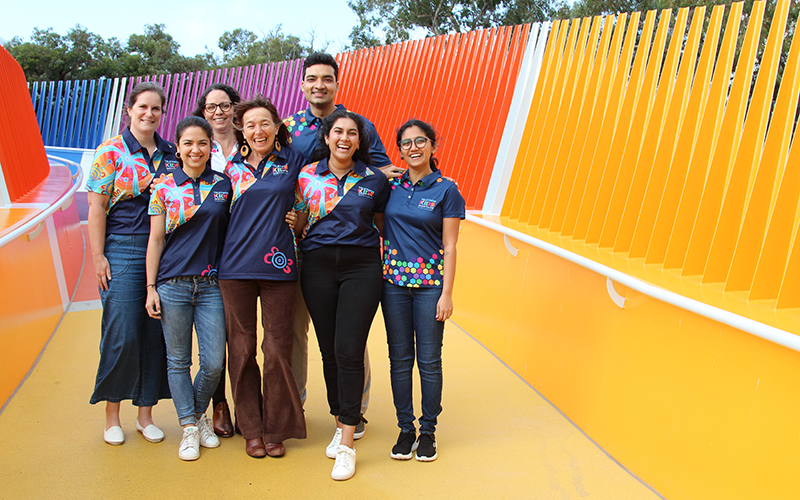
In celebration of World Breastfeeding Week (1 – 7 August), we sat down with Professor Valerie Verhasselt to ask her some of the top questions about breastfeeding and immunology.
Maternal milk feeding may have unique long-term neurodevelopmental benefits in very preterm infants. We examine the extent to which maternal milk feeding after very preterm birth is associated with cognitive, academic, and behavioral outcomes at school age.
The coronavirus disease 2019 (COVID-19) pandemic has changed the birthing and postnatal experience of women. This review highlights how policy changes have affected pregnant and breastfeeding women, the evidence for continued breastfeeding and severe acute respiratory syndrome coronavirus 2 (SARS-CoV-2) vaccines, and how the pandemic's unexpected consequences have affected these women's wellbeing.
Increasing evidence suggests that breastfeeding may protect from childhood acute lymphoblastic leukemia and acute myeloid leukemia. However, most studies have limited their analyses to any breastfeeding, and only a few data have examined exclusive breastfeeding, or other exposures such as formula milk.
In addition to being a source of nutrients for the developing newborn, human milk contains thousands of bioactive compounds, which influence infant health in the short-term as exemplified by its major benefits on infectious disease prevention. Many of the human milk compounds also have the required characteristics to instruct immune development and guide long-term health.