
Search
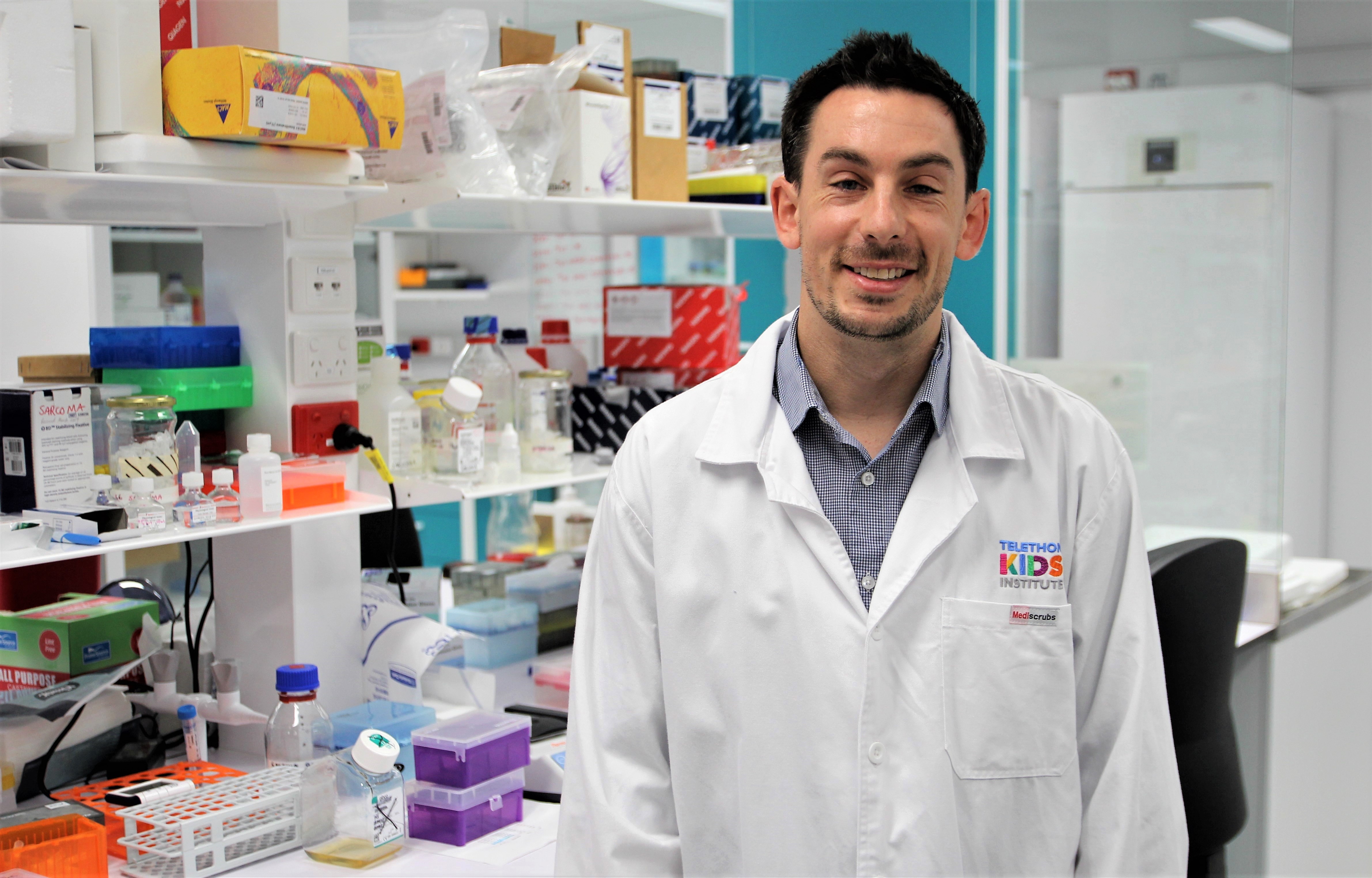
Cure Cancer and The Kids Research Institute Australia researcher Dr Ben Wylie announced new potential treatment in time for Childhood Sarcoma Awareness month.
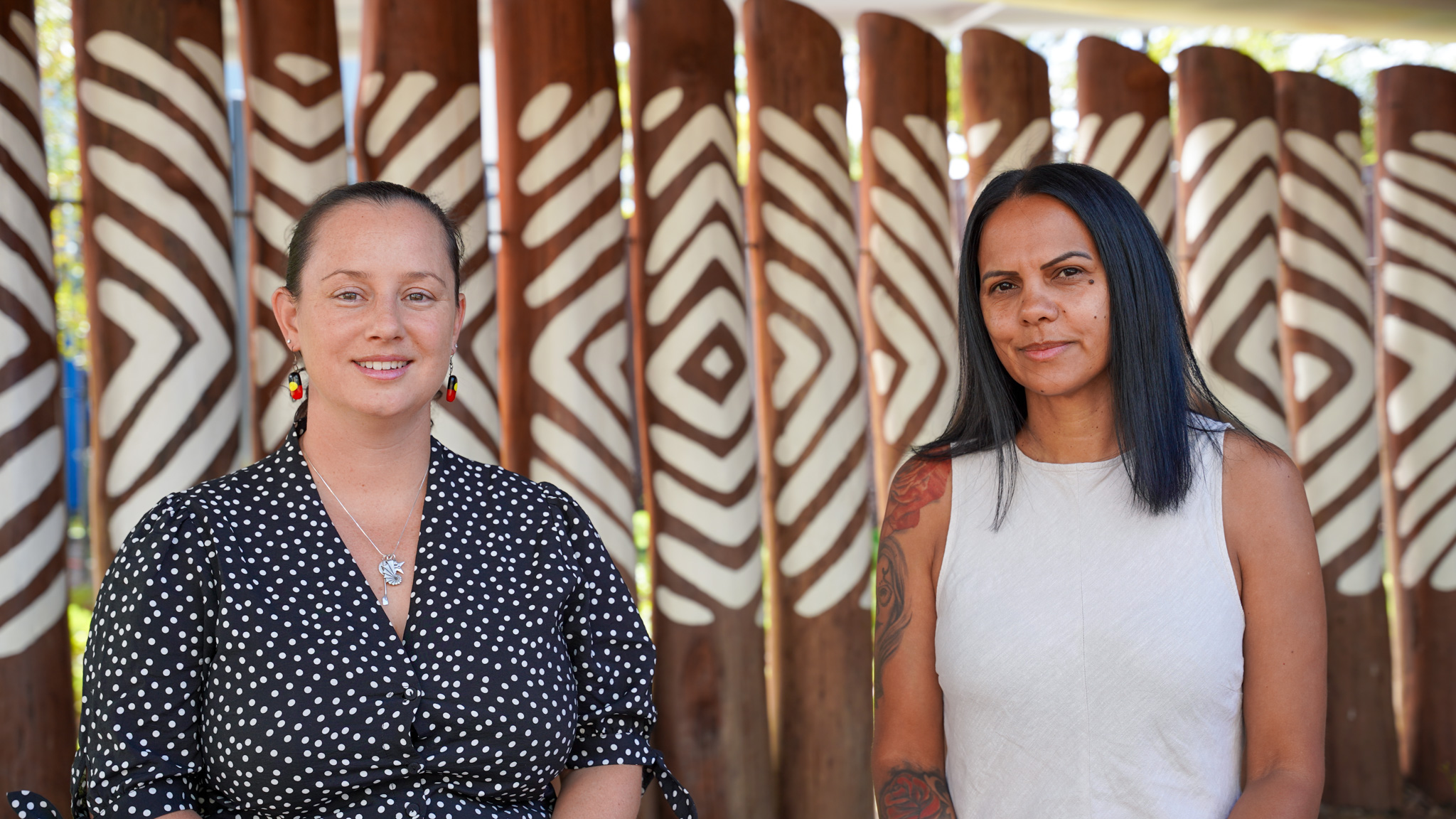
A first of its kind research program at The Kids Research Institute Australia aims to develop new strategies to better treat Aboriginal and Torres Strait Islander children with cancer.
The efficacy of chimeric antigen receptor (CAR) T cell therapy in solid tumours is limited by immunosuppression and antigen heterogeneity. To overcome these barriers, 'armoured' CAR T cells, which secrete proinflammatory cytokines, have been developed. However, their clinical application has been limited because of toxicity related to peripheral expression of the armouring transgene.
Citation: Sek K, Chen AXY, Cole T, Armitage JD, Tong J, ……… Waithman J, Parish IA, et al. Tumor site-directed A1R expression enhances CAR T cell
Ion channel activity underlying biological processes that drive high-grade gliomas (HGG) is largely unknown. We aimed to determine the networking of ion channel genes and validate their expression within HGG patient tumors, to identify ion channel-targeting drugs that would inhibit tumor-promoting processes.
Aboriginal and Torres Strait Islander (hereafter respectfully named Indigenous) Australians are diagnosed with some cancers substantially more frequently than non-Indigenous Australians implying a different risk factor landscape. Additionally, poorer outcomes for certain cancers are exacerbated by lower cancer screening rates and later diagnoses compared to non-Indigenous Australians.
Surgery is an essential part of cancer treatment, particularly for localised solid tumours. Geriatric assessments (GA) with tailored interventions or comprehensive GA (CGA) can identify frailty factors and needs of older adults with cancer, assisting treatment decisions and care strategies to reduce postoperative complications. This systematic review summarises the effects of GA/CGA compared to usual care for older adults with cancer intended for surgery: their impact on treatment decisions, supportive care interventions, postoperative complications, survival, and health-related quality of life.
Lung squamous cell carcinoma (LUSC) is a significant health concern, characterized by a lack of specific therapies and limited treatment options for patients in advanced stages. This study aims to identify key molecules of prognostic importance in LUSC and provide an experimental foundation for their potential therapeutic applications.
Tropomyosin receptor kinase (TRK) fusions are detected in less than 2% of central nervous system tumors. There are limited data on the clinical course of affected patients.
DNA methylation-based classification is now central to contemporary neuro-oncology, as highlighted by the World Health Organization classification of central nervous system tumors. This expansion is a result of newly identified tumor types discovered through our large online repository and global collaborations, underscoring CNS tumor heterogeneity.