
Search
CREAHW is a program of intervention research focused on achieving sustainable change for the Aboriginal community & improving the lives of Aboriginal people.
The social and emotional wellbeing of Aboriginal children and young people
The aim of establishing a local presence is based upon an intention to be by invitation considered as part of the Kimberley group of organisations as well ...
This was a five year grant from the NHMRC to build research capacity in ten Aboriginal researchers
A Network comprised of four regional sites to facilitate key medical, research and training activities undertaken in partnership with Aboriginal communities.
The WAACHS regional profiles look at all four volumes of results across the ATSIC regions of Western Australia.
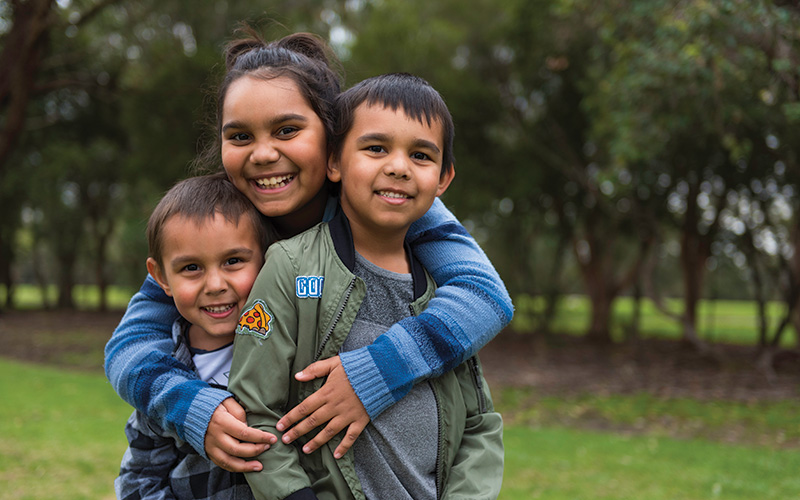
The Institute's Standards for the Conduct of Aboriginal Health Research outline our ways of working with Aboriginal communities and peoples.
The impact of smallpox (variola) on Aboriginal communities in Australia beginning in 1789 was catastrophic and continues to cause intergenerational trauma. Historically biased perspectives and contemporary misinformation of the disease's introduction and spread impede modern-day truth-telling and efforts towards reconciliation and national healing.
Our goal was to explore and compare risk factors, patterns of management and survival outcomes in Indigenous compared with non-Indigenous Australian patients using the Victorian Lung Cancer Registry.
Rheumatic heart disease (RHD) is the acquired autoimmune heart valve damage resulting from untreated infection with the Streptococcus pyogenes bacterium, which affects people experiencing socioeconomic disadvantage globally. This study measured RHD-associated major adverse cardiovascular events (MACE) and the increased risk associated with pregnancy among women diagnosed with RHD.