
Search
This qualitative study aimed to explore parental attitudes, knowledge and decision-making about HPV vaccination for adolescents in the context of a gender-neutral school-based Australian National Immunisation Program (NIP). Semi-structured interviews with parents of adolescents eligible for HPV vaccination were undertaken as part of an evaluation of a cluster-randomised controlled trial of a complex intervention in 40 schools (2013-2015).
The burden of seasonal influenza disease in Australian children is substantial, especially for those with medical comorbidities including chronic cardiac, respiratory, neurological and immunosuppressive conditions. Influenza is more likely to be severe in children with comorbidities compared to previously healthy children (e.g. more frequent and longer hospitalisation, more frequent intensive care unit admission and requiring respiratory support). Direct protection against influenza by vaccination is critical for children with comorbidities and remains the most effective tool for influenza prevention.
Christopher Blyth MBBS (Hons) DCH FRACP FRCPA PhD Centre Head, Wesfarmers Centre of Vaccines and Infectious Diseases; Co-Head, Infectious Diseases
In addition to providing pathogen-specific immunity, vaccines can also confer nonspecific effects (NSEs) on mortality and morbidity unrelated to the targeted disease. Immunisation with live vaccines, such as the BCG vaccine, has generally been associated with significantly reduced all-cause infant mortality. In contrast, some inactivated vaccines, such as the diphtheria, tetanus, whole-cell pertussis (DTPw) vaccine, have been controversially associated with increased all-cause mortality especially in female infants in high-mortality settings.

In 2017, a steep rise in cases of meningococcal disease caused by the W strain sparked a wave of concern for parents in Western Australia.

A new research project aims to demonstrate how influenza vaccination in children could be a highly cost-effective health care intervention in Australia.

Eight The Kids Research Institute Australia researchers are among those who have received grant funding from the Telethon-Perth Children’s Hospital Research Fund (TPCHRF).
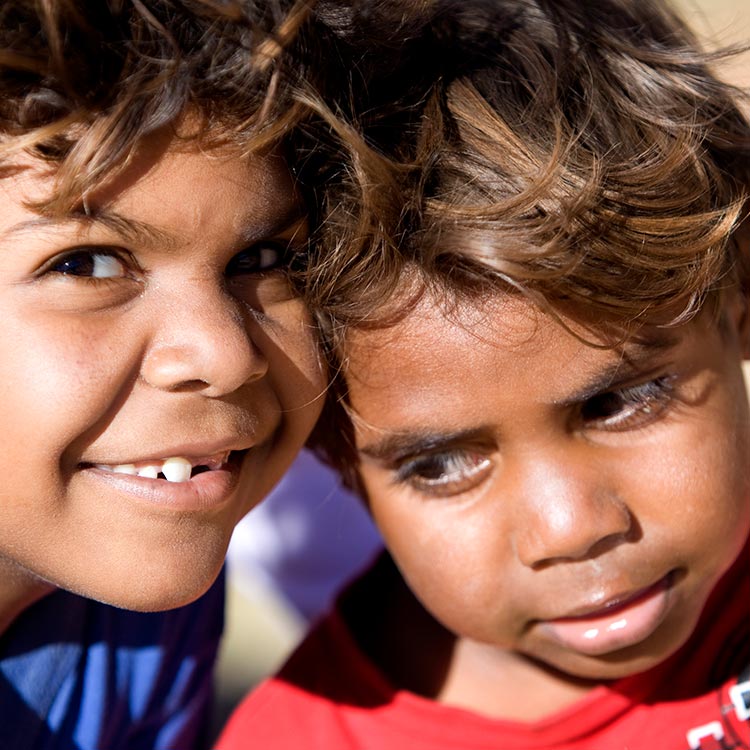
A new study shows that people living in the Oceania region, including Australia, have the highest risk in the world of dying from rheumatic heart disease.
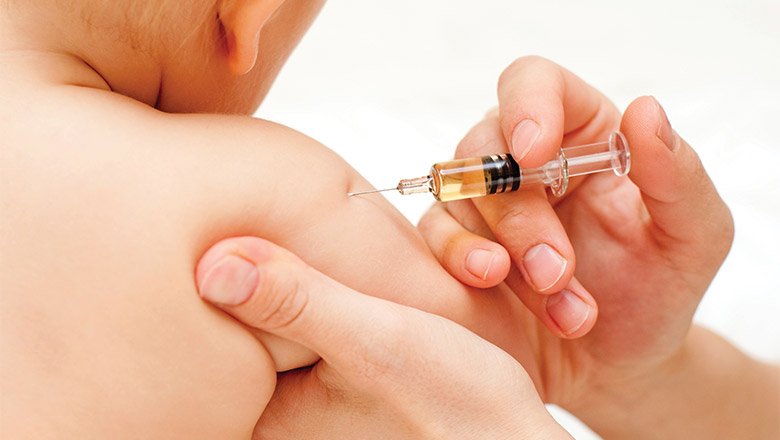
Toddlers will now get an additional whooping cough vaccine to protect them against the potentially deadly disease.

Mapping when Respiratory Syncytal Virus (RSV) reaches its seasonal peak will assist how future vaccination programs are carried out.