Search
The period of transition between paediatric (child) services and adult-based services is a sensitive one for patients with diabetes.
The Rio Tinto Children’s Diabetes Centre is committed to increasing the community voice in diabetes research at all levels to ensure our research is
A new research study conducted by Professor Jeneva Ohan and Dr Keely Bebbington aims to develop our understanding of how adolescents navigate these disclosure decisions, and how we can support them to feel more confident when talking to others about their diabetes.
Research
Plastics in human diets: development and evaluation of the 24-h Dietary Recall — Plastic Exposure and the Dietary Plastics ScoreHumans are commonly exposed to plastic through their dietary intake and food consumption patterns. Plastic-associated chemicals (PAC), such as bisphenols and phthalates, are recognized as endocrine-disrupting and are associated with increased risk of cardiovascular disease and metabolic syndrome. However, accurate methods to assess dietary exposure to plastic products and PAC are inadequate, limiting interrogation of health impacts.
Research
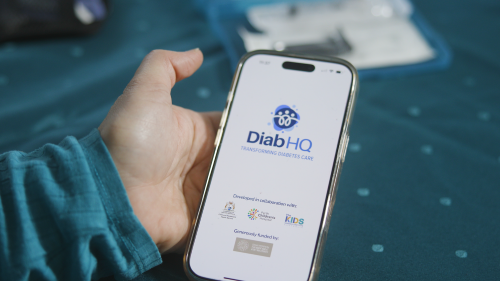
Development of a Novel Mobile Health App to Empower Young People With Type 1 Diabetes to Exercise Safely: Co-Design ApproachBlood glucose management around exercise is challenging for youth with type 1 diabetes (T1D). Previous research has indicated interventions including decision-support aids to better support youth to effectively contextualize blood glucose results and take appropriate action to optimize glucose levels during and after exercise. Mobile health (mHealth) apps help deliver health behavior interventions to youth with T1D, given the use of technology for glucose monitoring, insulin dosing, and carbohydrate counting.
The Rio Tinto Children's Diabetes Centre is a research centre that aims to improve the lives of children and young adults living with diabetes by bringing together research, education and clinical care.
Type 1 diabetes is a chronic autoimmune disease that results from the immune system attacking the insulin-producing cells of the pancreas. Unlike type 2 diabetes which is potentially preventable, type 1 is a non-preventable disease - currently, its exact cause is not known and there is no cure.
Read about the Research Focus Area Leads at the Children's Diabetes Centre.
Many of the Centre's researchers have been responsible for discovering and contributing to real game-changers, making a difference to children with diabetes.
News & Events
Congratulations Dr Anna BoggissAnna has been awarded a three-year Fellowship to tackle the urgent gap in care in young Western Australians living with type 1 diabetes who are at heightened risk of developing eating disorders.