
Search
The incidence of invasive GAS disease in WA increased between 2000 and 2018, particularly among Indigenous Australians. Mandatory notification of invasive GAS disease would therefore be appropriate. The social determinants of differences in incidence should be addressed, and other relevant host, pathogen, and health system factors investigated.
Indigenous children and young peoples live with an inequitable burden of acute rheumatic fever and rheumatic heart disease. In this Review, we focus on the epidemiological burden and lived experience of these conditions for Indigenous young peoples in Australia, New Zealand, and Canada. We outline the direct and indirect drivers of rheumatic heart disease risk and their mitigation.
The health disadvantages faced by Australian Aboriginal peoples are evidenced in early life, although few studies have focused on the reasons for population-level inequalities in more severe adverse outcomes. This study aimed to examine the scale of disparity in severe neonatal morbidity (SNM) and mortality between Aboriginal and non-Aboriginal births and quantify the relative contributions of important maternal and infant factors.
We explore the acceptability of a novel, outreached-based approach to improve primary and primordial prevention of Strep A skin sores, sore throats and acute rheumatic fever in remote Aboriginal communities. A comprehensive prevention program delivered by trained Aboriginal Community Workers was evaluated using approximately fortnightly household surveys about health and housing and clinical records.
Mainstream Australian mental health services are failing Aboriginal young people. Despite investing resources, improvements in well-being have not materialised. Culturally and age appropriate ways of working are needed to improve service access and responsiveness. This Aboriginal-led study brings Aboriginal Elders, young people and youth mental health service staff together to build relationships to co-design service models and evaluation tools.
There is a paucity of quantitative measures of resilience specifically validated for young Aboriginal people in Australia. We undertook the first investigation of validity and reliability of the Connor-Davidson Resilience Scale in a sample of Australian Aboriginal people, with a focus on youth. We conducted a cross-sectional study of resilience among a sample of 122 Aboriginal youth (15–25 years old) in New South Wales and Western Australia, featuring self-completes of the 10-item CD-RISC in online (N = 22) and face-to-face (N = 100) settings.
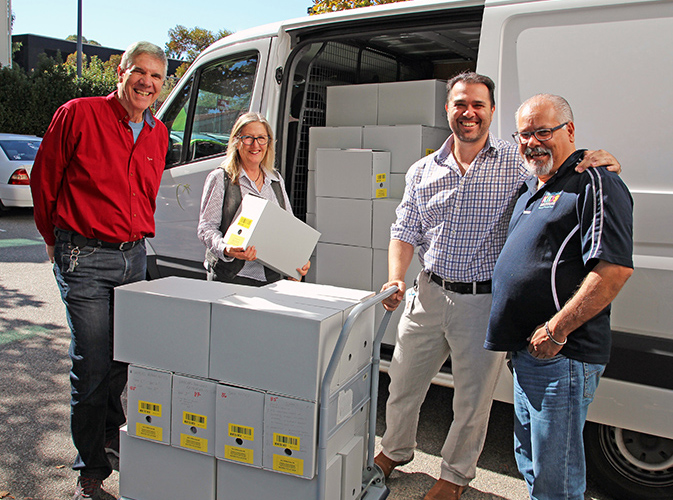
The landmark Western Australian Aboriginal Child Health Survey has been placed into archiving at the State Library of Western Australia to be preserved for future generations.
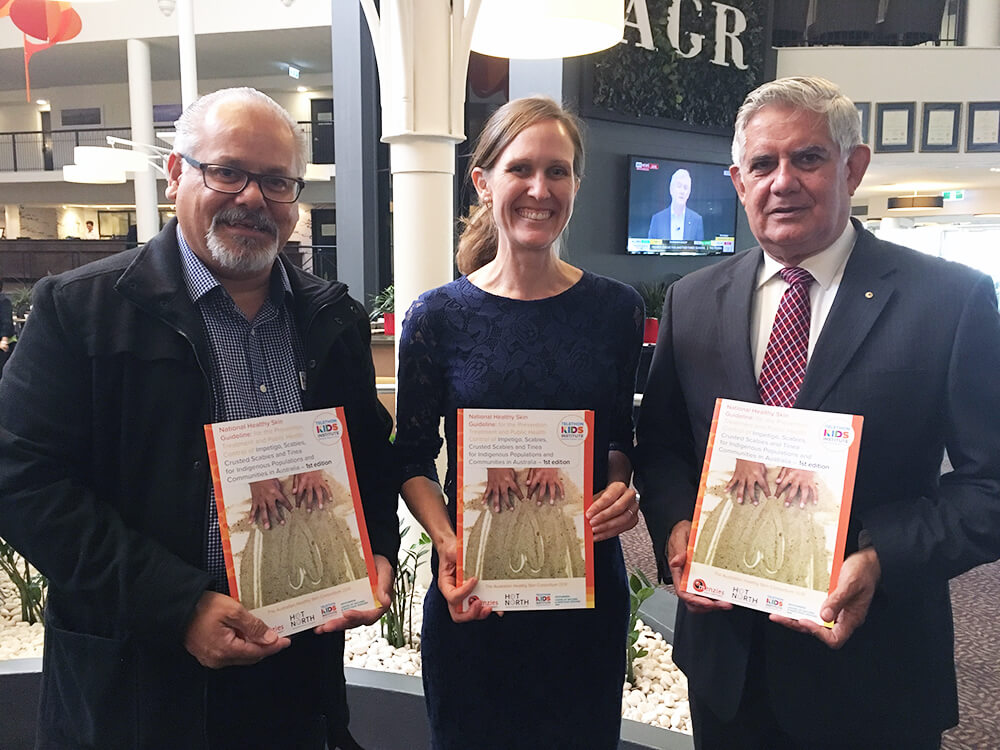
Researchers have developed the first National Healthy Skin Guideline to address record rates of skin infections in Australia’s Indigenous communities.
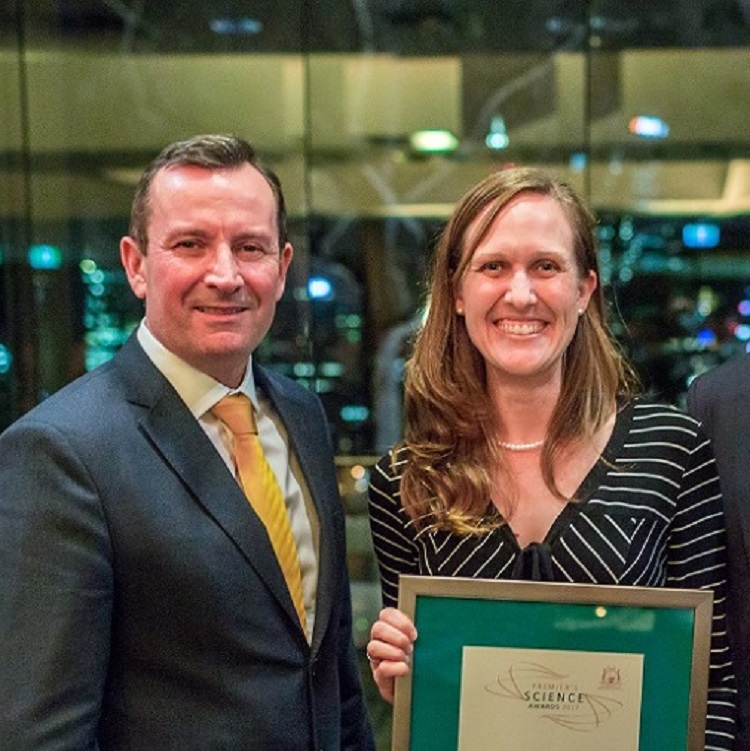
Infectious diseases researcher, Dr Asha Bowen, has won the Early Career Scientist of the Year Premier's Science Award for 2017.
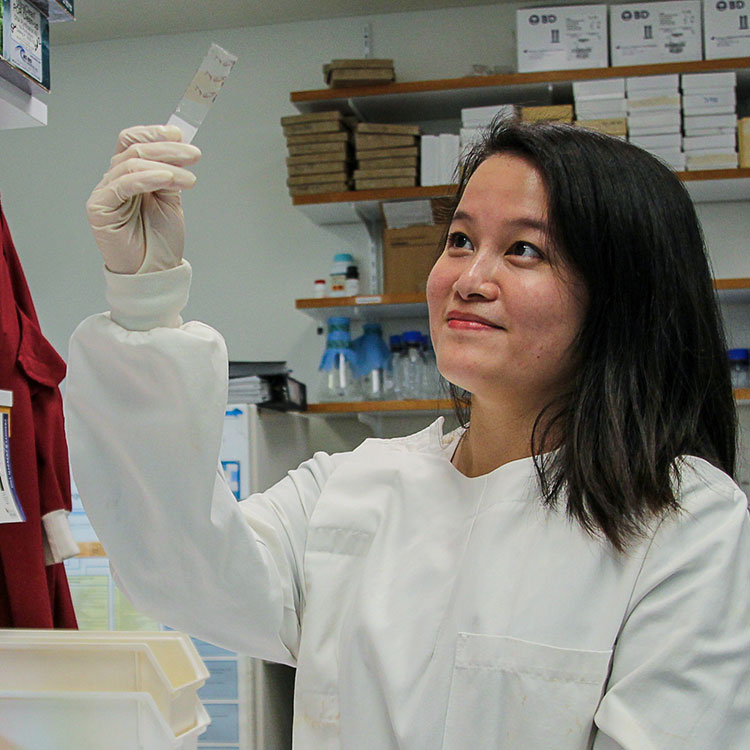
The Kids Research Institute Australia researchers have been awarded five of eight State Government awards designed to help cover the hidden costs of conducting research.