Skip to content
The Kids Research Institute Australia logo
Donate

Search

Research

Collecting exhaled breath condensate from non-ventilated preterm-born infants: a modified method

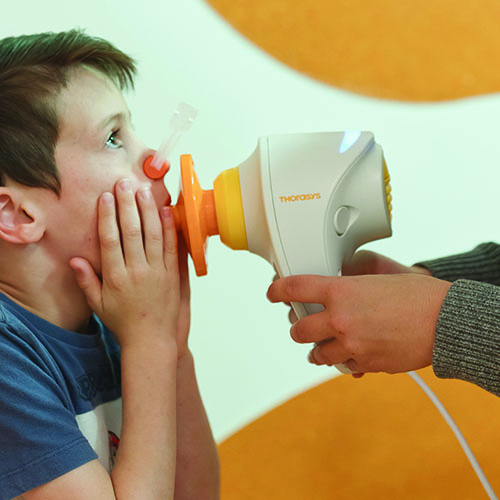
Exhaled breath condensate (EBC) collection is a non-invasive, safe method for measurement of biomarkers in patients with lung disease. Other methods of obtaining samples from the lungs, such as bronchoalveolar lavage, are invasive and require anaesthesia/sedation in neonates and infants. EBC is particularly appealing for assessing biomarkers in preterm-born infants, a population at risk of ongoing lung disease.

Research

Parent-infant interaction quality is related to preterm status and sensory processing

Parent-infant interactions provide the foundation for the development of infant socioemotional wellbeing. Preterm birth can have a substantial, and often detrimental, impact on the quality of early parent-infant interactions. Sensory processing difficulties, common in preterm infants, are further associated with poorer interaction quality.

Research

Antibiotic exposure in culture-negative preterm infants: a 10-year single-centre study

Antibiotic exposure in neonatal intensive care units (NICU) is high. This study describes antibiotic use in very preterm infants and examines the association between duration of exposure and outcomes in blood culture negative (CN) infants. 

Research

Lung recruitment before surfactant administration in extremely preterm neonates with respiratory distress syndrome (IN-REC-SUR-E): a randomised, unblinded, controlled trial

The importance of lung recruitment before surfactant administration has been shown in animal studies. Well designed trials in preterm infants are absent. We aimed to examine whether the application of a recruitment manoeuvre just before surfactant administration, followed by rapid extubation (intubate-recruit-surfactant-extubate [IN-REC-SUR-E]), decreased the need for mechanical ventilation during the first 72 h of life compared with no recruitment manoeuvre (ie, intubate-surfactant-extubate [IN-SUR-E]).

Helping our smallest babies live their biggest lives

A new study is helping to identify treatment options to improve the lung function of premature babies, after it was determined survivors of preterm birth were at risk of declining lung health.

Research

A primary cell model of the very preterm epithelium reveals barrier defects at 1 year of age

Limited evidence suggests that airway epithelial structure and function is disrupted in very preterm infants; however, the epithelial morphology and physiology has not been well characterised following discharge from neonatal intensive care. This study aimed to characterise the nasal airway epithelium from 1-year-old survivors of very preterm birth.

Research

Evaluation of the Acceptability and Feasibility of the Social Attention and Communication Surveillance-Revised (SACS-R) Tool for Early Identification of Autism in Preterm Infants

Preterm birth is associated with a 3.3-fold increased likelihood of autism diagnosis, with lower gestational age conferring higher likelihood. In Australia, autism is typically diagnosed at around age four, potentially missing the optimal neuroplasticity window before age two. The Social Attention and Communication Surveillance-Revised (SACS-R) tool identifies early autism signs in children aged 11-30 months, enabling pre-emptive intervention.

Research

Exercise training to address lifelong consequences of preterm birth: a survey of perceived needs

The identification of a COPD etiotype associated with preterm birth (COPD-developmental) has expedited calls for intervention strategies that may improve health outcomes for survivors of preterm birth (<37 weeks' gestation). Pulmonary-rehabilitation style training interventions achieve physiological and symptom improvement in older people with COPD, but whether similar training interventions are suitable for young people is unclear. We sought to understand the perceived need and requirements of an exercise training intervention for children, adolescents and adults born preterm.

Research

Physiological responses to exercise in survivors of preterm birth: a meta-analysis

Survivors of preterm birth (<37 weeks' gestation) have low peak oxygen uptake, a global measure of aerobic fitness and an established predictor of increased morbidity and mortality. However, little is known about other cardiopulmonary outcome measures in this population. We addressed the hypothesis that preterm birth is associated with abnormal respiratory, cardiovascular and metabolic responses to exercise, as assessed by cardiopulmonary exercise testing, via a systematic review and meta-analysis.

Research

Diaphragm Function in Very Preterm Infants at 36 Weeks' Postmenstrual Age

Understand how bronchopulmonary dysplasia (BPD) and antenatal and postnatal factors influence diaphragmatic functional effectiveness in very preterm infants.