
Search

The Children’s Diabetes Centre has had a few inquiries about the new BANDIT trial, based in Melbourne, and whether we are involved. Currently, the trial is only open to people who live in Victoria.The Centre is involved in other Australian studies aiming to better understand diabetes.

The Children’s Diabetes Centre is investigating the ways young people, and their primary carers, cope with stressors associated with type 1 diabetes.

You may have noticed some changes to the phone triage system for Perth Children’s Hospital’s diabetes clinic recently.

Outpatients with appointments at Perth Children’s Hospital (PCH) can now use WA Health’s first patient-facing app – Manage My Care – to access their appointment and referral information.

Big shout out to one of our regular research participants, Ashlyn, who goes to show that type 1 diabetes is no obstacle to achieving success in top-level sport.

Do you know that the clinical team at Perth Children’s Hospital’s Diabetes Clinic can visit your child’s school to administer glucagon or camp education?
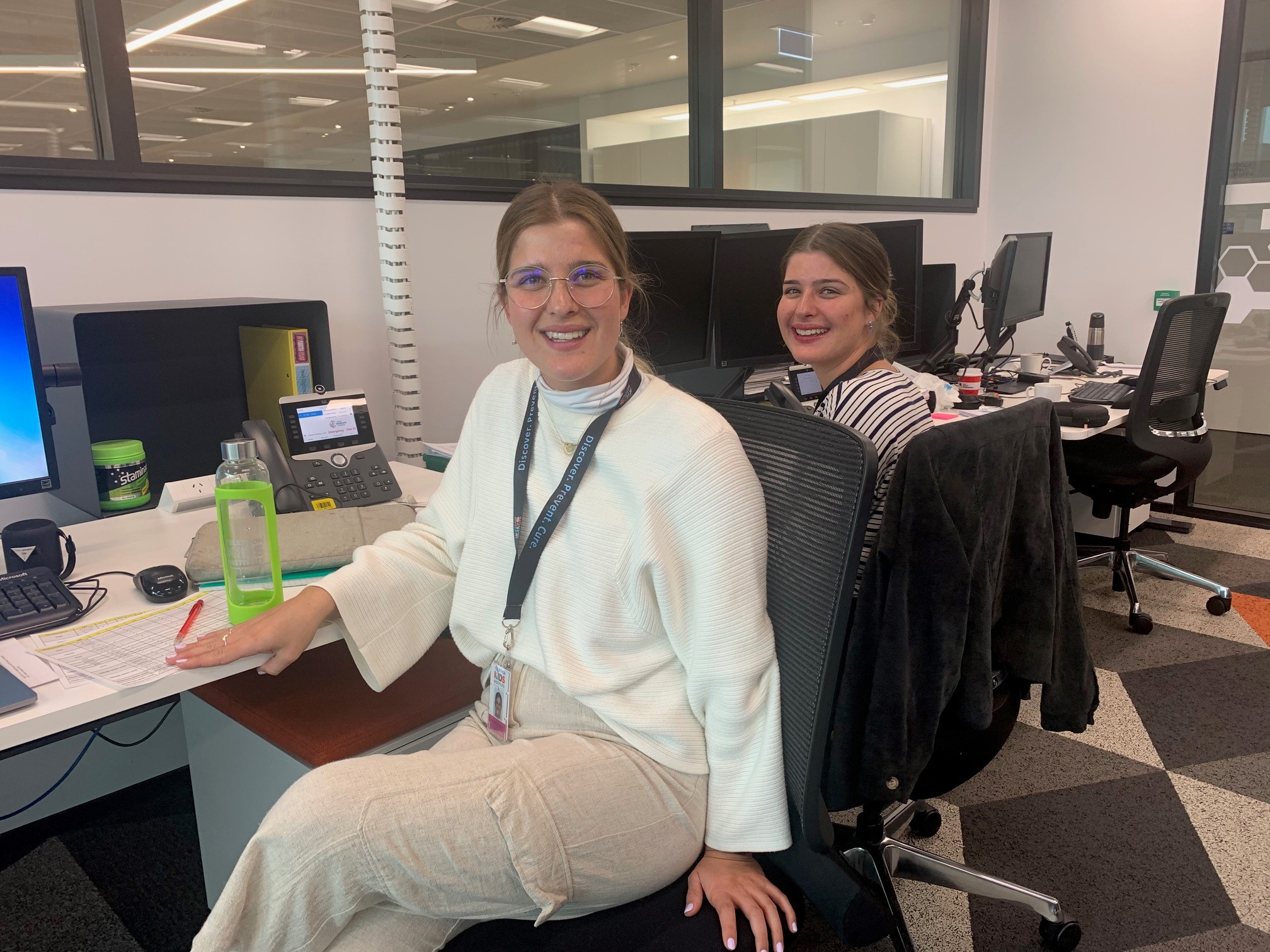
A family link to type 1 diabetes has seen twins Nina and Lara Buonvecchi pursue study in health science – and join the Children’s Diabetes Centre to complete their pracs.

Young adult and parent peer mentors can be role models who not only normalise experiences of living with type 1 diabetes but can act as symbols of hope, new Children’s Diabetes Centre research has found.

For this study, we want to see how much protein is necessary to prevent overnight hypos without causing high blood glucose levels.
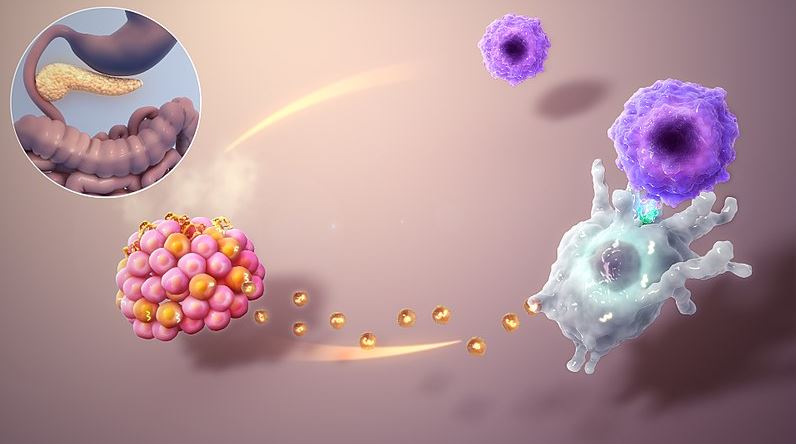
Our researchers are involved in a new nationwide program aiming to better detect a child's risk of developing type 1 diabetes.