
Search
Some individuals have a persistence of symptoms following both COVID-19 (post-acute COVID-19 syndrome; PACS) and other viral infections. This study used prospectively collected data from an international trial to compare symptoms following COVID-19 and non-COVID-19 respiratory illness, to identify factors associated with the risk of PACS, and to explore symptom patterns before and after COVID-19 and non-COVID-19 respiratory illnesses.
Difficulties in executive functioning (EF) can result in impulsivity, forgetfulness, and inattention. Children living in remote/regional communities are particularly at risk of impairment in these cognitive skills due to reduced educational engagement and poorer access to interventions. This vulnerability has been exacerbated by the COVID-19 pandemic and strategies are needed to mitigate long-term negative impacts on EF.
Early in the coronavirus disease 2019 (COVID-19) pandemic, evidence emerged that individuals with chronic and immunocompromising conditions faced increased risk of severe infection, including death. The Australian Government and public health authorities prioritised these citizens' access to vaccines, including them in phase 1b of the rollout from 22 March 2021.
Bacille Calmette-Guérin (BCG) vaccine has immunomodulatory effects that may provide protection against unrelated infectious diseases. We aimed to determine whether BCG vaccination protects adults against COVID-19.
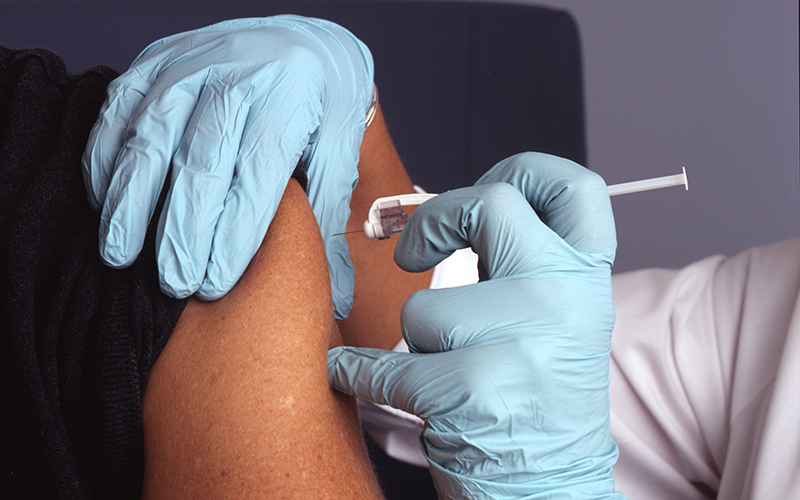
A world-leading international trial examining the immune boosting benefits of the tuberculosis vaccine, BCG, has found it does not protect healthcare workers against COVID-19.

Australia’s TGA has granted a provisional determination to Pfizer, allowing the pharmaceutical company to apply for approval to extend its COVID-19 vaccine to children aged 6 mths - 4 yrs.

Western Australia’s Omicron outbreak is far from over, with new modelling showing the number of total infections is only at its half-way point.

WA’s current Omicron COVID-19 outbreak could jump by 147,000 cases if mask mandates are abandoned before the Easter long weekend, according to sophisticated new modelling.
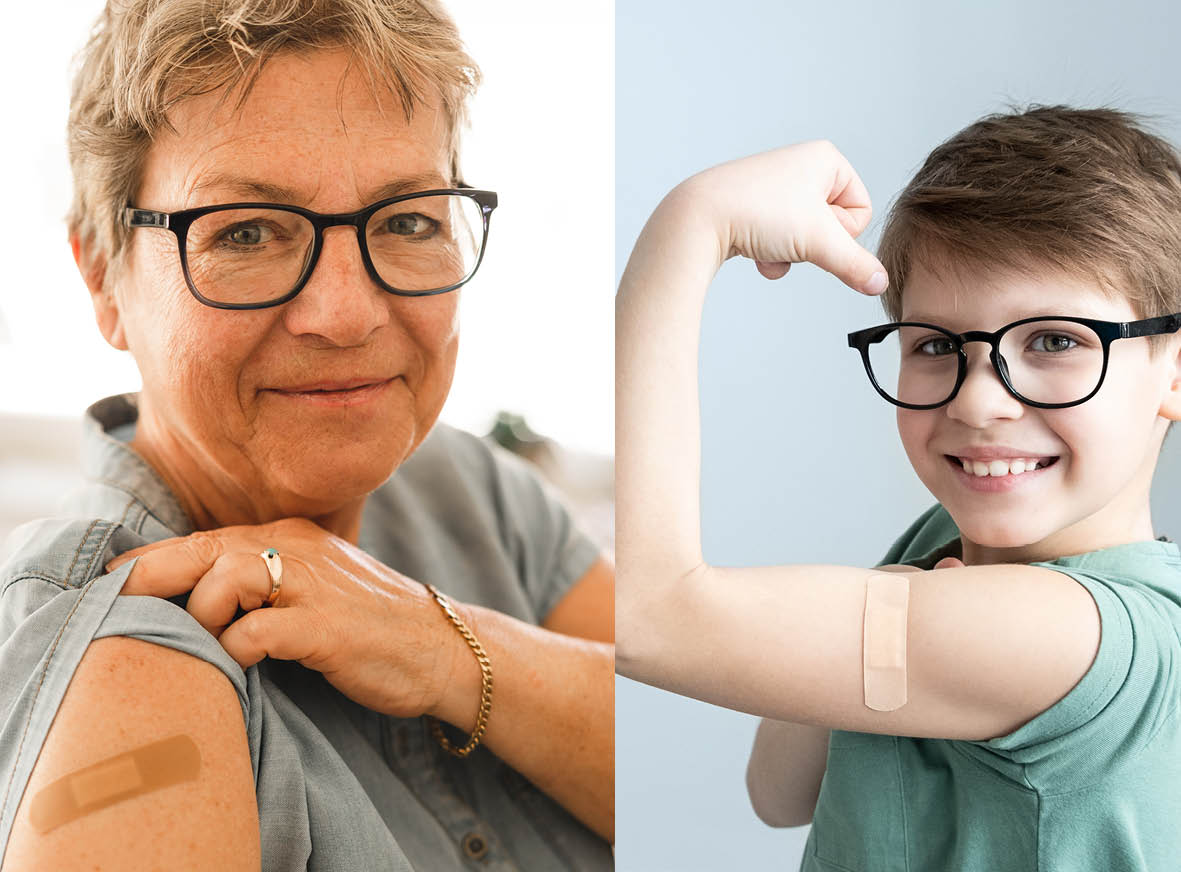
Optimising our national Covid-19 vaccine program could be one step closer thanks to new research now underway at The Kids Research Institute Australia investigating the most effective, long-term strategies for booster vaccinations.
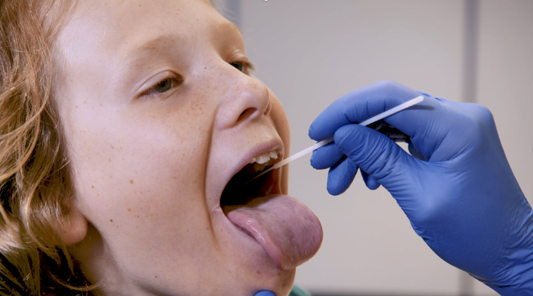
A study conducted across 40 WA schools has found COVID-19 testing using a combined nose and throat swab was well tolerated by children as young as 4 years.