
Search
Find out how to participate in our research and community groups.
We are in a new era of T1D care. We can now identify and provide care for people across a spectrum of T1D, from early-stage T1D to symptomatic insulin requiring T1D (Stage 3 and Stage 4). And for the first time since the discovery of insulin over 100 years ago, Australia has approved a new therapy, Teplizumab.

T1D can be a traumatic diagnosis for children and young people, and often involves strict adherence to painful treatments, comorbid mental health conditions, and shortened life expectancy.
The DiabHQ Patient Portal app is now available to WA children and families living with Type 1 diabetes.
The Rio Tinto Children's Diabetes Centre is a research centre that aims to improve the lives of children and young adults living with diabetes by bringing together research, education and clinical care.
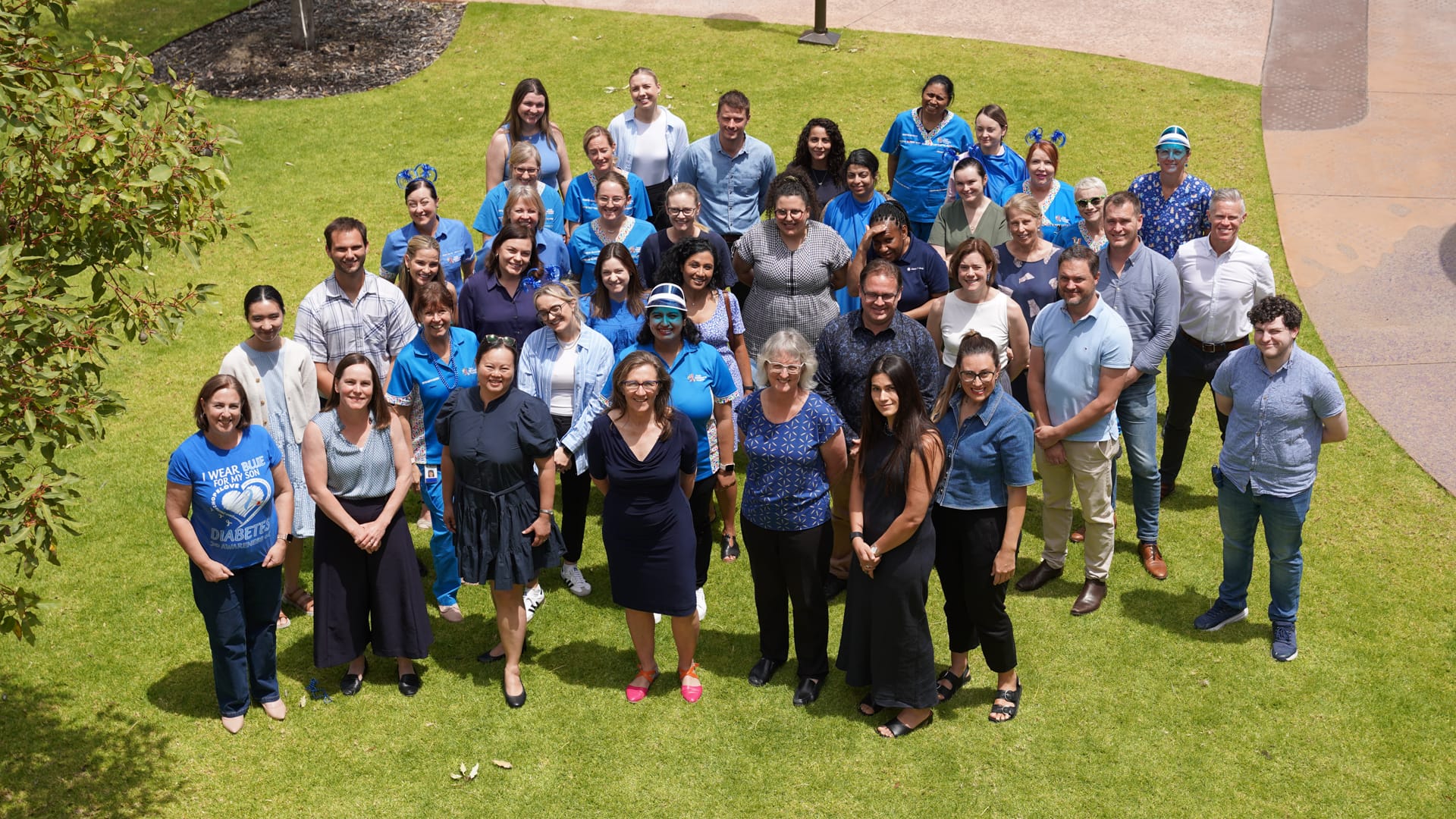
The Centre includes researchers at The Kids Research Institute Australia’s Diabetes Research Team and the Diabetes Service at the Perth Children’s Hospital.
Type 1 diabetes is a chronic autoimmune disease that results from the immune system attacking the insulin-producing cells of the pancreas. Unlike type 2 diabetes which is potentially preventable, type 1 is a non-preventable disease - currently, its exact cause is not known and there is no cure.
Many of the Centre's researchers have been responsible for discovering and contributing to real game-changers, making a difference to children with diabetes.

We are trying to understand what underlies mental health problems in young people with diabetes, with a school-related focus, and how we can best treat them.