
Search
Neonatal encephalopathy, a clinical syndrome affecting term-born and late preterm newborn infants, increases the risk of perinatal death...
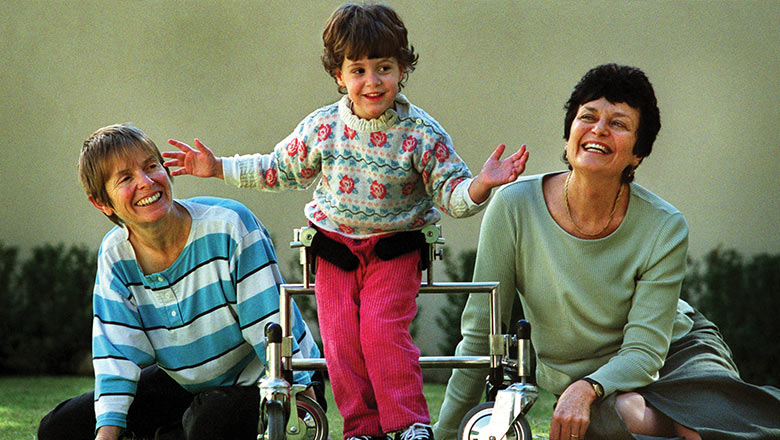
Cerebral palsy is not only the result of birth trauma and the lack of oxygen supply during delivery.
Much information exists about functions of the human placenta and about potential mechanisms by which the placenta may influence human health or disease...
We investigate the construct validity, test re-test reliability, and responsiveness of the Wrist Position Sense Test (WPST) for children with hemiplegic cerebral palsy (CP).
ParticiPAte CP is a participation-focused therapy intervention that is effective to increase perceived performance of physical activity participation goals in children with cerebral palsy. We aimed to characterise the contents of ParticiPAte CP using validated behaviour change frameworks.
The aim of this study was to conduct a systematic review in order to identify the risk factors for cerebral palsy (CP) in children born at term.
The primary aim of this study is to identify the predictors and prevalence of severe respiratory disease in children, adolescents and young adults with CP.
The aim of this study wa to measure activity, participation and QoL in children with CP and to determine how these differ from a comparable group of...
A non-progressive motor disability due to damage of the developing brain, this is the most common physical disability in childhood. Affecting about one in 500 babies, it is frequently accompanied by other neurological impairments, such as intellectual or sensory.
The aim of RESP-ACT is to reduce these children’s respiratory hospital admissions and visits to Emergency Department, and to help them and their families to have as the best possible quality of life.