Search
Research
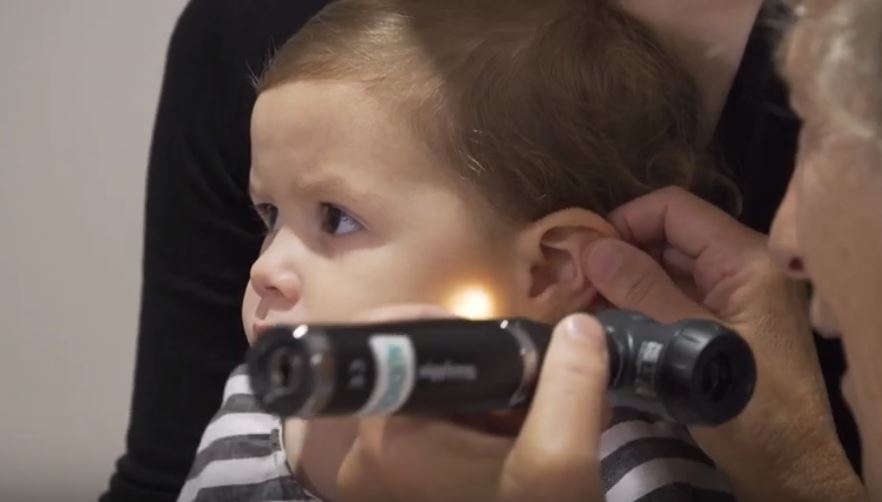
Risk of otitis media in offspring following maternal prenatal stress exposureThere is limited but consistent evidence that suggests prenatal factors, including maternal stress, may contribute to susceptibility for otitis media. We aimed to determine the effect of multiple life stress events during pregnancy on risk of acute and recurrent otitis media in offspring at three and five years of age.
Research
Epidemiology and Outcomes of Neonatal Sepsis: Experience from a Tertiary Australian NICUNeonatal sepsis is associated with significant mortality and morbidity. Low-middle-income countries are disproportionately affected, but late-onset sepsis still occurs in up to 20% of infants <28 weeks in high-income countries. Understanding site-specific data is vital to guide management.
Research
An overview of risk factors, management and prevention of cochlear implant infectionsWith cochlear implantation becoming increasingly performed worldwide, an understanding of the risk factors, preventive measures, and management of cochlear implant (CI) infection remains important given the significant morbidity and cost it conveys.
Research
Modelling respiratory syncytial virus age-specific risk of hospitalisation in term and preterm infantsRespiratory syncytial virus (RSV) is the most common cause of acute lower respiratory infections in children worldwide. The highest incidence of severe disease is in the first 6 months of life, with infants born preterm at greatest risk for severe RSV infections.
Research
From speculative to real: Community attitudes towards government COVID-19 vaccine mandates in Western Australia from May 2021 to April 2022Many governments employed mandates for COVID-19 vaccines, imposing consequences upon unvaccinated people. Attitudes towards these policies have generally been positive, but little is known about how discourses around them changed as the characteristics of the disease and the vaccinations evolved.
Research
Bacille Calmette-Guérin vaccination to prevent febrile and respiratory illness in adults (BRACE): secondary outcomes of a randomised controlled phase 3 trialBacille Calmette-Guérin (BCG) vaccination has off-target (non-specific) effects that are associated with protection against unrelated infections and decreased all-cause mortality in infants. We aimed to determine whether BCG vaccination prevents febrile and respiratory infections in adults.
Research
The genomic evolutionary dynamics and global circulation patterns of respiratory syncytial virusRespiratory syncytial virus (RSV) is a leading cause of acute lower respiratory tract infection in young children and the second leading cause of infant death worldwide. While global circulation has been extensively studied for respiratory viruses such as seasonal influenza, and more recently also in great detail for SARS-CoV-2, a lack of global multi-annual sampling of complete RSV genomes limits our understanding of RSV molecular epidemiology.
Research
Correlating Quantitative and Genomic SARS-CoV-2 Wastewater Data with Clinical Metrics in Metropolitan Perth, Western AustraliaWastewater-based epidemiology (WBE) has emerged as a key method for the continuous monitoring of COVID-19 prevalence including circulating SARS-CoV-2 lineages. WBE addresses the limitations of traditional clinical COVID-19 surveillance such as clinical test availability, fluctuating testing rates, and increased reliance on rapid antigen tests.
Research
Variants of Streptococcus pneumoniae Serotype 14 from Papua New Guinea with the Potential to Be Mistyped and Escape Vaccine-Induced ProtectionStreptococcus pneumoniae (the pneumococcus) is a human pathogen of global importance, classified into serotypes based on the type of capsular polysaccharide produced. Serotyping of pneumococci is essential for disease surveillance and vaccine impact measurement.
Research
Nafamostat Mesylate for Treatment of COVID-19 in Hospitalised Patients: A Structured, Narrative ReviewThe search for clinically effective antivirals against the severe acute respiratory syndrome coronavirus-2 (SARS-CoV-2) is ongoing. Repurposing of drugs licensed for non–coronavirus disease 2019 (COVID-19) indications has been extensively investigated in laboratory models and in clinical studies with mixed results.