
Search
Small volume assays are required for large-scale research studies and in particular paediatric trials, where multiple measures are required from a single sample. Fluorescent bead-based technology (Bioplex/Luminex) allows high through-put and simultaneous quantification of multiple analytes in a single test. This technology uses sets of microspheres, each with a unique spectral address that can be coated with a different antigen of interest.
A birth acellular pertussis vaccine may be a valuable alternative for immunity against infant pertussis when a pregnancy pertussis vaccine has not been administered. We assessed whether a birth dose may impair immunoglobulin G (IgG) responses to childhood pertussis boosters.
Peter Ruth Elke Richmond Thornton Seppanen MBBS MRCP(UK) FRACP PhD BSc PhD Head, Vaccine Trials Group Co-head, Bacterial Respiratory Infectious
Strep A causes over 775 million infections each year world-wide, including over 615 million cases of tonsil infection (Strep throat).
We have been studying the importance of the epithelial cells lining the airways in the nose and lungs.
Meta-analyses of randomized controlled trials have found that introducing eggs and peanuts earlier during infancy reduced egg and peanut allergy risk. Hence, infant feeding advice has dramatically changed from previous recommendations of avoidance to current recommendations of inclusion of common food allergens in infant diets.
Food allergy affects families' quality of life, can be lifelong and life-threatening, urging the identification of early modifiable risk factors. Formula feeding in the first days of life may increase the risk of cow's milk allergy, a risk often attributed to cow's milk allergens exposure. Early formula feeding also reduces the colostrum intake, the first 3 days' milk, which is rich in bioactive compounds critical for immune and gut health. This study investigates whether partial colostrum feeding increases the risk of food allergy beyond cow's milk.
Early infancy is a critical period for immune development. In addition to being the primary food source during early infancy, human milk also provides multiple bioactive components that shape the infant gut microbiome and immune system and provides a constant source of exposure to maternal microbiota. Given the potential interplay between allergic diseases and the human microbiome, this study aimed to characterise the milk microbiome of allergic mothers.
Ingestion of prebiotics during pregnancy and lactation may have immunomodulatory benefits for the developing fetal and infant immune system and provide a potential dietary strategy to reduce the risk of allergic diseases. We sought to determine whether maternal supplementation with dietary prebiotics reduces the risk of allergic outcomes in infants with hereditary risk.
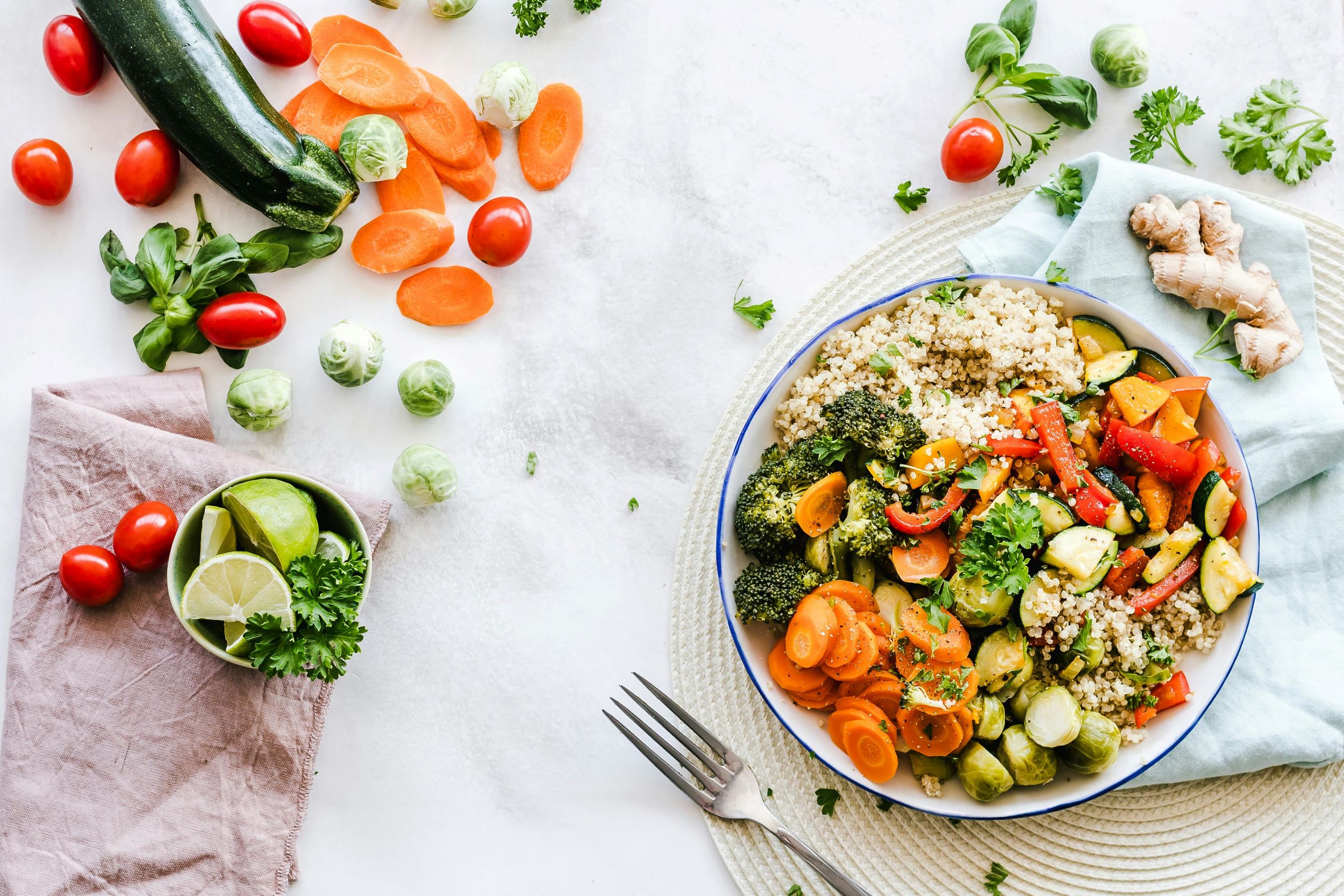
The BioMood project will study how following a Mediterranean diet during pregnancy affects the gut microbiome, metabolism, and inflammation, with the expectation that it will promote a healthier microbiome and better mental health.