
Search
Our Centre is involved with a wide range of research projects, many involving collaborating with partners to run trials of new technologies and treatments.
Find out how to participate in our research and community group
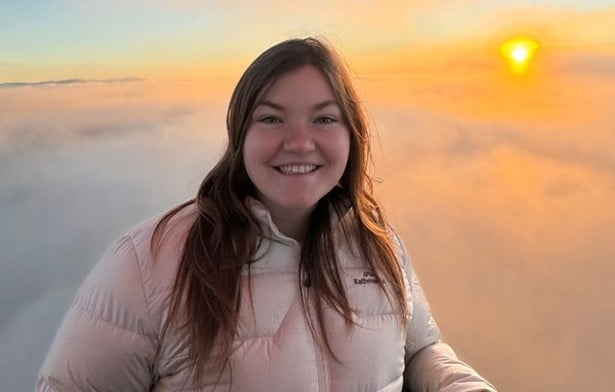
Consumer Representative Lauren Hope-Blyth
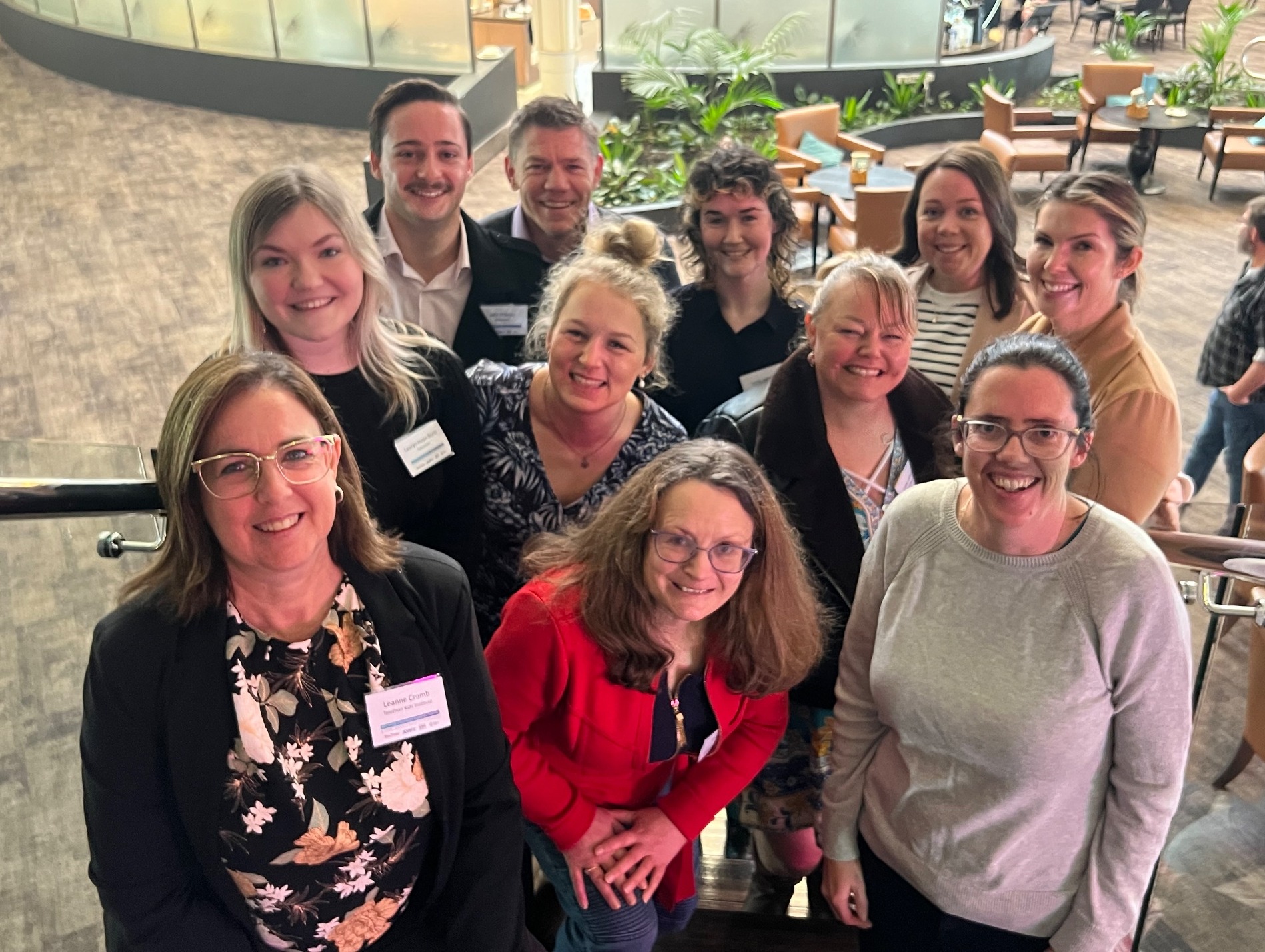
National committee members are a really important part of our research projects. Find out what they have been working on.
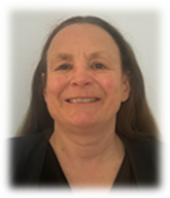
Consumer Representative Sharon Harvey
The Rio Tinto Children’s Diabetes Centre acknowledges the importance of those living with type 1 diabetes (T1D), those that care for them and the type 1 diabetes community (T1D community) in sharing your lived-experience.
with Leah Pascoe
Advancements in genomic profiling led to the discovery of four major molecular subgroups in medulloblastoma (MB), which have now been incorporated into the World Health Organization classification of central nervous system tumors. The current study aimed to determine the prognostic significance of the MB molecular subgroups among children in Malaysia.
A child's cancer diagnosis has a significant impact on the lives of grandparents. Grandparents experience the stress of worrying about both their adult children and their grandchildren. Our study aimed to explore the lived experience of grandparents of children diagnosed with cancer.
Pacific youth are at the forefront of the climate crisis, which has important implications for their health and rights. Youth in Fiji currently bear a disproportionate burden of poor experiences and outcomes related to their sexual and reproductive health and rights (SRHR). There is limited information about how the increasing climate impacts may affect their SRHR, and what the implications may be for climate action and disaster risk reduction.