
Search
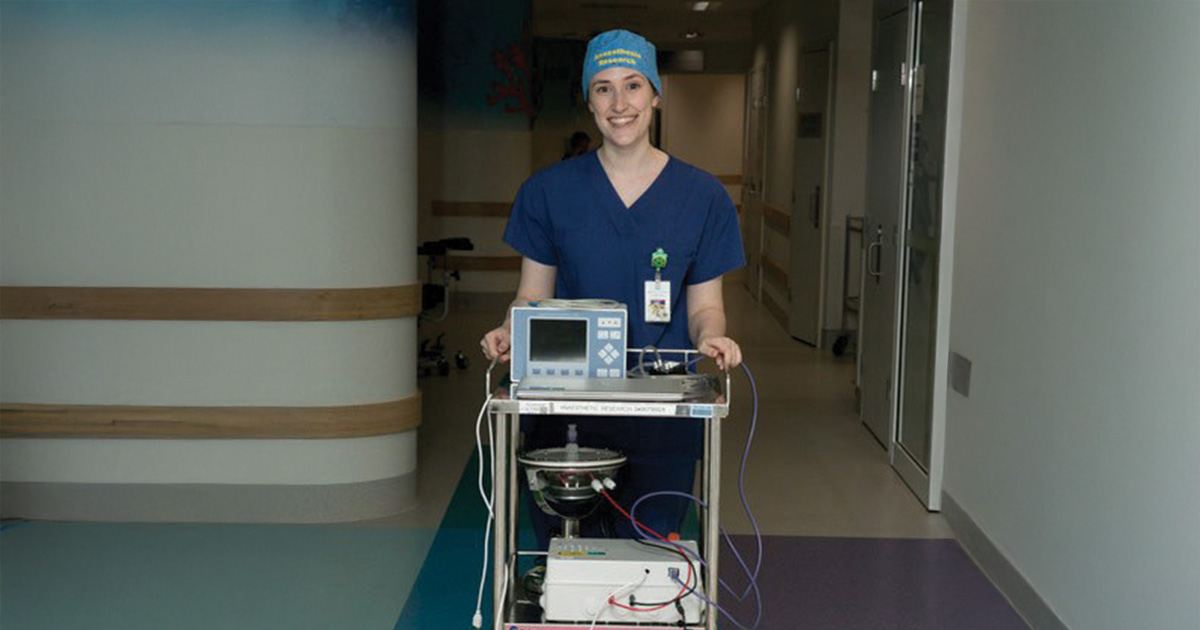
When kids are having surgery, the most common problem that can occur during anaesthesia is a respiratory adverse event.
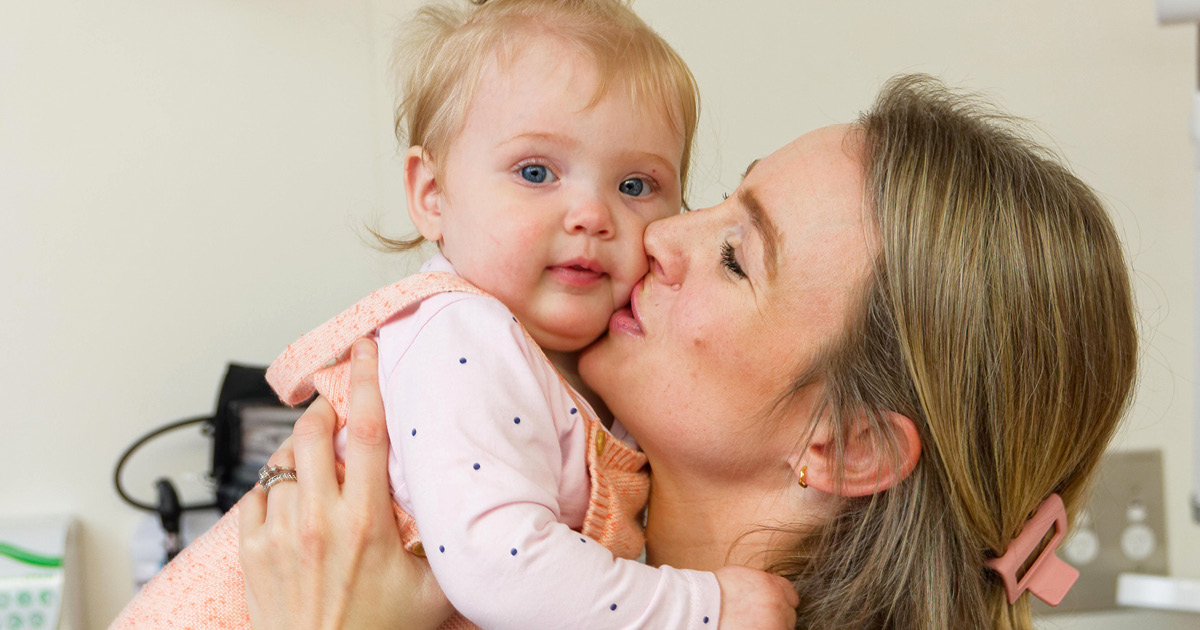
Prevention of respiratory syncytial virus (RSV) is now a real possibility thanks to the rollout of an immunisation program backed by a decade’s worth of epidemiological research led by The Kids Research Institute Australia.
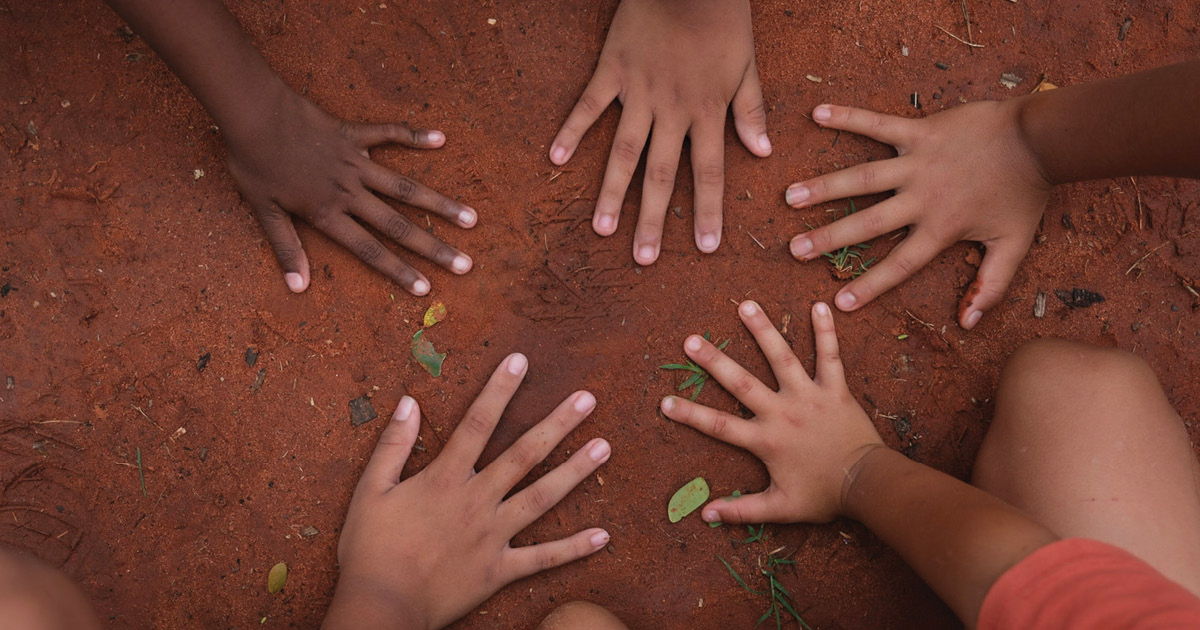
A Kimberley study seeking to better understand Strep A in remote settings is helping to guide new approaches to prevent acute rheumatic fever (ARF) – an auto-immune response that typically begins with a sore throat and causes high fever, tiredness and swollen joints.
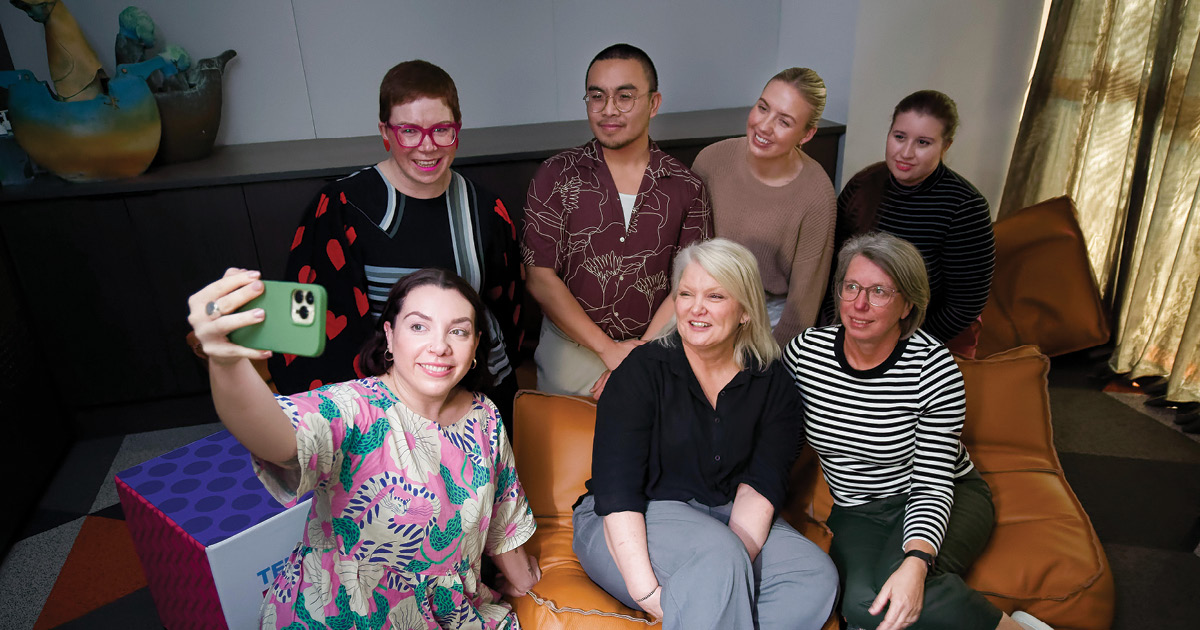
Early career researchers across The Kids Research Institute Australia have come together in a serendipitous project that is laying the groundwork for a more informed discussion of the impact of social media on kids and young people.
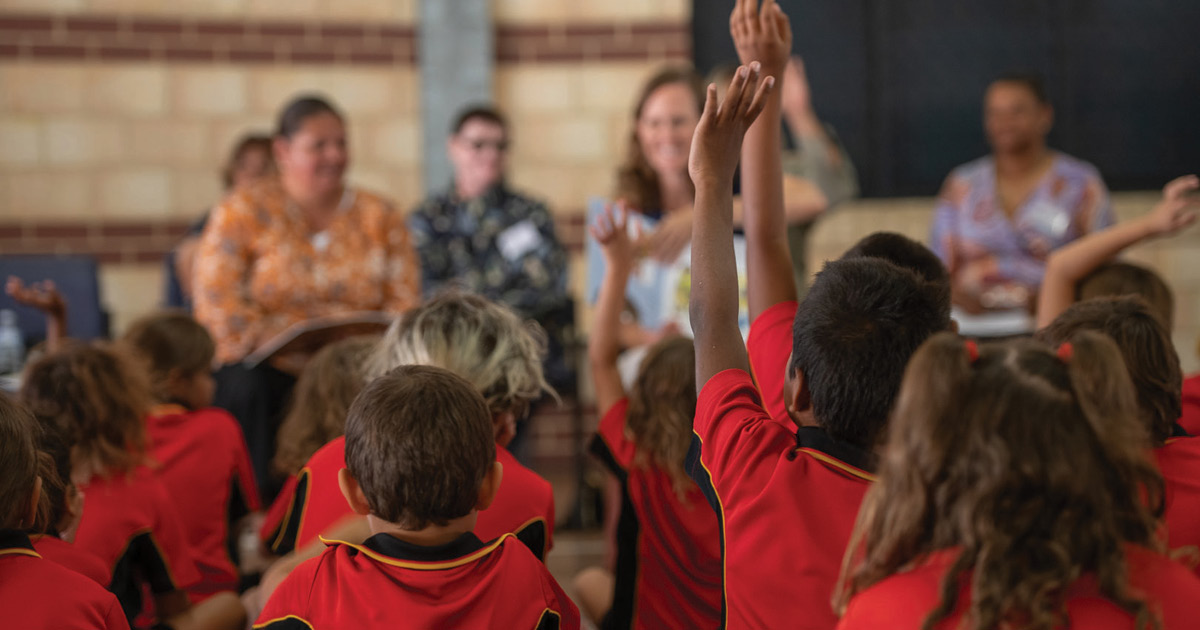
Healthy skin is a vital factor in the fight against life-threatening conditions like sepsis, heart disease and kidney disease, all of which can be caused by the bacteria Strep A.
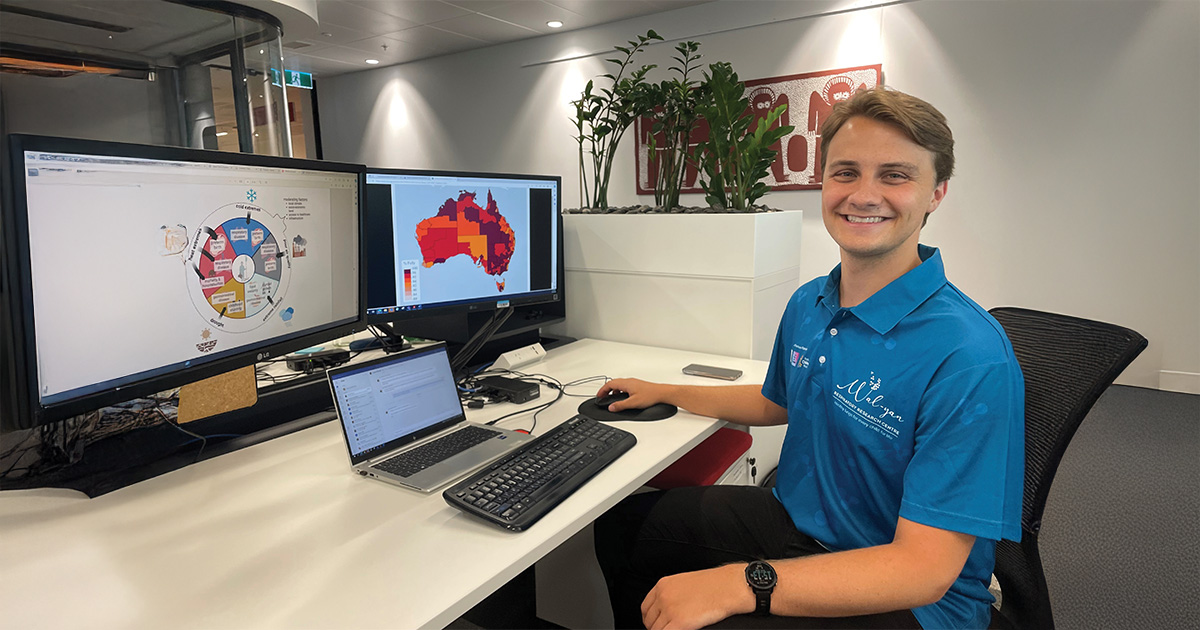
Researchers from The Kids Research Institute Australia who are working to better understand the serious threat climate change poses to children’s health have led a study revealing the dramatically heightened risk of preterm births as the world gets hotter.
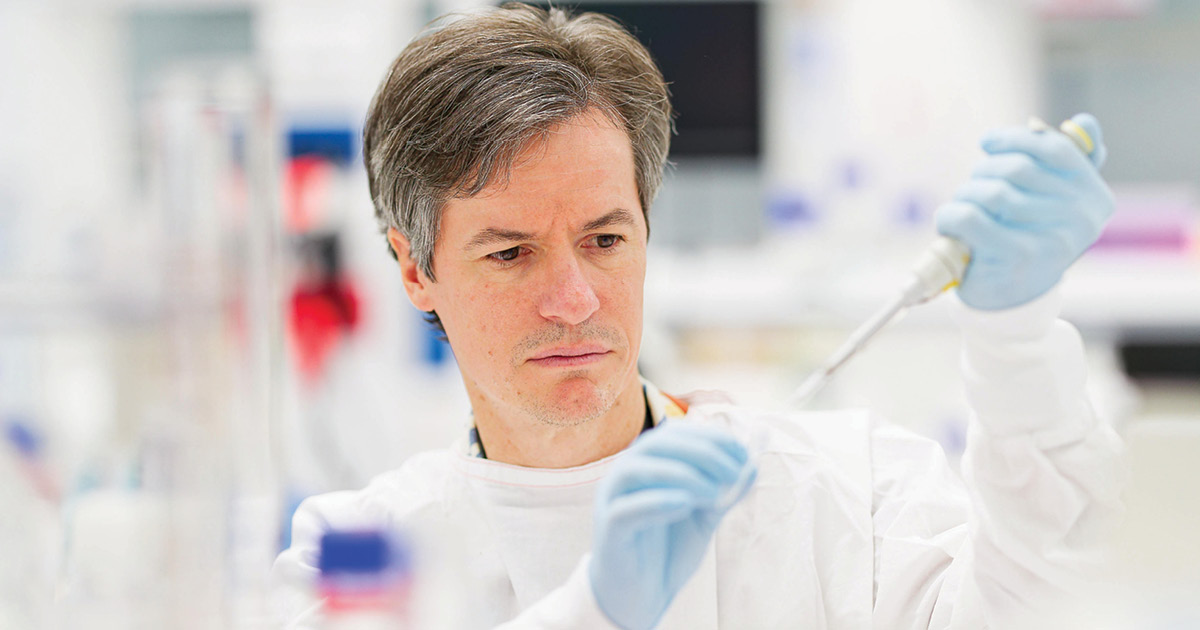
The Kids Research Institute Australia is playing a key role within a global team of experts whose work is transforming efforts to tackle a potentially deadly disease that disproportionately affects Aboriginal and Torres Strait Islander children in remote Australia.

In a world where TikTok dances and Minecraft adventures take centre stage, kids are spending more time online than ever before.
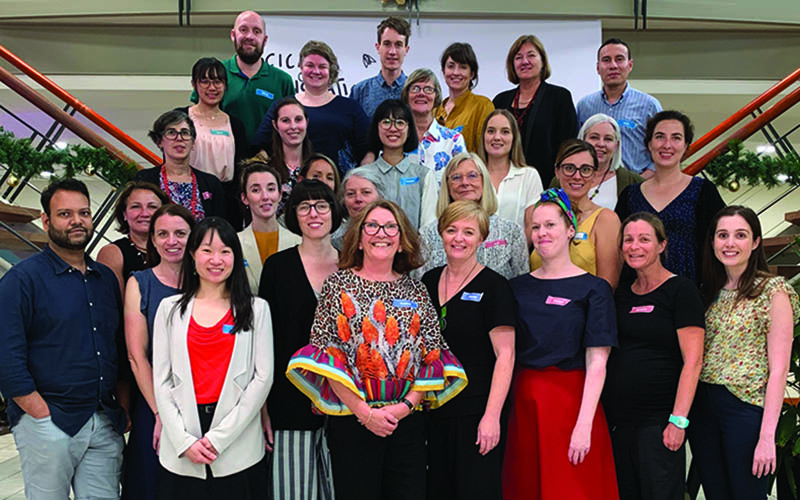
The FASD Research Australia Centre of Research Excellence (CRE) has substantially built the evidence base around FASD and had a significant impact on advocacy, policy and practice.
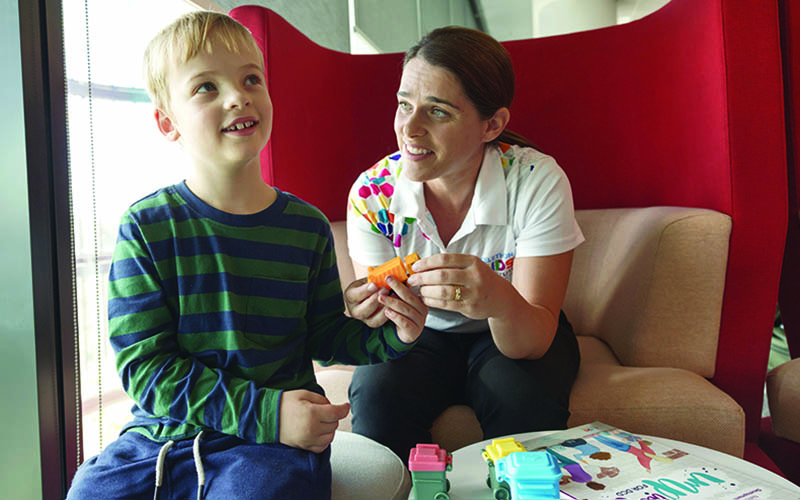
Meet Toby - he has developmental coordination disorder (DCD), a neurodevelopmental condition that causes delays and impairments in fine and gross motor skills.