
Search
Sickle cell disease (SCD) is an inherited red blood cell disease that results in a multitude of medical complications, including an increased risk of invasive disease caused by encapsulated bacteria, such as Streptococcus pneumoniae. Pneumococcal vaccines have contributed to a significant reduction in pneumococcal disease (PD) in children and adults, including those with SCD. This phase 3 study evaluated the safety and immunogenicity of V114, a 15-valent pneumococcal conjugate vaccine, in children with SCD.
Sickle cell disease (SCD) is an inherited red blood cell disease that results in a multitude of medical complications, including an increased risk of invasive disease caused by encapsulated bacteria, such as Streptococcus pneumoniae. Pneumococcal vaccines have contributed to a significant reduction in pneumococcal disease (PD) in children and adults, including those with SCD. This phase 3 study evaluated the safety and immunogenicity of V114, a 15-valent pneumococcal conjugate vaccine (PCV), in children with SCD.
Within the first 4 months of the Western Australian COVID-19 immunisation programme, 49 suspected anaphylaxis cases were reported to the vaccine safety surveillance system. Twelve reports met Brighton Collaboration case definition, corresponding to rates of 15.9 and 17.7 per million doses of Vaxzevria and Comirnaty administered respectively.
We compared mortality and morbidity of inborn versus outborn very preterm infants <32 weeks' gestation in Western Australia (WA) between 2005 and 2018
Cerebral palsy (CP) is a lifelong physical disability, resulting from maldevelopment or damage to the developing brain. All children with CP have a disorder of movement and posture, but this is often accompanied by disorders of intellect, sensation, behaviour and epilepsy. Long-standing CP registers and surveillance systems estimate the prevalence of CP as approximately 2 per 1000 live births; however variations are seen over time and in different regions of the world.
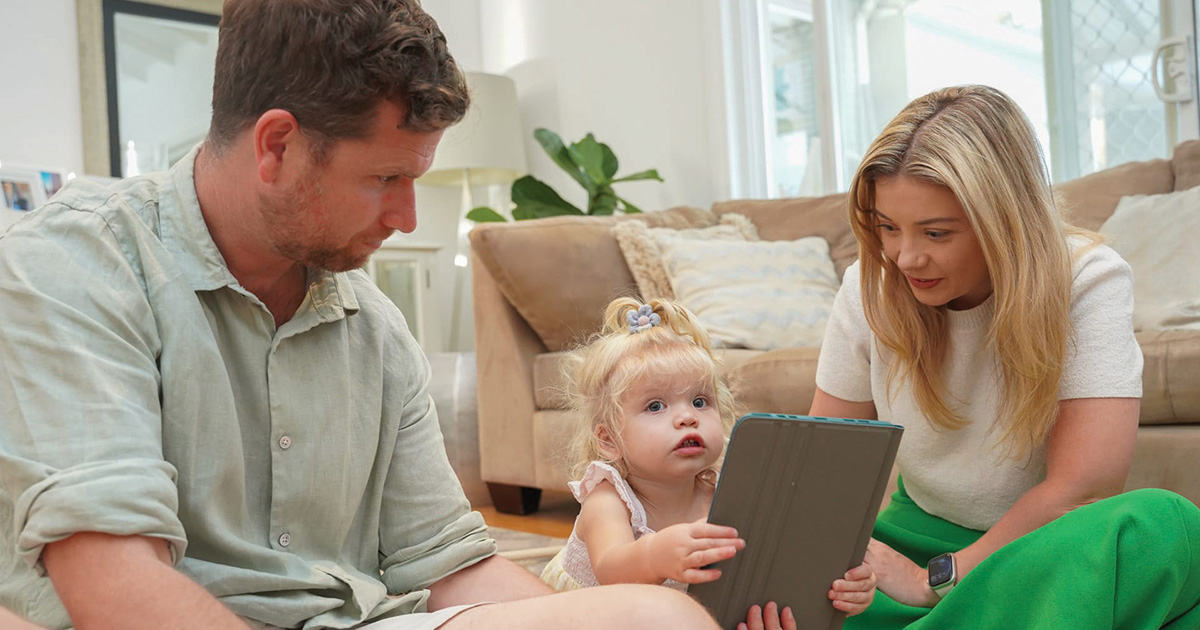
Toddlers exposed to screen time at home are hearing fewer words and making fewer vocalisations, findings from the first longitudinal study to measure the relationship between family screen use and children’s language development have shown.
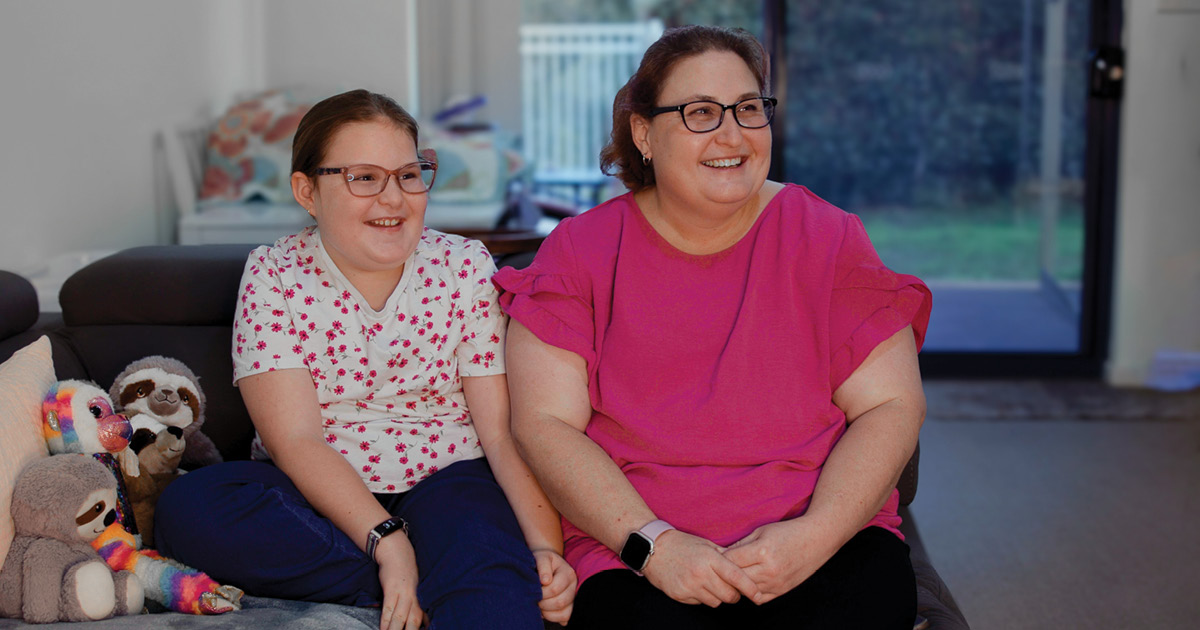
Helping children build resilience and cope with the trauma associated with medical emergencies and chronic health conditions is the focus of a promising pilot program being undertaken by The Kids Research Institute Australia.
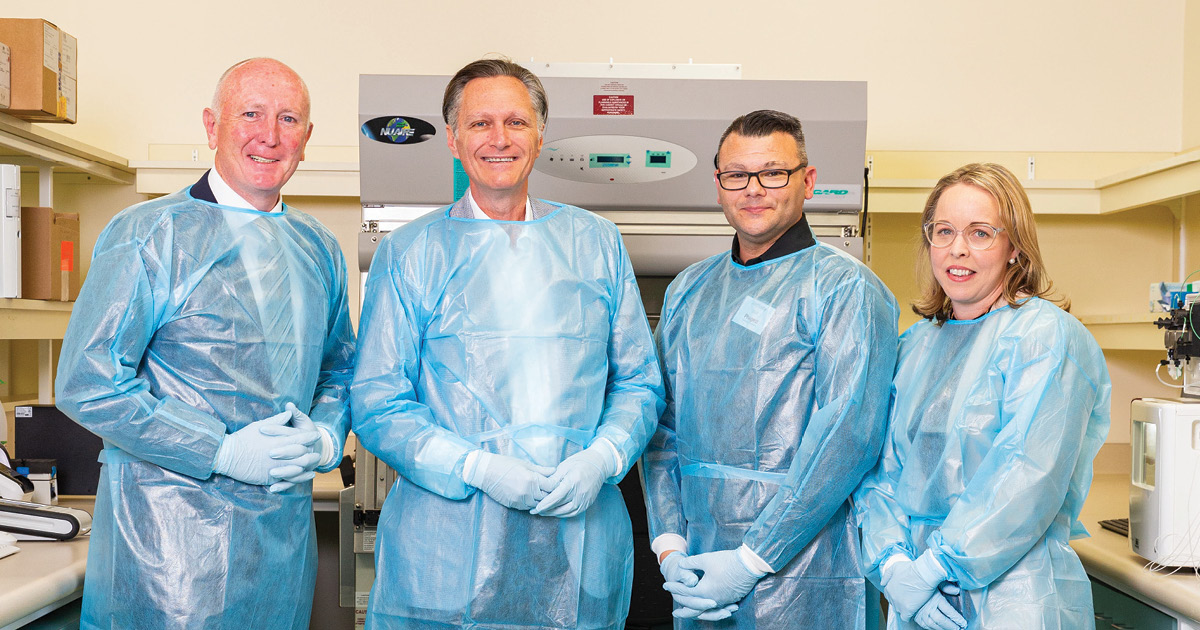
Western Australia’s first bacteriophage manufacturing facility has been opened in a significant development that brings patients battling antibiotic-resistant infections a step closer to life-saving phage therapy.

Nearly 170 years ago a British doctor applied geospatial mapping to identify the source of a cholera outbreak in central London.
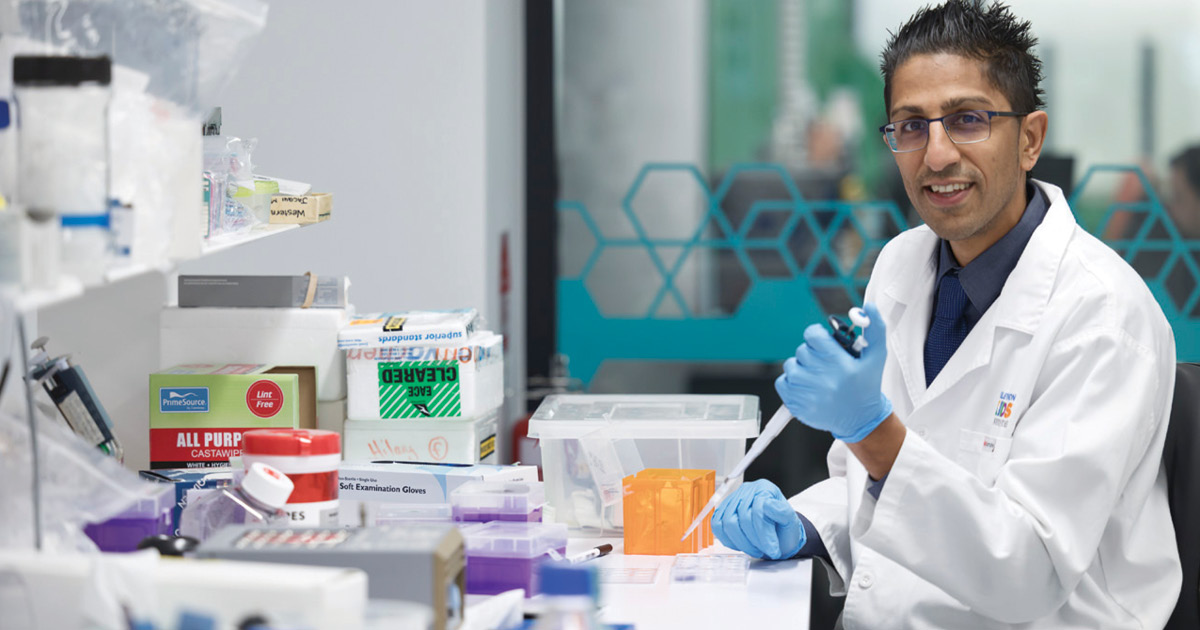
A pilot clinical study has found an immunotherapy drug can dramatically increase survival rates for babies with a rare form of leukaemia, paving the way for a major international clinical trial.