
Search
Previous meta-analyses have found higher self-compassion is associated with lower anxiety and depression. The aim of this study was to investigate the efficacy of self-compassion as an active ingredient in the treatment and prevention of anxiety and depression in youth. This was conducted through (i) a systematic review of the literature and (ii) qualitative consultation with young people and researchers in self-compassion.
Adolescents and young adults with chronic medical conditions report higher distress and lower wellbeing than their physically healthy peers. Previous research suggests that self-compassion is negatively correlated with distress and positively correlated with wellbeing among healthy young people, as well as adults with chronic medical conditions.
Self-regulation is a modifiable protective factor for lifespan mental and physical health outcomes. Early caregiver-mediated interventions to promote infant and child regulatory outcomes prevent long-term developmental, emotional and behavioural difficulties and improve outcomes such as school readiness, educational achievement and economic success. To harness the population health promise of these programmes, there is a need for more nuanced understanding of the impact of these interventions.
Unmet language and literacy needs are common among young people who are involved with youth justice systems. However, there is limited research regarding the functional text-level language skills of this population with regard to narrative macrostructure (story grammar) and microstructure (semantics and syntax) elements. In this study, we examined macrostructure and microstructure elements in the oral and written narrative texts of 24 adolescent students of a youth detention centre. The students, who were aged 14- to 17- years, were all speakers of Standard Australian English, and 11 (46%) students met criteria for language disorder (LD).
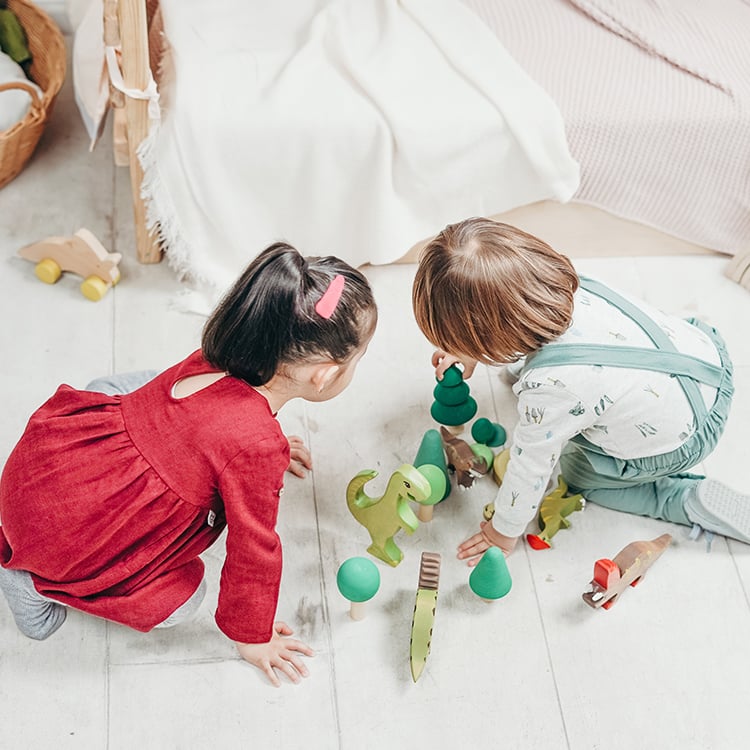
The Early Neurodevelopment and Mental Health team is focused on preventing childhood mental illness and optimising children’s development and wellbeing in the first years of their life. We are interested in understanding and identifying the factors that contribute to difficulties in mental health and development, as well as developing cost-effective prevention and early intervention approaches for addressing developmental needs and promoting resilience.
Staff Vincent Mancini – Senior Research Officer Yi-Huey Lim – Research Officer Juliet Brook – Research Assistant Karina Prentice – Research Assistant

Simple Science Communicating our research Towards better research translation and community impact What is Simple Science? Our Simple Science series

New year, new teachers, new classroom, new peers- it's no wonder that plenty of little kids (and parents) feel nervous as the first day of school approaches.
Years May January October April View the infographics that we have published in 2023 including building a secure attachment with your child, back to
View the infographics that we have published in 2023 including building a secure attachment with your child, back to school anxiety in little kids, playful parenting, and more.