
Search
To investigate the feasibility of implementing recommendations of the consensus statement for the Prevention and Management of Respiratory Disease in children with severe cerebral palsy (CP) via RESPiratory hospital Admissions in children with cerebral palsy: a feasibility randomized Controlled Trial (RESP-ACT).

Researchers have shown that the so called 'autism epidemic' is due to an increase in the diagnosis of children with less severe behavioural symptoms.
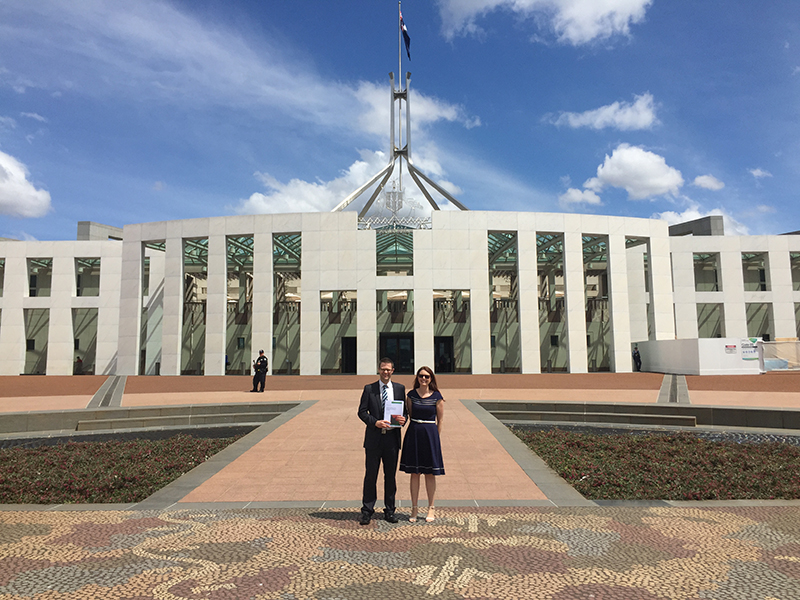
Researchers from The Kids Research Institute Australia, working with the Autism CRC, have led the development of the National Guideline for the Assessment and Diagnosis of Autism Spectrum Disorder in Australia which was launched today.
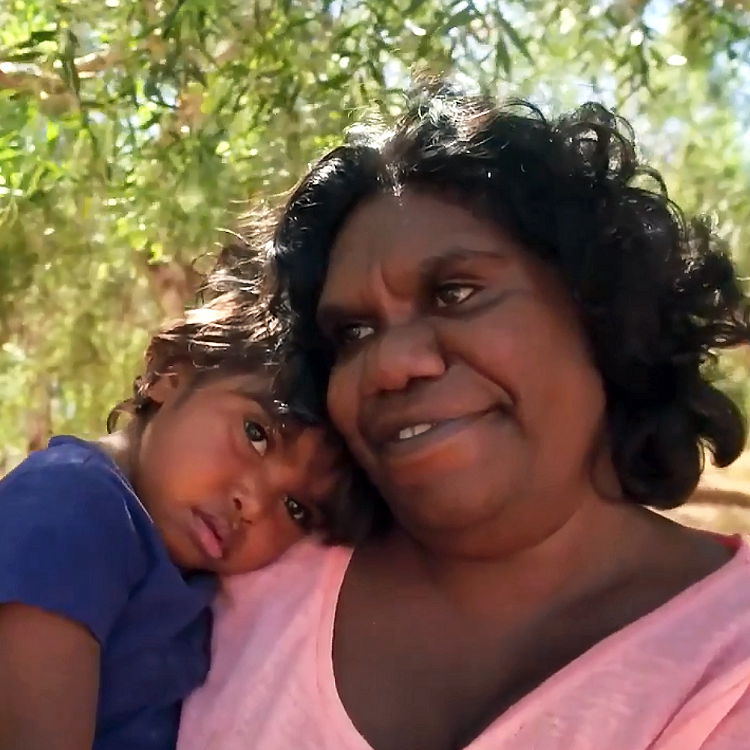
To mark International FASD Awareness Day, The Kids will launch a series of health promotion videos that feature local Aboriginal community members.
A The Kids Research Institute Australia researcher has been awarded $10,000 in State Government research support funding.
The Kids Research Institute Australia's Professor Carol Bower is not surprised by new research that shows alcohol use in pregnancy is 'common'.

Young Minds Matter is the second Australian Child and Adolescent Survey of Mental Health and Wellbeing.
Pregnancy and early infancy are increased risk periods for severe adverse effects of respiratory infections. Aboriginal and/or Torres Strait Islander (respectfully referred to as First Nations) women and children in Australia bear a disproportionately higher burden of respiratory diseases compared to non-Indigenous women and infants. Influenza vaccines and whooping cough (pertussis) vaccines are recommended and free in every Australian pregnancy to combat these infections.
Mesothelioma is characterised by its aggressive invasive behaviour, affecting the surrounding tissues of the pleura or peritoneum. We compared an invasive pleural model with a non-invasive subcutaneous model of mesothelioma and performed transcriptomic analyses on the tumour samples.
We examined the moderating effects of parent perceptions of the neighbourhood environment on associations between objectively measured neighbourhood environment attributes and physical activity among pre-schoolers. The number of neighbourhood parks was positively associated with pre-schooler energetic play when parents had above average perceptions of access to services.