
Search
While international evidence suggests seasonal variations may influence outcomes of interventions for pediatric obesity, data for Aotearoa New Zealand are limited. We examined seasonal variations in changes in body mass index standard deviation score (BMI SDS) in young people with obesity enrolled in an intervention programme.
Children are disproportionately affected by the negative health effects of climate change. We did a systematic review to synthesise the available evidence on tested interventions to improve child health in response to the impacts of climate change.
One third of Australian children diagnosed with type 1 diabetes present with life-threatening diabetic ketoacidosis (DKA) at diagnosis. Screening for early-stage, presymptomatic type 1 diabetes, with ongoing follow-up, can substantially reduce this risk (<5% risk). Several screening models are being trialled internationally, without consensus on the optimal approach. This pilot study aims to assess three models for a routine, population-wide screening programme in Australia.
Following reduction of public health and social measures concurrent with SARS-CoV-2 Omicron emergence in late 2021 in Australia, COVID-19 case notification rates rose rapidly. As rates of direct viral testing and reporting dropped, true infection rates were most likely to be underestimated.
Dietary patterns characterised by high intakes of vegetables may lower the risk of pre-eclampsia and premature birth in the general population. The effect of dietary patterns in women with type 1 diabetes, who have an increased risk of complications in pregnancy, is not known.
Overweight and obesity in children continues to increase. Yet, the role of active transport, namely walking, in mitigating these trends remains unclear. This study examined the cross-sectional association between walkability and children's Body Mass Index (BMI) and how this varies by socio-economic and lifestyle characteristics.
This study identified alignment of indicators across different initiatives and data collection instruments as a foundation for future harmonization of adolescent health measurement.
Neonatal sepsis remains one of the key challenges of neonatal medicine, and together with preterm birth, causes almost 50% of all deaths globally for children younger than 5 years. Compared with advances achieved for other serious neonatal and early childhood conditions globally, progress in reducing neonatal sepsis has been much slower, especially in low-resource settings that have the highest burden of neonatal sepsis morbidity and mortality.
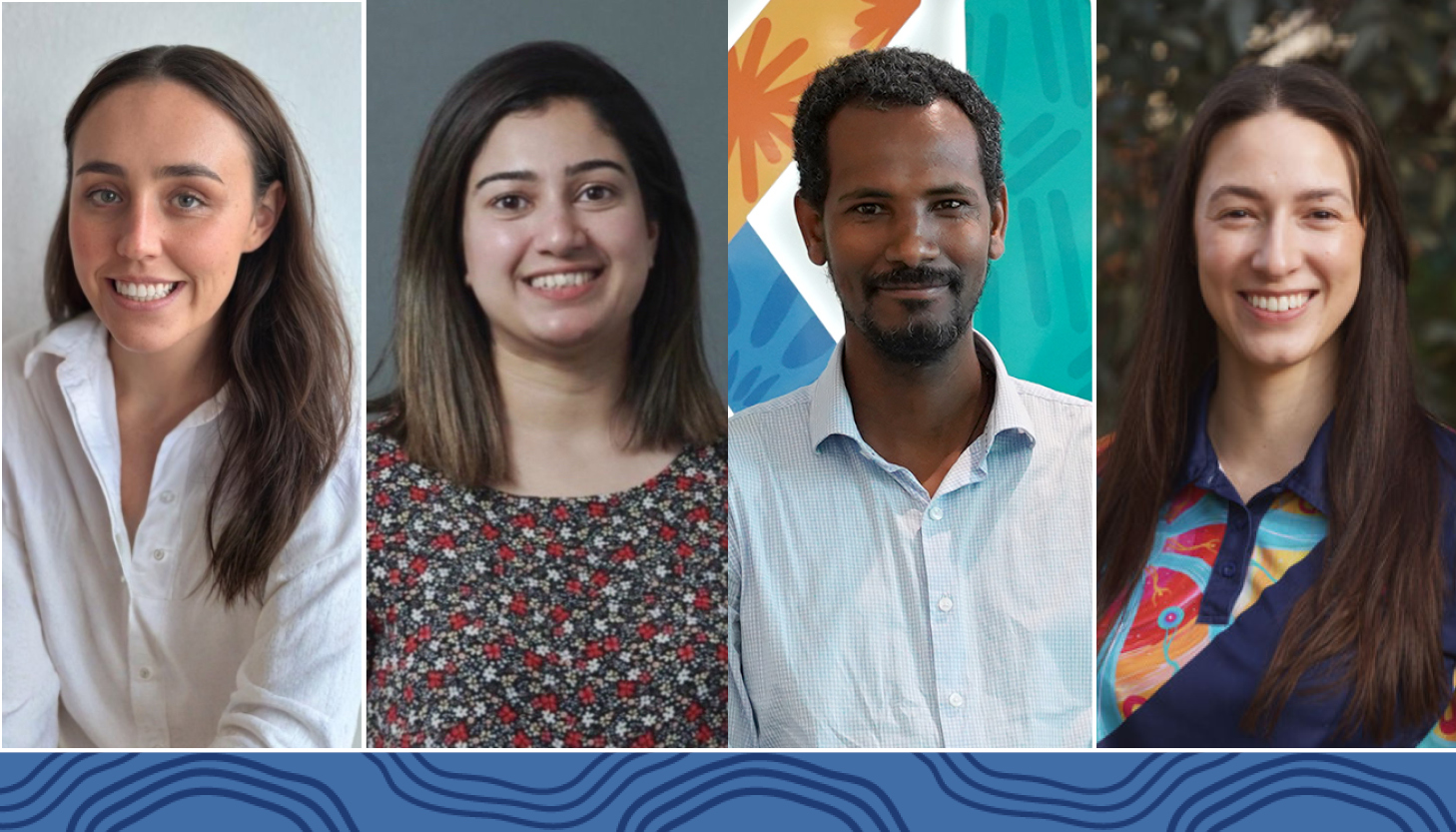
Congratulations to four outstanding early-career researchers from The Kids Research Institute Australia, who have been awarded BrightSpark Foundation fellowships and project funding for 2026.

Eight outstanding researchers from The Kids Research Institute Australia and the Institute-led Broome STEM Festival are finalists in the 2025 Premier’s Science Awards.