
Search
Mucopolysaccharidosis type IIIA (MPS IIIA) is characterized by neurological and skeletal pathologies caused by reduced activity of the lysosomal hydrolase, sulfamidase, and the subsequent primary accumulation of undegraded heparan sulfate (HS). Respiratory pathology is considered secondary in MPS IIIA and the mechanisms are not well understood.

The Wal-yan Respiratory Research Centre is thrilled to see three researchers awarded prestigious Medical Research Future Fund (MRFF) Chronic Respiratory Conditions grants to improve lung health in children.
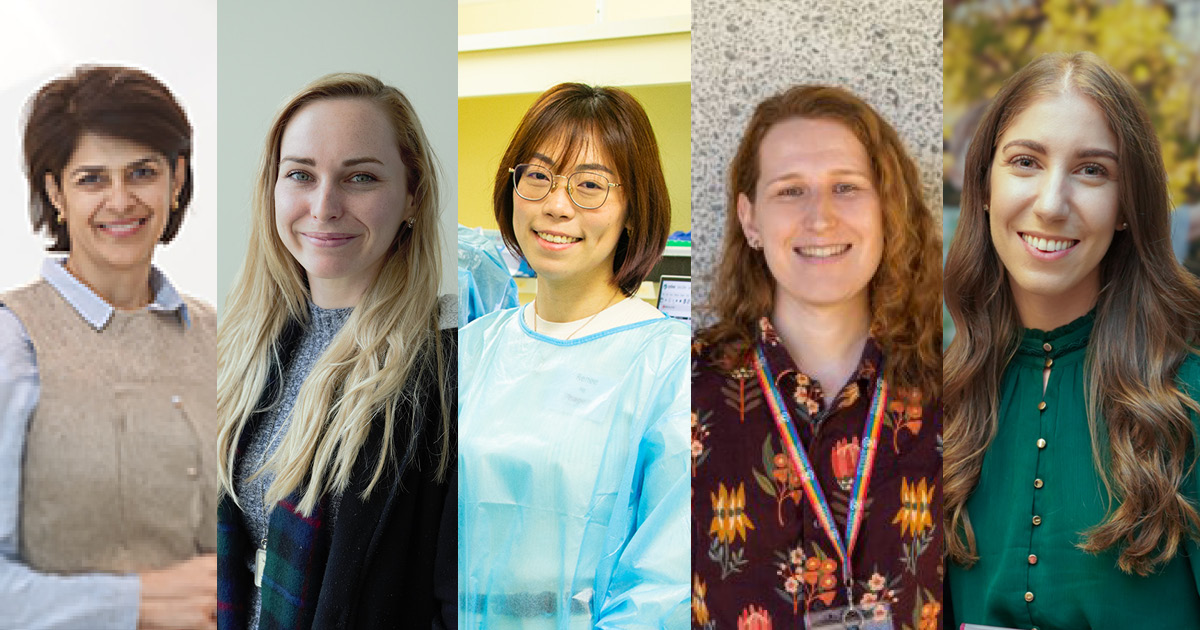
Five researchers from The Kids Research Institute Australia have been awarded three-year fellowships with the aim of keeping more WA-based PhD graduates involved in child health research.
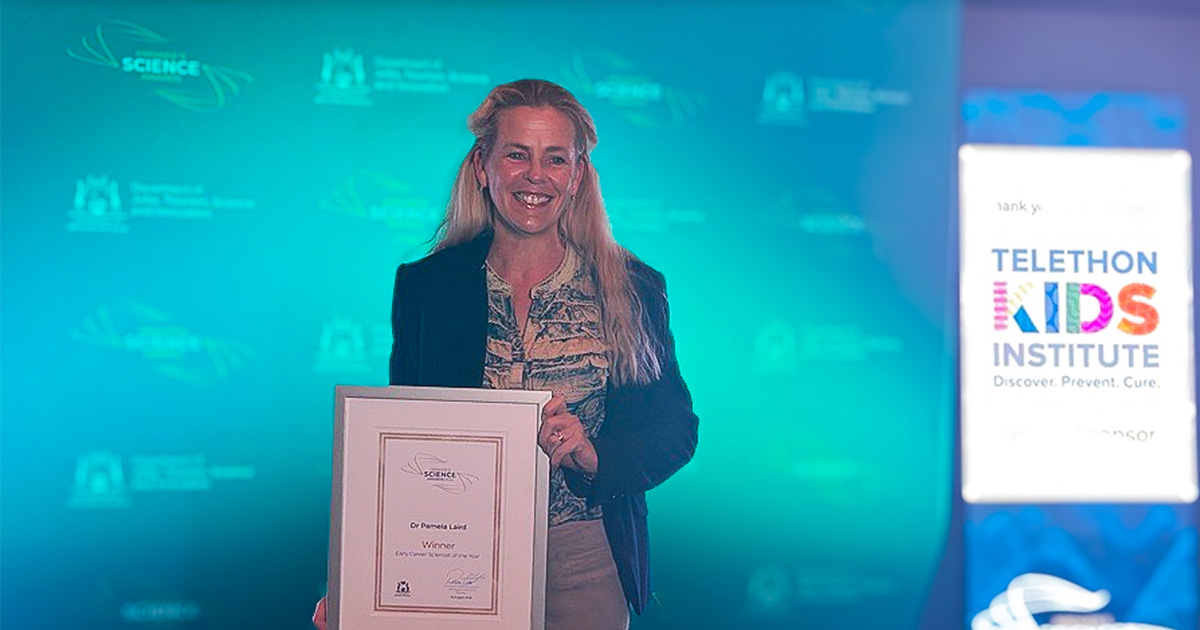
Congratulations to respiratory health researcher and clinician Dr Pam Laird, who was last night named joint winner of Early Career Scientist of the Year at the 2024 Premier’s Science Awards.

Eight The Kids Research Institute Australia-led projects will benefit from the latest round of WA Child Research Fund (WACRF) grants, announced this week by Medical Research Minister Stephen Dawson.
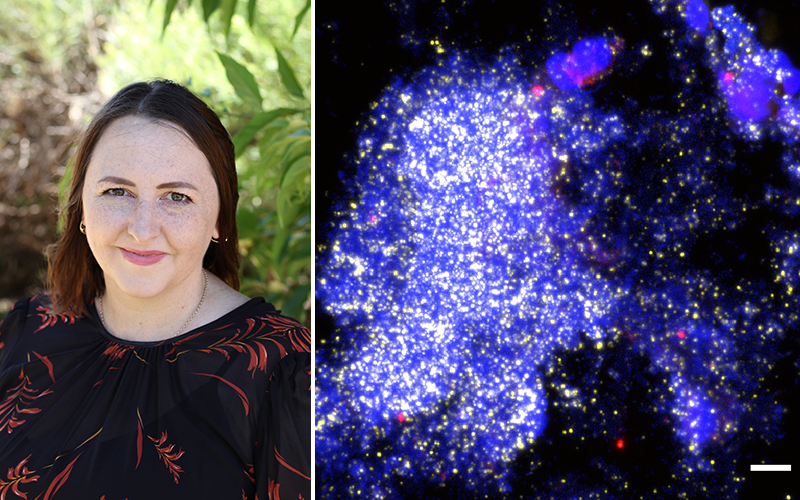
Researchers using powerful microscopes have identified bacterial slime in the lungs of some children with persistent wet coughs.
Antisense oligonucleotides are an emerging therapeutic option to treat diseases with known genetic origin. In the age of personalised medicines, antisense oligonucleotides can sometimes be designed to target and bypass or overcome a patient's genetic mutation, in particular those lesions that compromise normal pre-mRNA processing. Antisense oligonucleotides can alter gene expression through a variety of mechanisms as determined by the chemistry and antisense oligomer design.
Phage therapy is a promising approach against multidrug-resistant infections, yet systemic administration can lead to incomplete cures. We investigated the distribution, immune responses, and efficacy of the therapeutic phage KPP10 delivered via intranasal or intraperitoneal routes in murine Pseudomonas aeruginosa lung infection models.
Despite a high burden of respiratory disease among infants globally, limited options exist for lung function testing in this age group. Tidal breathing techniques such as oscillometry allow for understanding the pathophysiology of diseases that originate early in life, thus providing the opportunity to develop timely prevention and treatment strategies.
To provide updated evidence-based clinical guidance in the management of infants with bronchiolitis presenting to emergency departments (EDs), general paediatric, or intensive care units (ICUs) in Australia and Aotearoa New Zealand (AoNZ) following the first publication in 2016.