
Search
We aimed to determine the significance of minor heart valve abnormalities, including Borderline RHD, in predicting the future risk of acute rheumatic fever.
This study was undertaken to provide a comprehensive examination of rheumatic heart disease mortality rates and trends in Indigenous Australians.
The global burden of non-communicable diseases (NCDs) continues to grow. Although developing settings face fastest growth in incidence, no country is exempt.
The association between group A streptococcal infection and rheumatic fever (RF) was established in the early 20th century.
This editorial refers to ‘Characteristics, complications, and gaps in evidence-based interventions in rheumatic heart disease: the Global Rheumatic Heart...
The review built a case for extending simple and cost–effective measures to all countries. Had these recommendations been put into action, significant...

Head, Strep A Translation; Co-Founder of REACH
As Head of Aboriginal Research Development at Telethon Kids, Glenn Pearson believes his work brings us closer to identifying the real and whole Australian story
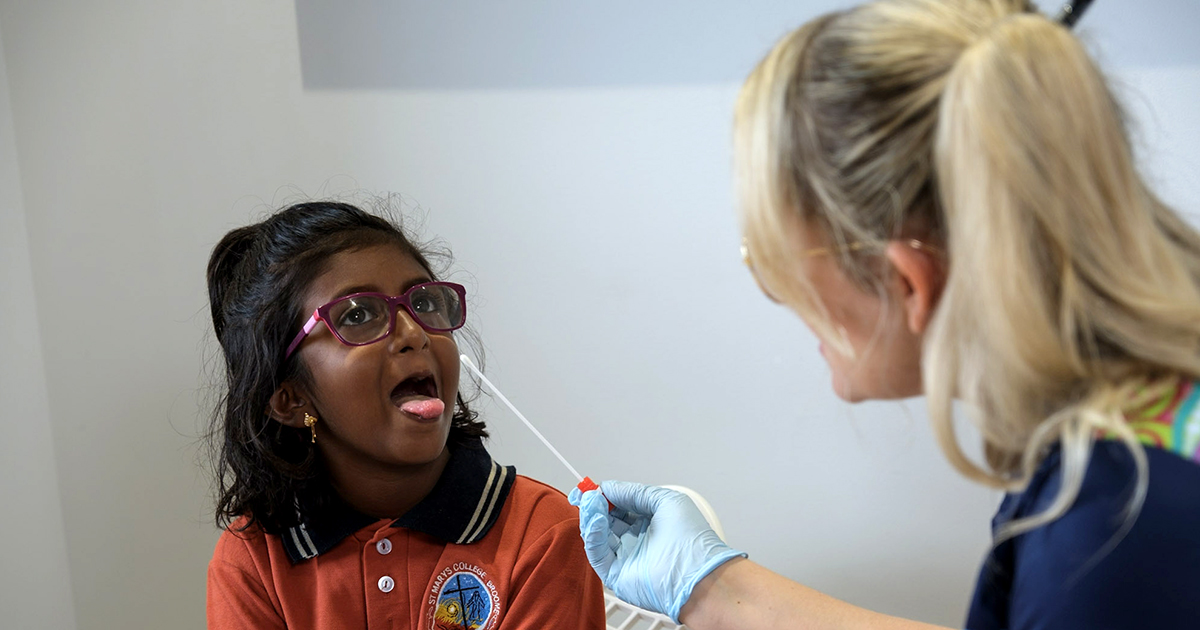
New research has revealed that molecular point-of-care testing (POCT) can significantly improve detection of Group A Streptococcal (Strep A) pharyngitis compared to laboratory culture – particularly in remote communities, where results can take up to seven days – unlocking a major opportunity to prevent rheumatic

A team led by Dr Joseph Kado from the Wesfarmers Centre of Vaccines and Infectious Diseases, based at The Kids Research Institute Australia, and The University of Western Australia (UWA) has been awarded $5 million by the Federal Government in a major push to prevent rheumatic heart disease across the Pacific.