Skip to content
The Kids Research Institute Australia logo
Donate

Search

News & Events

Telethon supports vital child health research projects

The generous support of West Australians through Channel 7’s Telethon Trust will help support crucial child health research at The Kids Research Institute Australia in 2022.

Research

Skin Infections

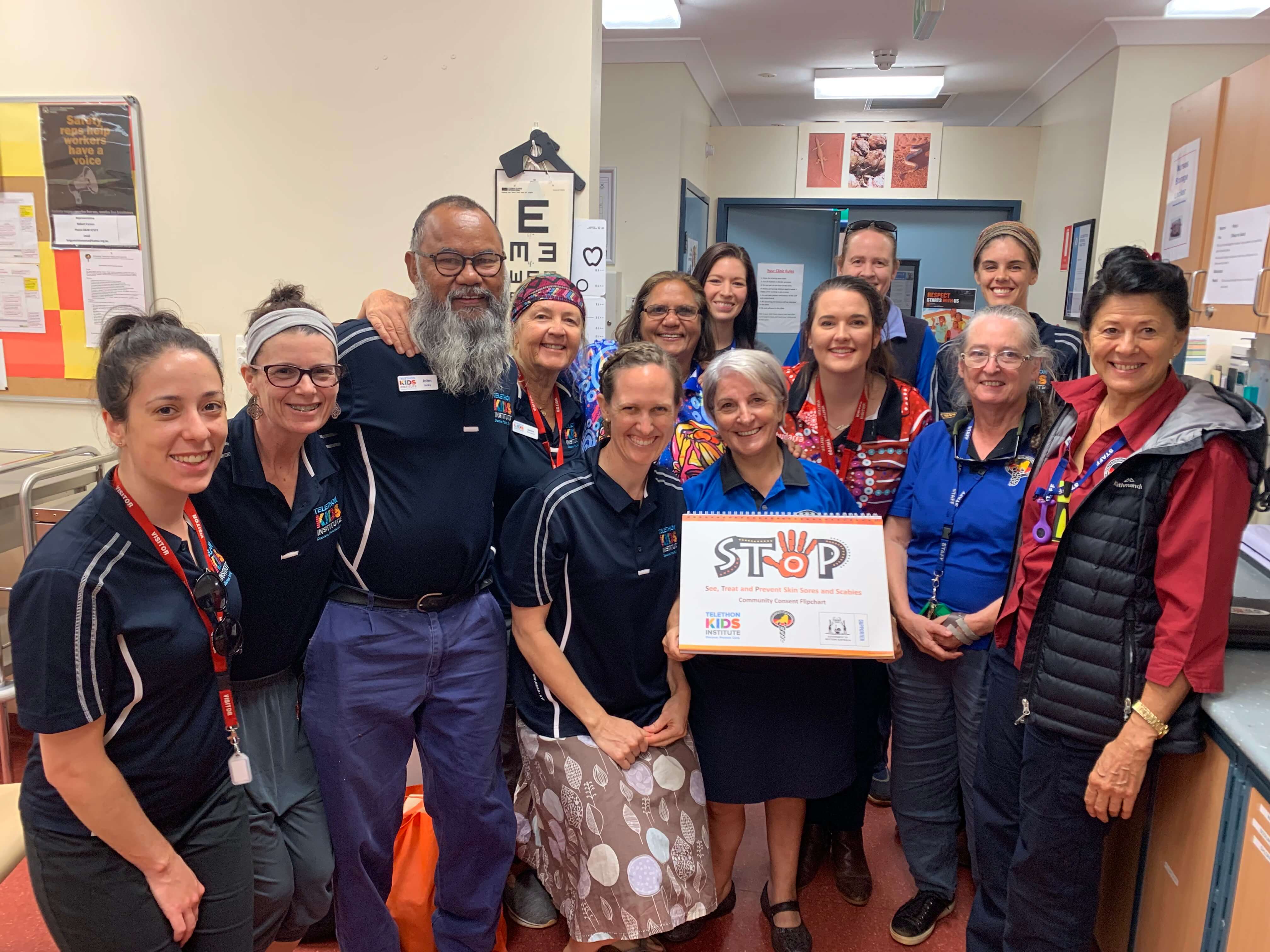
Our skin, the body’s largest organ, protects us and maintains overall health. Untreated recurring skin infections like impetigo and scabies severely impact children. The Kids is at the forefront of combatting skin infections, particularly within remote Aboriginal communities experiencing some of the world’s highest rates.

Latest news & events

Latest news & events at the Wesfarmers Centre of Vaccines & Infectious Diseases.

News & Events

Researchers share their expertise with the community in Cockburn

Researchers from the Wesfarmers Centre of Vaccines and Infectious Diseases at The Kids Research Institute Australia have shared their expertise with the community in Cockburn, covering topics ranging from respiratory disease in babies to recurring ear infections in kids.

News & Events

Warm Welcome for the Neonatal Infection and Immunity Team

Clinical Professor Tobias Strunk, Dr Andrew Currie and their Neonatal Infection and Immunity Team have become the newest members of the Wesfarmers Centre of Vaccines and Infectious Diseases.

Research

The Hospitalization Cost of Pediatric Staphylococcus aureus Bacteremia

Staphylococcus aureus bacteremia (SAB) is the most common cause of childhood sepsis contributing to pediatric intensive care unit admission. The cost of adult SAB hospitalization is well described globally, but limited costing information is available for children. To bridge this knowledge gap, we investigated the cost of hospitalization in children with SAB in Australia.

Research

Consensus guidelines for the diagnosis and management of invasive aspergillosis, 2021

Invasive aspergillosis (IA) in haematology/oncology patients presents as primary infection or breakthrough infection, which can become refractory to antifungal treatment and has a high associated mortality. Other emerging patient risk groups include patients in the intensive care setting with severe respiratory viral infections, including COVID-19.

Research

Introduction to the updated Australasian consensus guidelines for the management of invasive fungal disease and use of antifungal agents in the haematology/oncology setting, 2021

This article introduces the fourth update of the Australian and New Zealand consensus guidelines for the management of invasive fungal disease and use of antifungal agents in the haematology/oncology setting. These guidelines are comprised of nine articles as presented in this special issue of the Internal Medicine Journal. This introductory chapter outlines the rationale for the current update and the steps taken to ensure implementability in local settings.

Research

Consensus guidelines for improving patients' understanding of invasive fungal disease and related risk prevention in the haematology/oncology setting, 2021

Patients with invasive fungal disease (IFD) are at significant risk of morbidity and mortality. A productive partnership between patients, their carers/families, and the multidisciplinary team managing the infection and any underlying conditions, is essential.

Research

Primary prevention of acute rheumatic fever

Acute rheumatic fever (ARF) is an abnormal immune reaction following Streptococcus pyogenes (Strep A) infection of the throat, and likely the skin. Primary prevention is the prompt and appropriate antibiotic treatment of Strep A infection, and it can reduce the risk of developing ARF and subsequent rheumatic heart disease.