
Search
This paper examined the link between low serum Vitamin D levels and development of non-alcoholic fatty liver disease (NAFLD) in adolescents between 14 and 17...
This paper is a comment in response to a review of Vitamin D status and its association with ill health.
We aimed to examine genetic and nongenetic determinants of change in serum 25-hydroxyvitamin D (25(OH)D) after supplementation.
New evidence indicates that both high and low 25(OH)D levels may be associated with increased health risks.
We tested whether there is a causal association between vitamin D deficiency, airway smooth muscle (ASM) mass, and the development of airway hyperresponsiveness

Felix was one of 195 children to take part in Dr Debbie Palmer’s research into sunlight exposure, vitamin D and eczema.
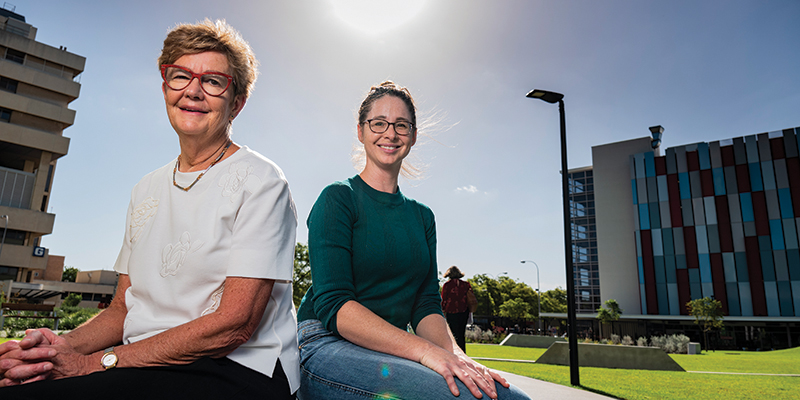
For decades Aussies have been told to minimise sun exposure to prevent skin cancer - now researchers at Telethon Kids are challenging that message.
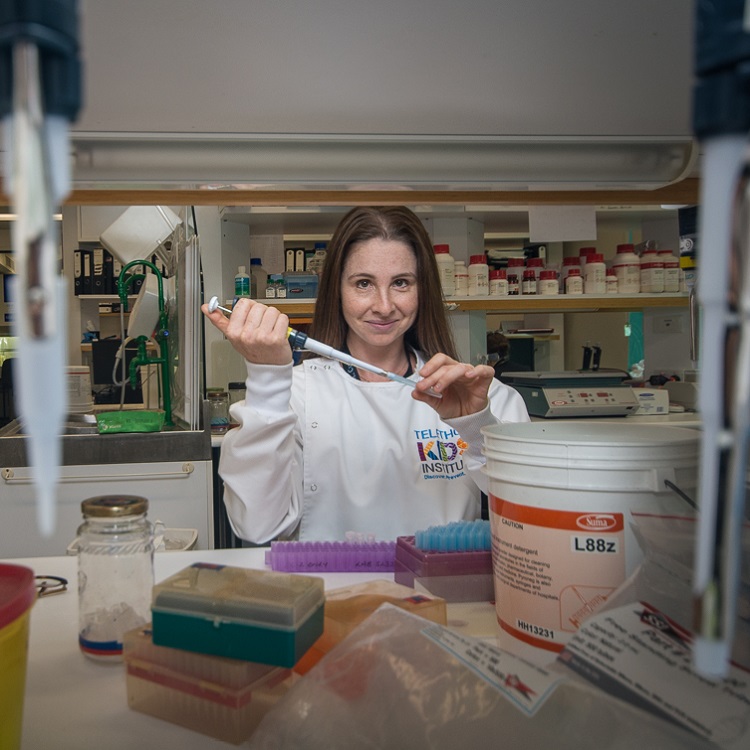
The Kids researcher Dr Shelley Gorman has received a Healthway grant to develop an online tool to promote safe sun behaviours to teenagers.
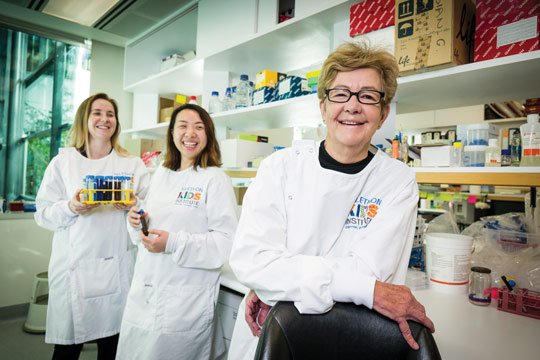
Researchers at The Kids Research Institute Australia are continuing to hone in on the effects of ultraviolet radiation and vitamin D on the immune system.
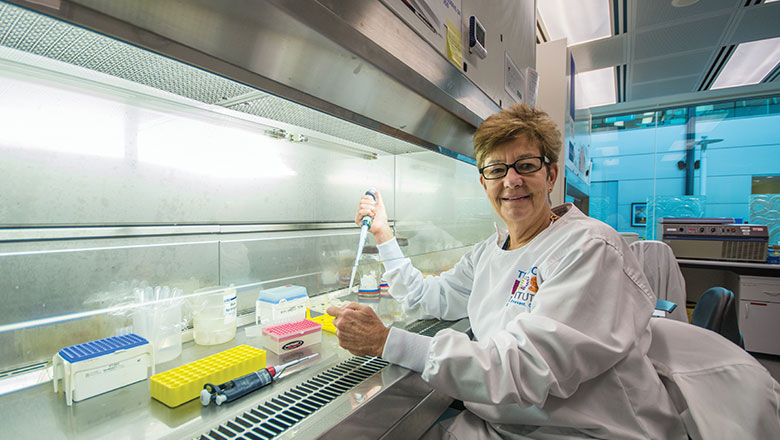
The D-Light program, set up in 2014, aims to shed light on the amount of sun exposure that will promote good health in children and adolescents.