
Search
Although Streptococcus pyogenes (Strep A) is the sixth-most common infectious disease globally, its transmission within the household remains an understudied driver of infection. We undertook a systematic review to better understand the transmission of Strep A among people within the home, while highlighting opportunities for prevention.
Indigenous peoples in high income countries are disproportionately affected by Type 2 Diabetes. Socioeconomic disadvantages and inadequate access to appropriate healthcare are important contributors.
Within the vast majority of qualitative health research involving Indigenous populations, Indigenous people have been marginalised from research conceptualisation and conduct. This reflects a lack of regard for Indigenous ways of knowing, being, and doing, has served to perpetuate deficit narratives of Indigenous peoples’ health and wellbeing, and contributes to failure in addressing inequities as a result of ongoing colonisation and institutionalised oppression and racism.
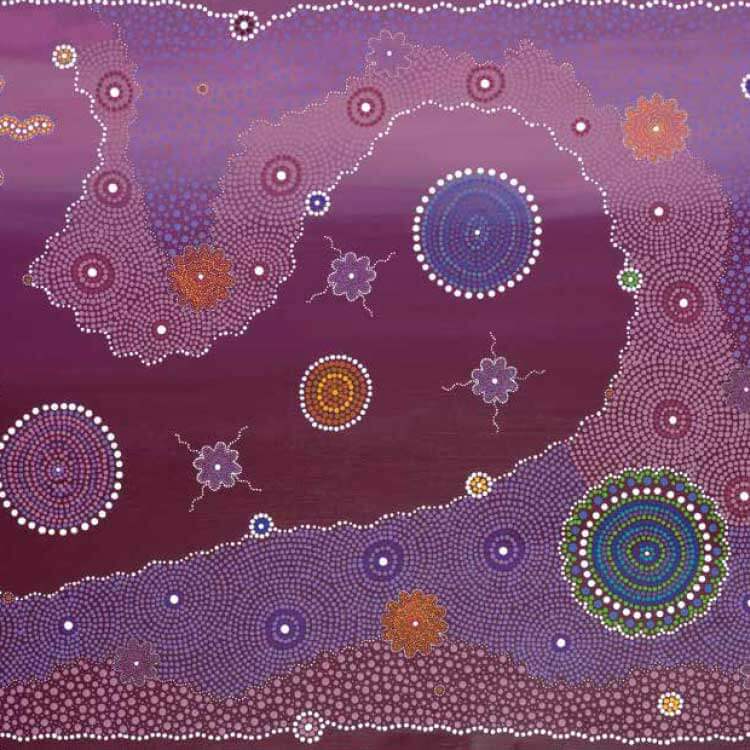
This 2nd edition is intended for staff and students and all health practitioners working in areas that support Indigenous mental health and wellbeing.
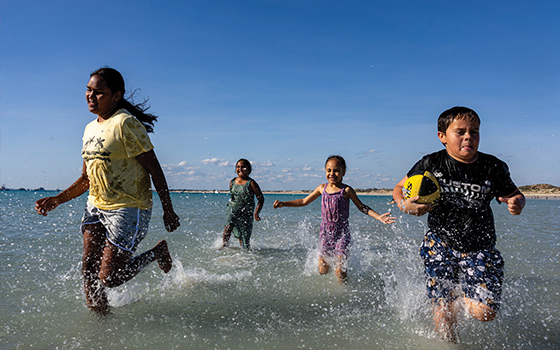
WAACHS was the largest and most comprehensive survey ever undertaken into the health, wellbeing & development of WA Aboriginal and Torres Strait Islander kids
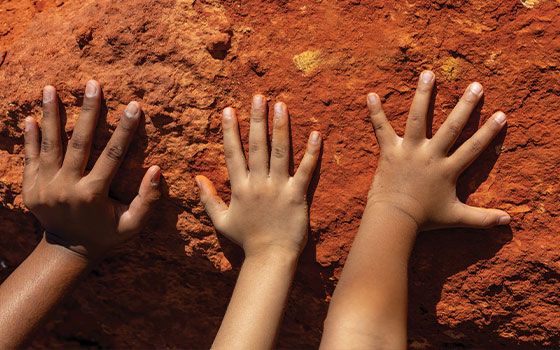
Facilitate research interest & opportunities that involve Aboriginal families & communities and build the capacity and development of Institute researchers
Strengthening the capacity of Aboriginal children, families and communities
This study examines the enablers and barriers to accessing primary health care services from the perspective of Aboriginal and Torres Strait Islander people aged 15-24 years in urban southeast Queensland.
Otitis media (OM) is a significant health concern, particularly among Aboriginal and/or Torres Strait Islander children who experience one of the highest rates of OM globally. This study aimed to evaluate the use and differences of wideband absorbance at ambient pressure (WBA) among urban Aboriginal and/or Torres Strait Islander and non-Aboriginal children with suspected OM based on standard tympanometry.
Children's development is dependent on a range of factors influencing their life course outcomes. Protective and challenging social and cultural determinants impact how Indigenous families support their children's developmental foundations. However, there is a lack of international evidence investigating Indigenous child development interventions.