
Search
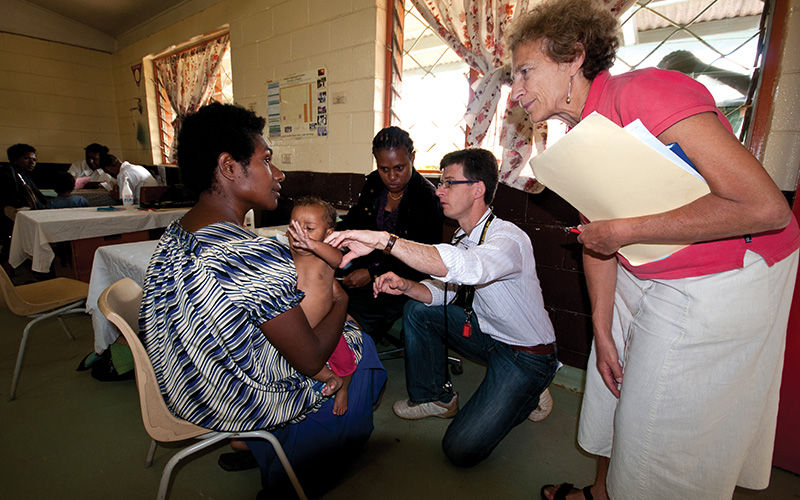
New research has revealed the extraordinary impact of a collaborative project between The Kids Research Institute Australia and the Papua New Guinea Institute of Medical Research, with rates of hospitalisation for pneumonia dropping by nearly 60 per cent thanks to the introduction of the pneumococcal vaccine
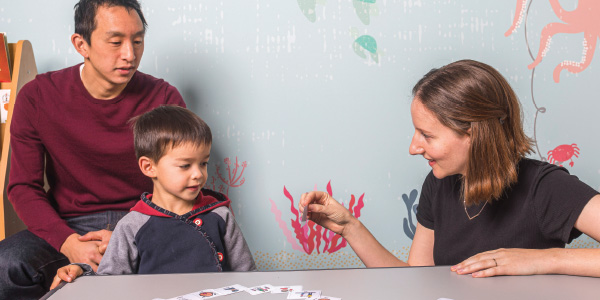
A small group program to help parents tackle anxiety in young children diagnosed with autism has found significant improvements in both children’s anxiety and parental mental health and wellbeing.
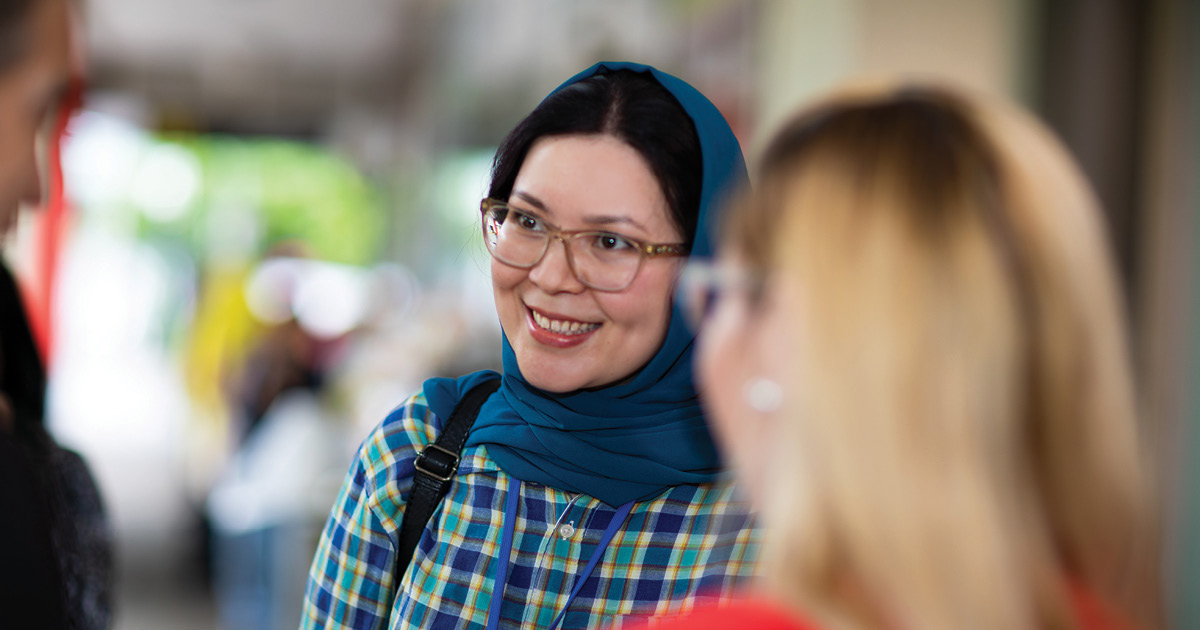
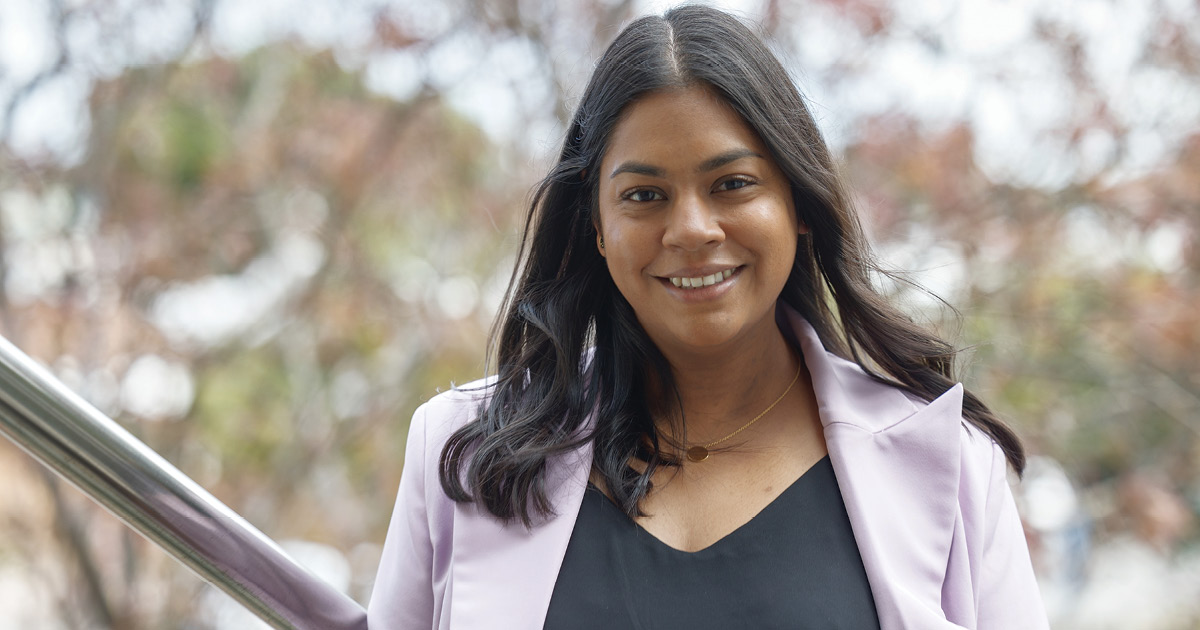
It’s a brave move to upend your entire family to seek a fresh start – or safety – in a new country: even braver when the country you’re moving to has a completely different language, structure and cultural outlook.
A long-held belief linking gut bacteria to autism has been debunked by an Australian research team that included researchers from CliniKids at The Kids Research Institute Australia.
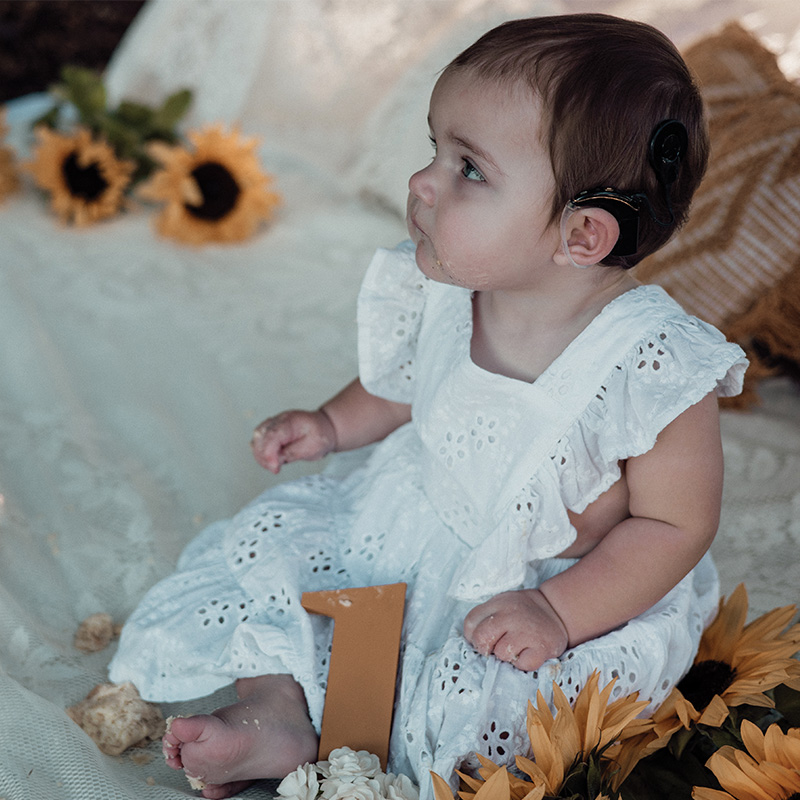
When Perth mum Lacy Swan’s daughter Charlotte failed the newborn hearing test at 3 days of age, the medical team explained it could simply be due to fluid on the ears.
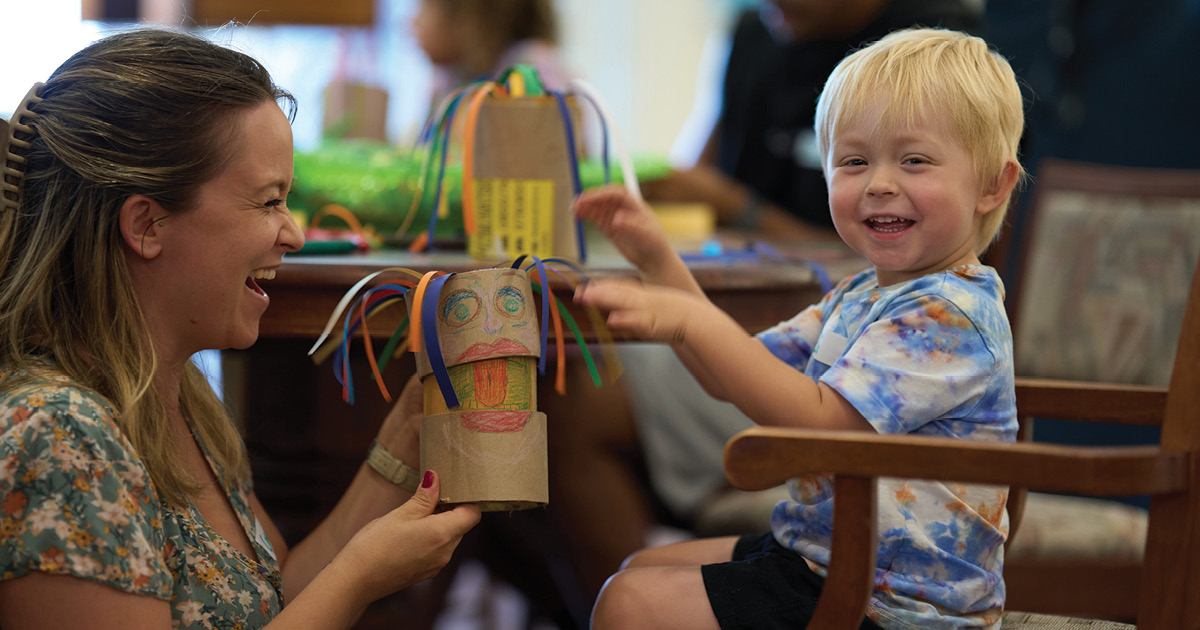
When author Maurice Sendak first sketched out the story of a rambunctious little boy sent to his room without supper, there’s no way he could have known his rollercoaster tale of childhood imagination would still be speaking to the hearts of wild young things more than six decades on.
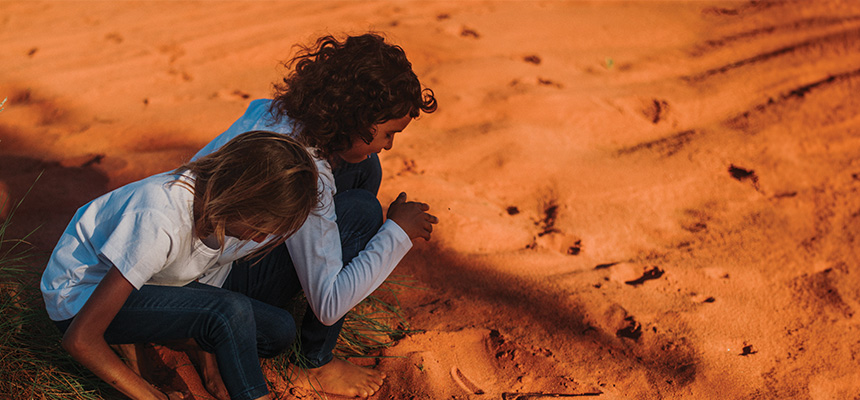
Aboriginal families and communities have endured the imposition of countless ‘solutions’ and had to live with the consequences of these ineffective initiatives. Those consequence are sadly evident in the unrelenting gap in outcomes for Aboriginal kids, compared with other Australian children.
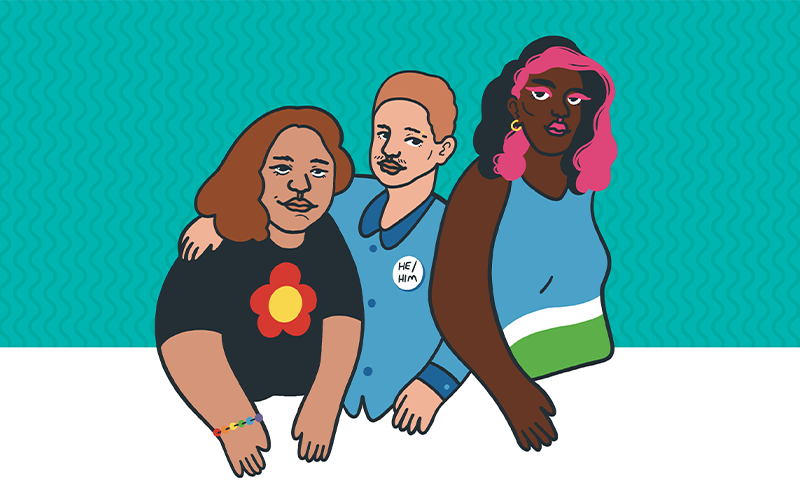
We have developed best-practice suicide prevention guidelines for health professionals and community service providers to help them create safe spaces for LGBTQA+ young people.
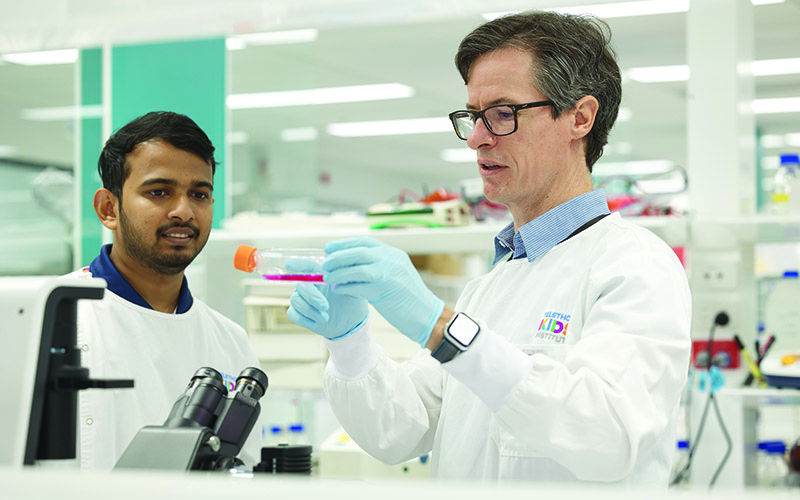
Although a staple of modern medicine, the benefits of antibiotics are waning thanks to overuse and the increasing ability of bacteria to dodge them – known as antimicrobial resistance (AMR).
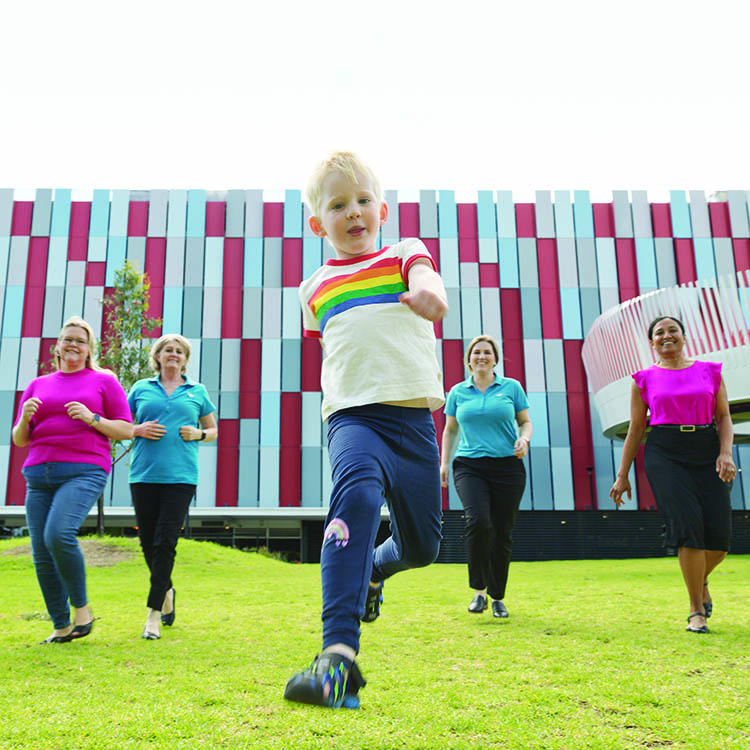
A world-first study led by Dr Aveni Haynes at The Kids’ Rio Tinto Children’s Diabetes Centre, is helping to detect early changes in blood sugar levels.