
Search
Active nasal surveillance culture (ANSC) is recognized to enable rapid detection of antibiotic-resistant bacteria in the intensive care unit (ICU), which can contribute to the prevention of Ventilator-associated pneumonia (VAP). This study aims to evaluate the usefulness of ANSC in assessing the development of VAP in ICU patients.
Early childhood wheeze is a major risk factor for asthma. However, not all children who wheeze will develop the disease. The airway epithelium has been shown to be involved in asthma pathogenesis. Despite this, the airway epithelium of children with acute wheeze remains poorly characterized.

The Respiratory Environmental Health team conducts research in early life determinants of lung growth and development, respiratory environmental health, and mechanisms of airway dysfunction in asthma and other respiratory disease.
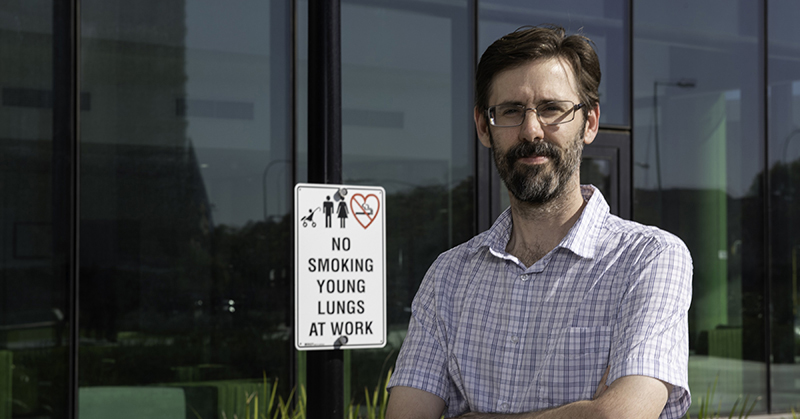
The lungs represent a key interface between the body and the environment.
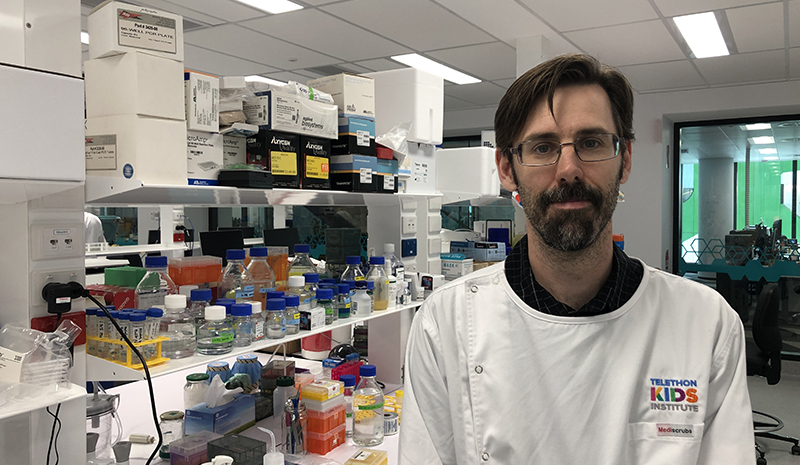
Six out of ten ‘nicotine-free’ e-cigarette liquids analysed by The Kids Research Institute Australia researchers contained nicotine as well as an acutely toxic chemical typically found in pesticides and disinfectants.
Electronic cigarettes (ECs) have been rapidly gaining ground on conventional cigarettes due to their efficiency in ceasing or reducing tobacco consumption,...
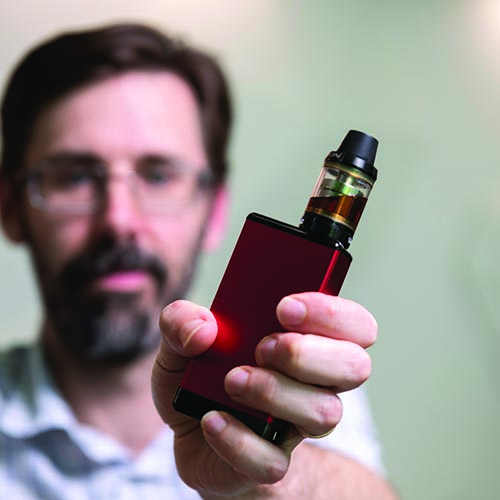
Research into the potential health impacts of vaping is starting to back up concerns that electronic cigarettes (e-cigarettes) are not as benign as many people think.
Alexander Larcombe BScEnv (Hons) PhD Honorary Research Fellow Honorary Research Fellow Associate Professor Alexander Larcombe began work at The Kids
Alexander Larcombe BScEnv (Hons) PhD Honorary Research Fellow Honorary Research Fellow Associate Professor Alexander Larcombe began work at The Kids
This project will use computational methods to assess the deposition of e-cigarette aerosols in the lungs, and the distribution of chemicals within e-cigarette aerosols throughout the body.