
Search
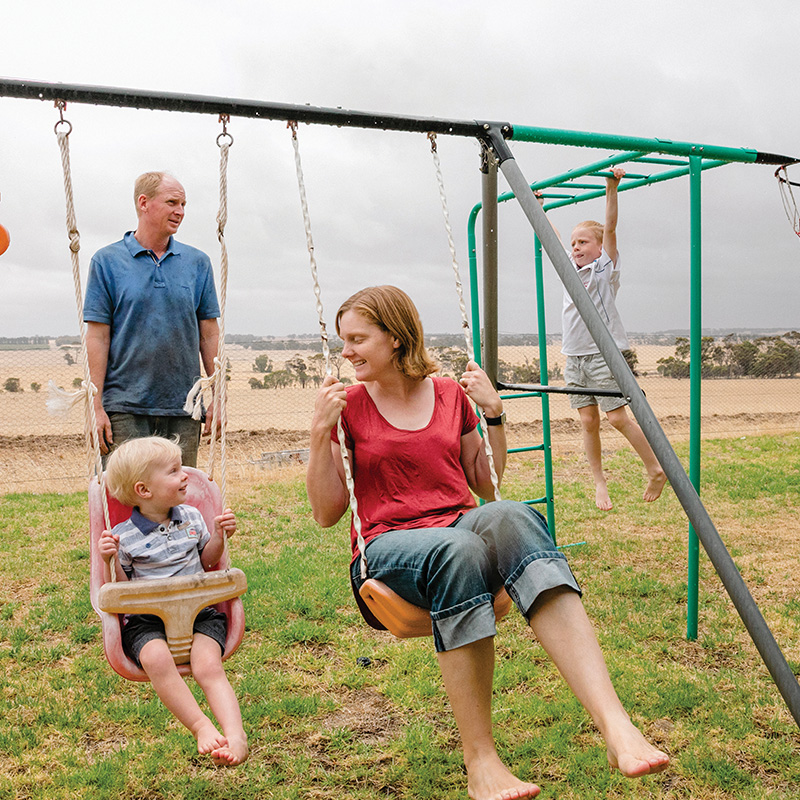
Communities in the Central Great Southern region have known for years that dental health is a major issue for the smallest residents of their towns.
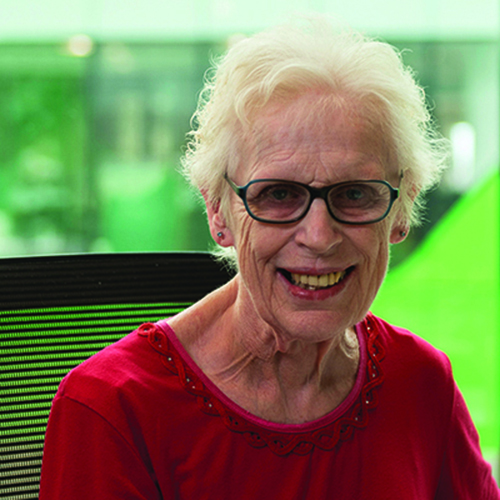
The Kids Research Institute Australia disability researcher, Associate Professor Helen Leonard, played an important role in the identification of the differences that define CDD, thanks to her extensive experience researching Rett syndrome and running an Australian online database tracking Rett cases.
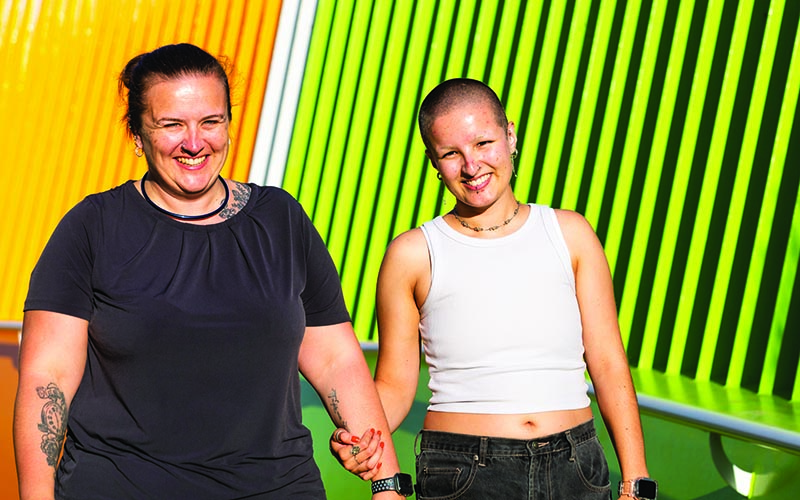
A new website for parents of trans children and young people across Australia is expected to improve family wellbeing and ultimately save lives after launching in May 2023.

The Walkern Katatdjin (Rainbow Knowledge) project has produced a suite of resources to help services become more inclusive.
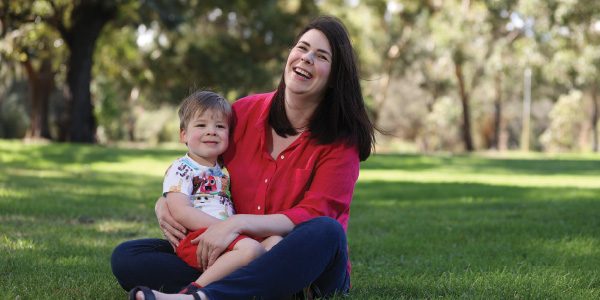
Amy Bertinshaw had a choice between ‘wait and see’ or seek help when she noticed her son Stirling was slower to meet developmental milestones at age 12 months.
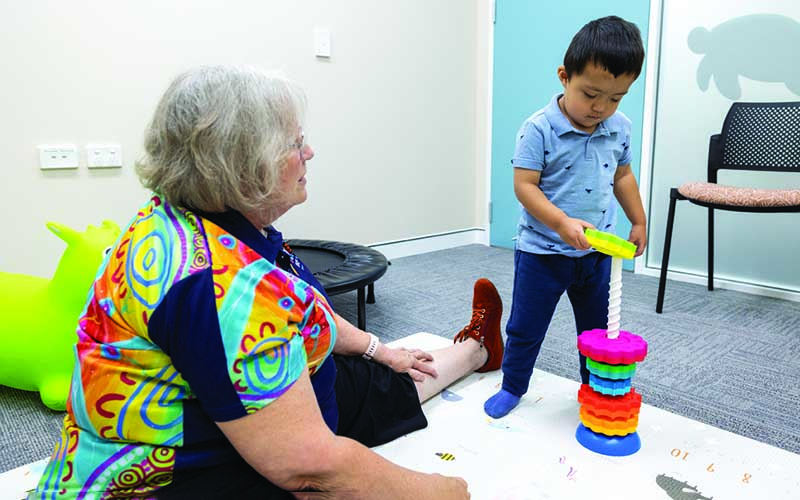
Discover how this family is benefitting from CliniKids' evidence-based therapies.
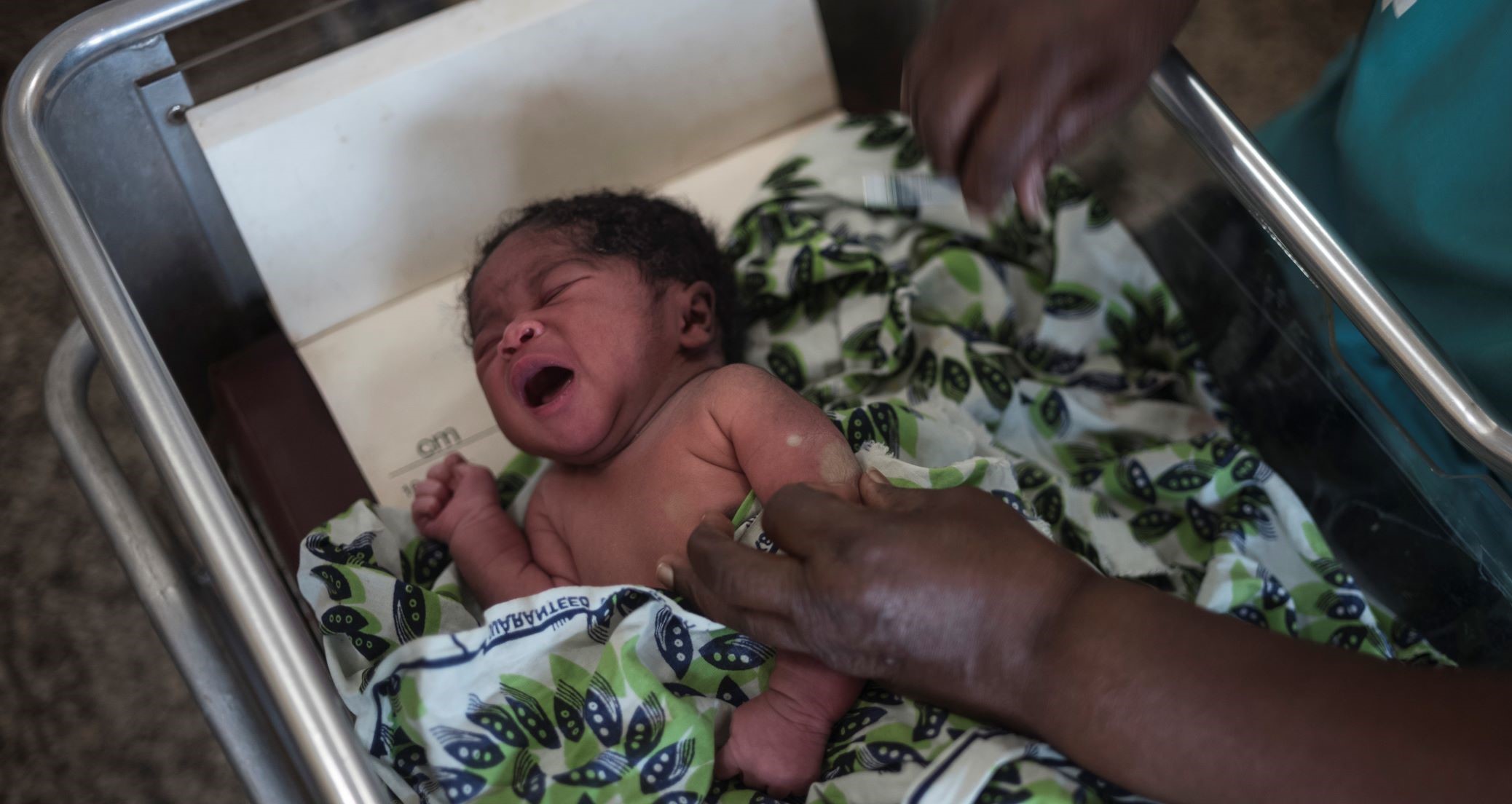
The veteran tuberculosis vaccine BCG has puzzled scientists for decades. Now, The Kids researchers have not only unlocked part of the secret to its success in saving the lives of newborns, but they’re at the forefront of global efforts to test its ability to fight COVID-19.
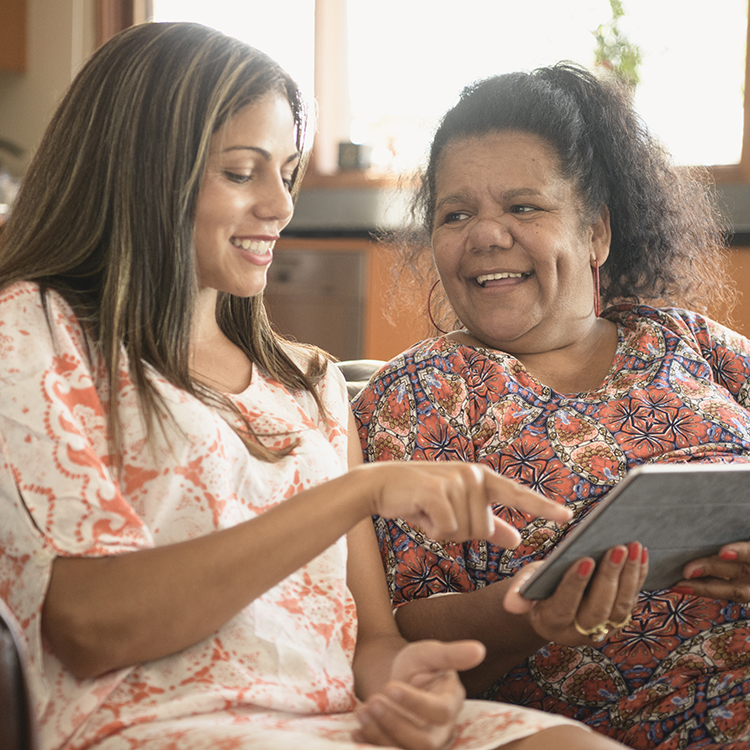
A number of organisations have created COVID-19 resources specifically developed for Aboriginal and Torres Strait Islander people.
A non-progressive motor disability due to damage of the developing brain, this is the most common physical disability in childhood. Affecting about one in 500 babies, it is frequently accompanied by other neurological impairments, such as intellectual or sensory.
The aim of RESP-ACT is to reduce these children’s respiratory hospital admissions and visits to Emergency Department, and to help them and their families to have as the best possible quality of life.